
The Unluckiest Year: 11 Popular Cars from 2018-2022 That Are Already Being Blacklisted
In an era where technology and innovation drive the automotive industry towards unprecedented heights, a peculiar trend has emerged—certain cars released between 2018 and 2022 are already being blacklisted. These vehicles, initially hailed for their cutting-edge features and sleek designs, have ironically become symbols of misfortune for their manufacturers and owners. This article delves into the reasons behind this phenomenon, exploring the various factors that have led to these cars being deemed 'unlucky'. From mechanical failures to market misjudgments, we unravel the complexities behind this automotive conundrum.
The Rise and Fall of the Ford EcoSport
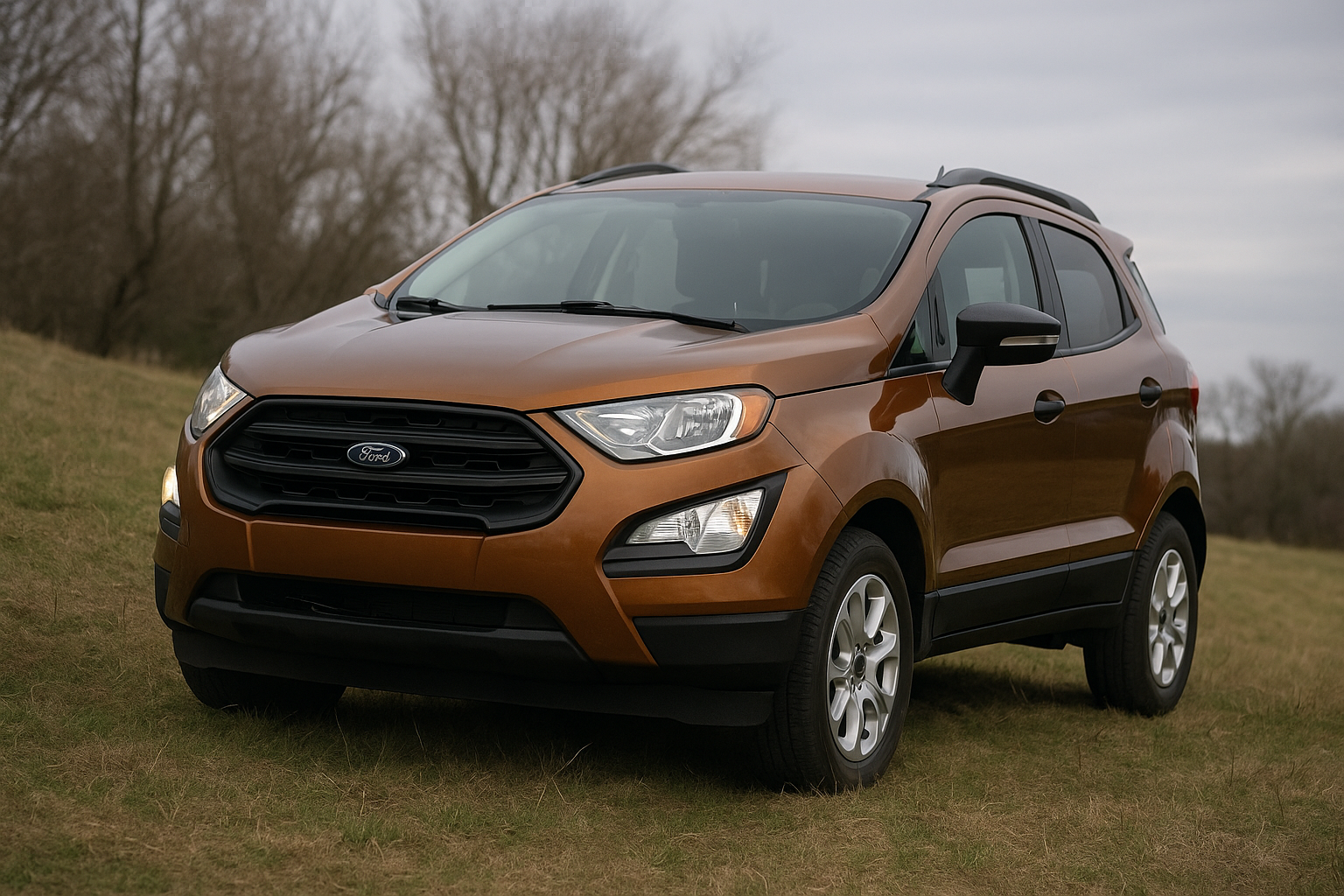
The Ford EcoSport, once a promising contender in the subcompact SUV market, quickly fell out of favor due to a series of missteps. Initially praised for its compact design and affordability, the EcoSport struggled with reliability issues. Owners reported frequent transmission failures and electrical problems, leading to costly repairs and a tarnished reputation. The car's underwhelming performance in crash tests further dented consumer confidence. As competitors introduced more reliable alternatives, the EcoSport's sales plummeted, and it became a textbook example of how initial promise can quickly turn into a cautionary tale in the automotive world.
The Tesla Model 3: Overpromised, Under-delivered
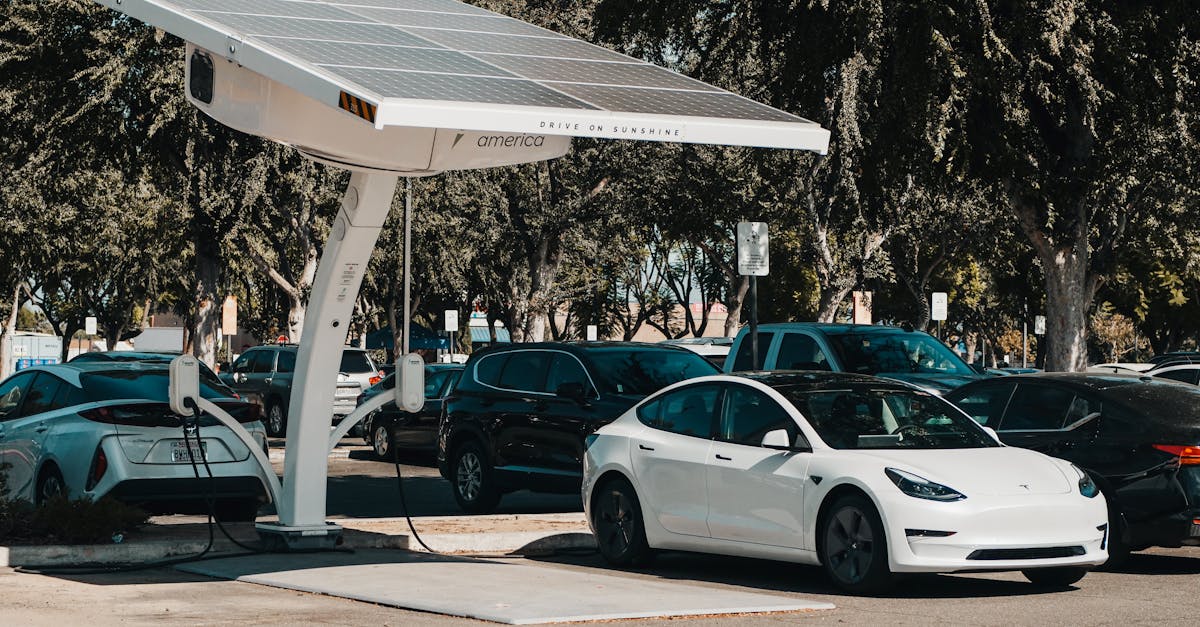
Tesla's Model 3 was heralded as the electric vehicle that would revolutionize the industry, but its journey has been far from smooth. Production delays plagued its launch, frustrating eager customers and damaging Tesla's credibility. Quality control issues, such as inconsistent panel gaps and software glitches, further marred its reputation. While Tesla's innovative technology and eco-friendly appeal attracted a loyal following, the Model 3's shortcomings highlighted the challenges of balancing rapid innovation with reliable manufacturing. Despite its advancements, the Model 3's rocky start serves as a reminder of the pitfalls of overpromising and under-delivering.
Chevrolet Bolt EV: A Battery-Fueled Crisis
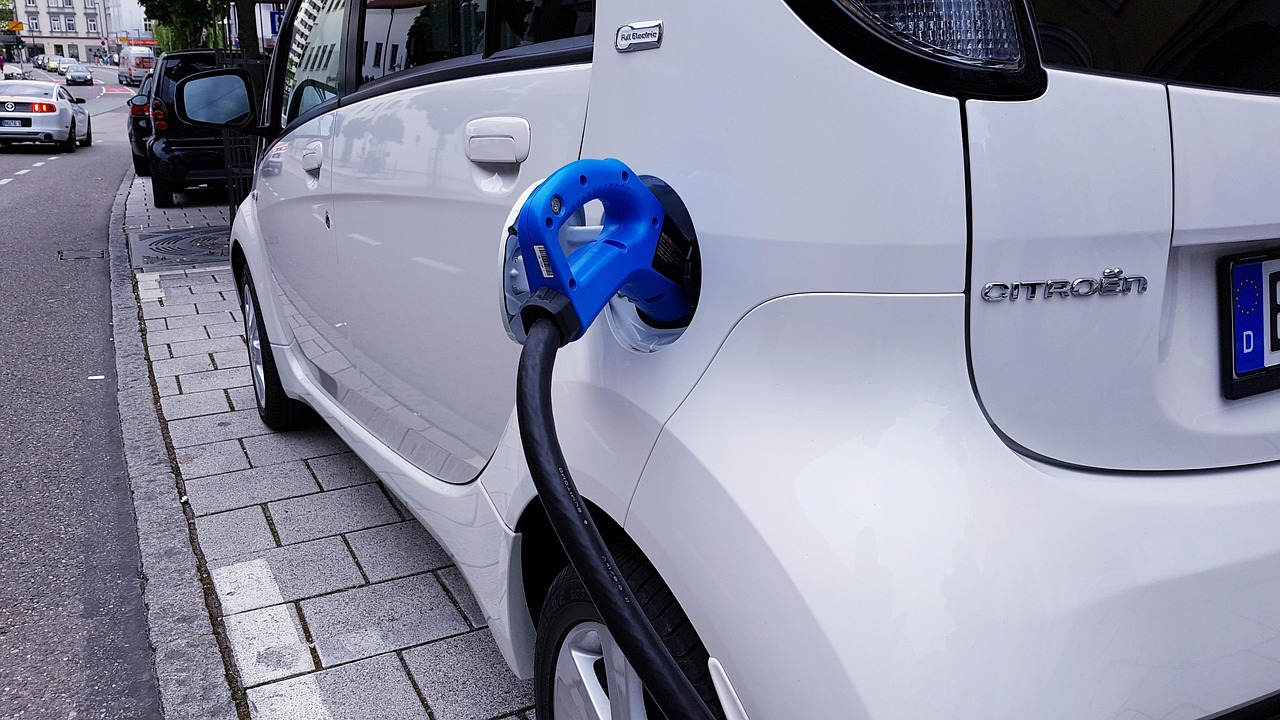
The Chevrolet Bolt EV was General Motors' ambitious entry into the electric vehicle market, but it soon faced a significant setback. Reports of battery fires led to a massive recall, with GM advising owners to park their cars outside and away from structures. This crisis not only undermined consumer trust but also highlighted the risks associated with emerging technologies. The costly recall and repair process strained GM's resources and overshadowed the Bolt's environmental benefits. The Bolt EV's journey underscores the importance of rigorous testing and quality assurance in the development of new automotive technologies.
The Jeep Cherokee's Transmission Troubles
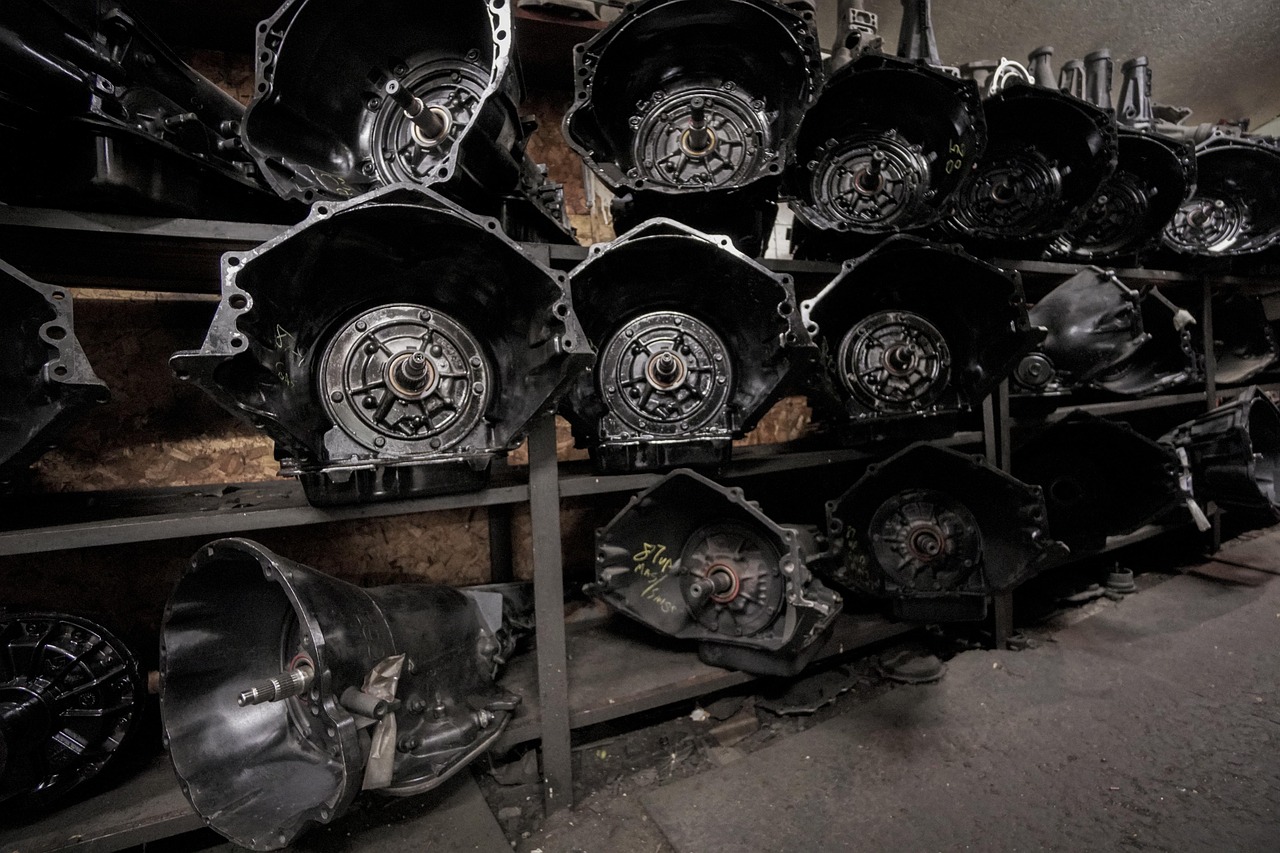
Jeep's Cherokee, a staple in the SUV category, encountered severe transmission issues in its 2018-2022 models. Owners reported sudden shifts, stalling, and complete transmission failures, leading to numerous complaints and warranty claims. The problematic nine-speed automatic transmission became a focal point of criticism, overshadowing the vehicle's off-road capabilities and rugged appeal. Jeep's attempts to address these issues through software updates and recalls were met with mixed results, further damaging the brand's reputation. The Cherokee's transmission woes illustrate the critical role of reliable engineering in maintaining customer loyalty and brand integrity.
Nissan Altima: A Victim of Market Misjudgment
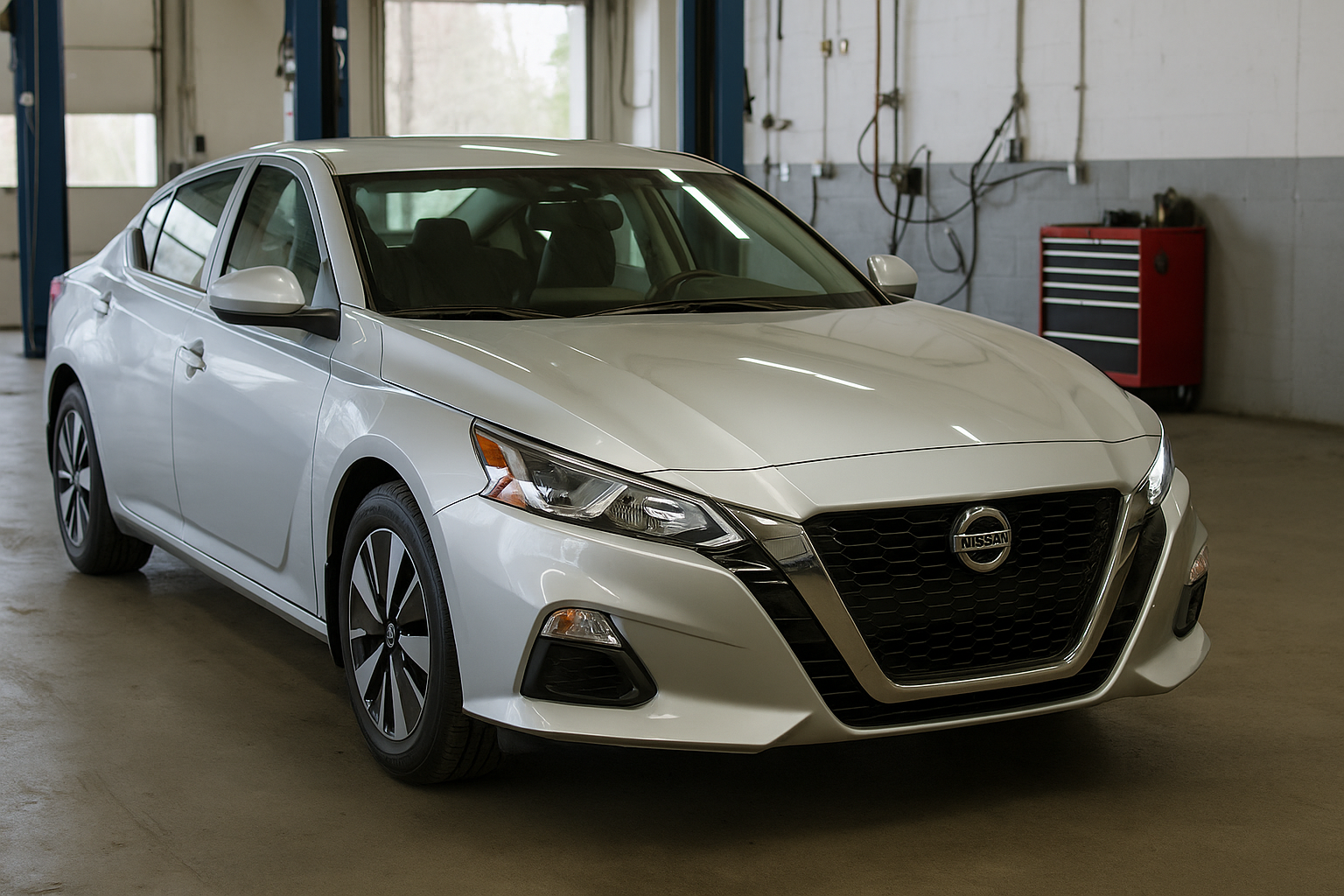
The Nissan Altima, once a popular choice among midsize sedans, struggled to maintain its market position amidst shifting consumer preferences. As buyers gravitated towards SUVs and crossovers, the Altima's sales dwindled. Additionally, the introduction of an all-wheel-drive option and advanced safety features failed to resonate with potential buyers, who were increasingly drawn to more versatile vehicle types. Nissan's inability to anticipate and adapt to these market changes left the Altima lagging behind its competitors. This misjudgment serves as a cautionary tale about the importance of market research and adaptability in the automotive industry.
BMW X2: Style Over Substance
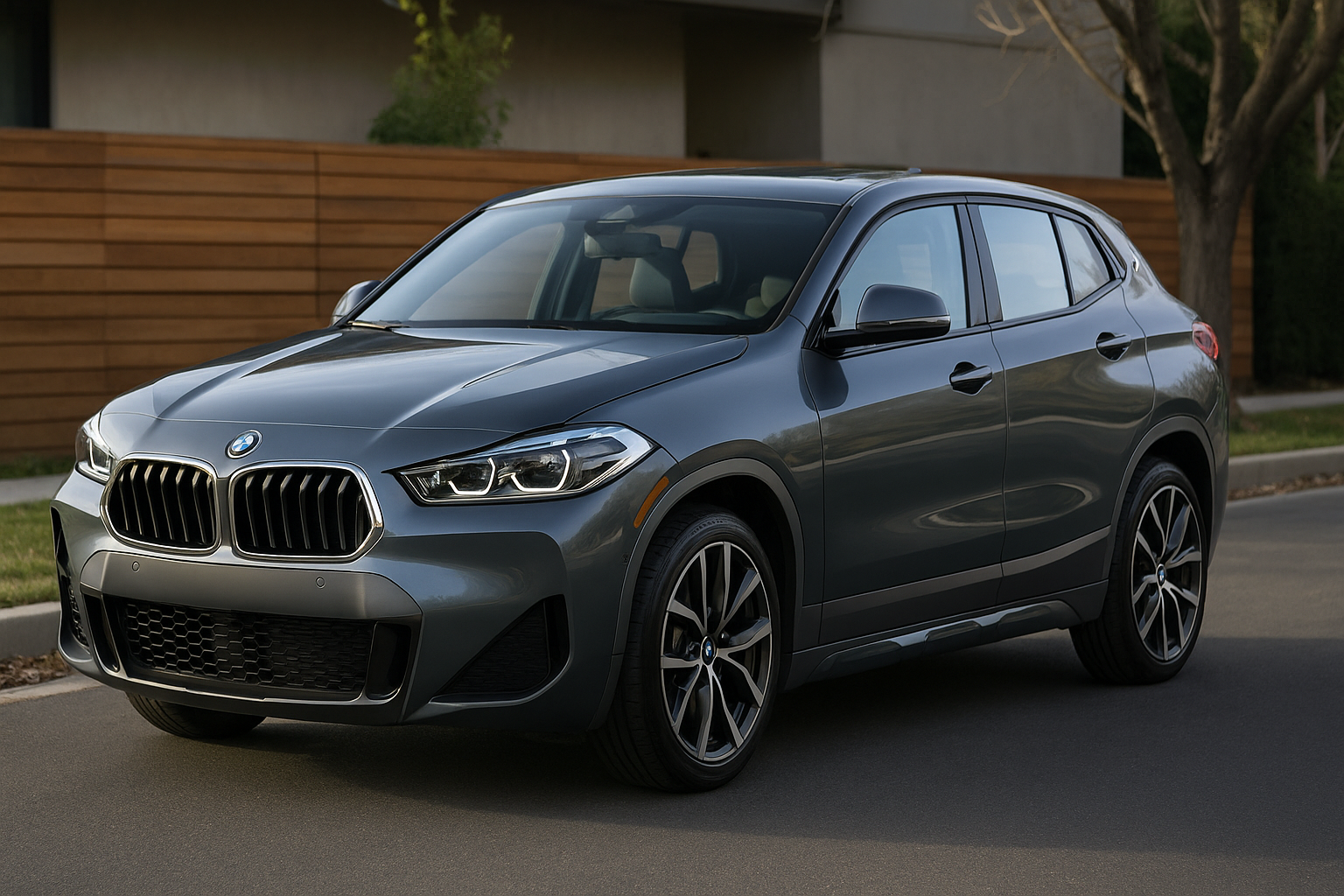
The BMW X2 was marketed as a stylish, sporty crossover, aiming to attract younger buyers with its bold design and dynamic performance. However, it quickly became evident that the X2 prioritized aesthetics over practicality. The cramped interior, limited cargo space, and harsh ride quality disappointed many owners who expected more from a premium brand. Additionally, the X2's high price point and lack of distinctive features made it a tough sell in a competitive market. BMW's focus on style at the expense of functionality highlights the delicate balance between form and function in automotive design.
Hyundai Kona Electric: Range Anxiety Realized
The Hyundai Kona Electric initially received praise for its impressive range and affordability, positioning it as a strong contender in the electric vehicle market. However, real-world performance often fell short of expectations, with many owners experiencing significant range discrepancies. This inconsistency, coupled with a limited charging infrastructure, fueled range anxiety among drivers. Hyundai's efforts to address these concerns through software updates and battery replacements were only partially successful. The Kona Electric's challenges underscore the importance of delivering on performance promises, especially in the rapidly evolving electric vehicle sector.
The Volkswagen Atlas: Size Doesn’t Always Matter

Volkswagen's Atlas was introduced as a spacious, family-friendly SUV designed to compete in the American market. Despite its generous interior and advanced safety features, the Atlas faced criticism for its underpowered engine options and subpar fuel efficiency. Owners also reported issues with the vehicle's infotainment system and build quality, leading to dissatisfaction among consumers. The Atlas's struggles highlight the complexities of meeting diverse consumer needs and the dangers of relying solely on size and space as selling points in a competitive market.
Audi Q5: A Premium Brand’s Reliability Dilemma
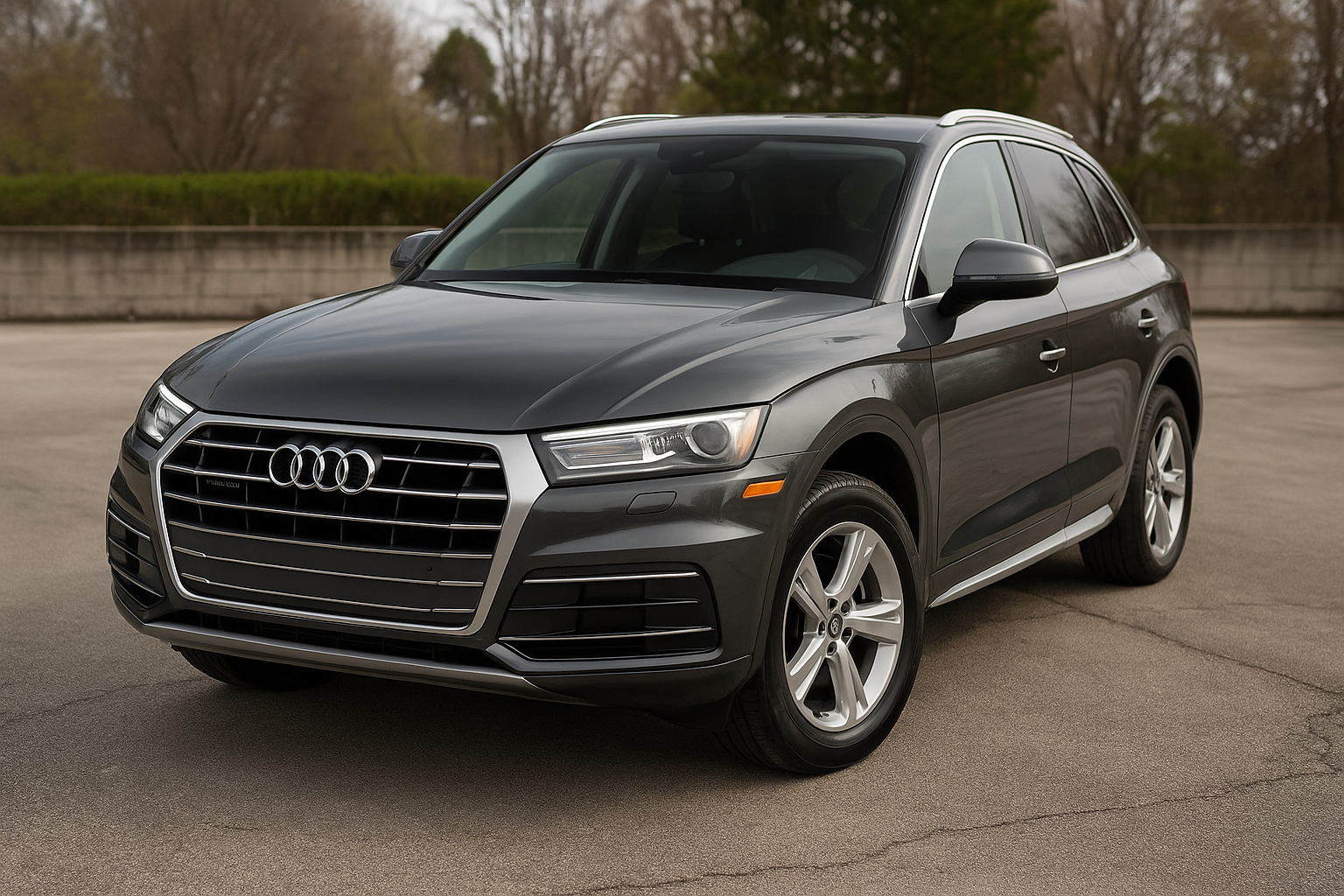
Audi's Q5, a luxury compact SUV, faced unexpected reliability issues that tarnished its reputation. Owners reported problems with the vehicle's electrical system, suspension, and engine, leading to costly repairs and frequent visits to the dealership. These issues contradicted Audi's image as a premium, reliable brand, causing frustration among loyal customers. The Q5's reliability challenges emphasize the importance of maintaining high standards across all aspects of vehicle production, particularly for brands that market themselves on quality and luxury.
Honda Passport: The Lost Identity
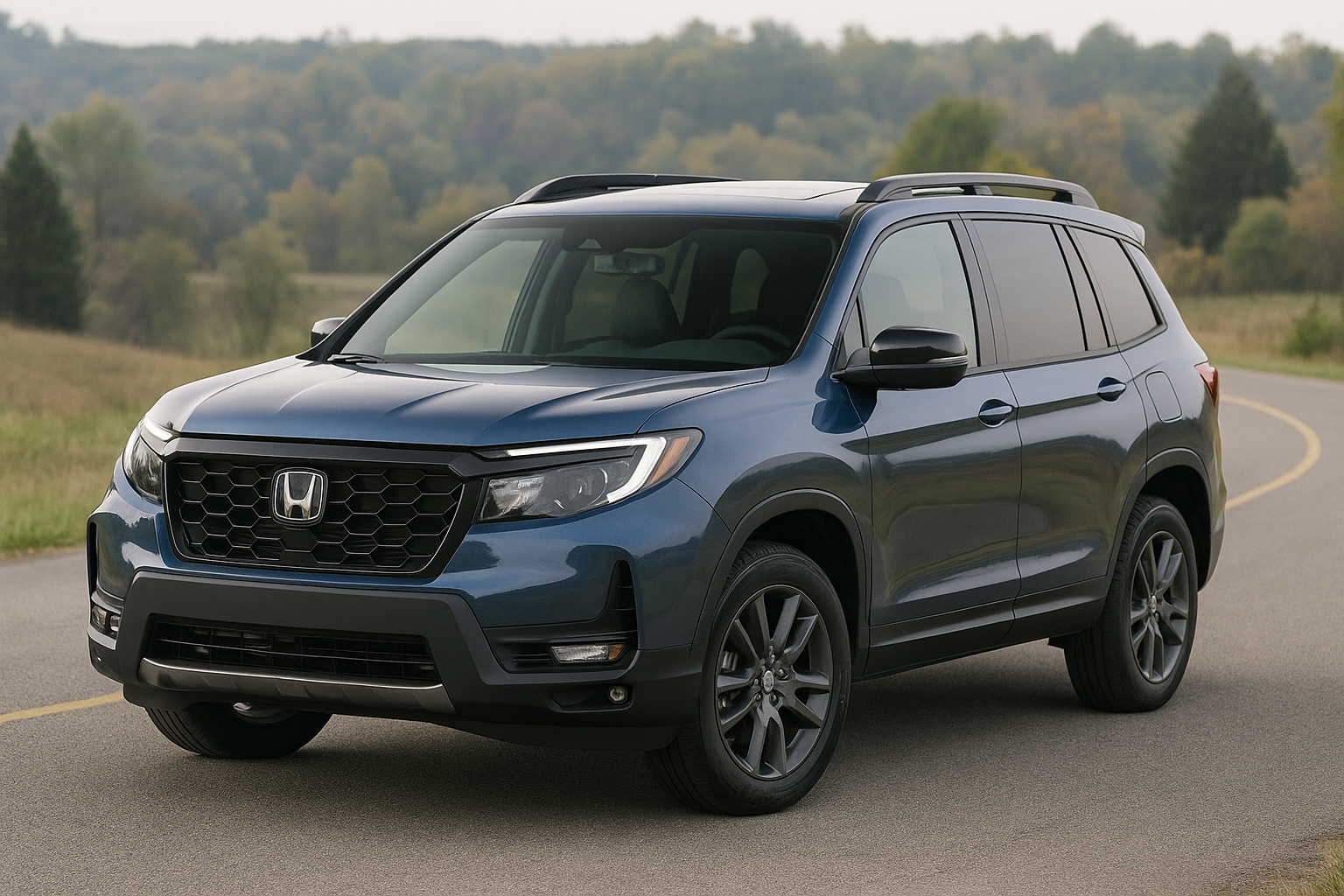
The Honda Passport was reintroduced to the market with the intention of capturing the adventurous spirit of its predecessors. However, the new Passport struggled to carve out a distinct identity, positioned awkwardly between the smaller CR-V and the larger Pilot. Its lack of unique features and off-road capabilities left potential buyers unimpressed, resulting in lackluster sales. Honda's misstep with the Passport illustrates the critical need for clear market positioning and differentiation, especially in a crowded SUV segment.
Mazda CX-3: The Subcompact Struggle

Mazda's CX-3 aimed to capture the growing subcompact crossover market with its stylish design and engaging driving dynamics. However, it quickly became apparent that the CX-3's cramped interior and limited cargo space hindered its appeal. As competitors offered more spacious and practical alternatives, the CX-3 struggled to maintain its footing. Mazda's experience with the CX-3 highlights the challenges of balancing style with practicality, particularly in a segment where versatility is highly valued by consumers.
Lessons from the Unluckiest Year

The stories of these eleven cars serve as a poignant reminder of the challenges and risks inherent in the automotive industry. From technological failures to market misjudgments, each vehicle's journey offers valuable insights into the complexities of car manufacturing and marketing. As automakers strive to innovate and meet evolving consumer demands, they must remain vigilant in addressing potential pitfalls. The unluckiest year for these vehicles underscores the importance of thorough research, reliable engineering, and strategic market positioning in achieving long-term success in the automotive world.