
8 Car Maintenance Myths Mechanics Wish You'd Stop Believing
In the world of car maintenance, myths abound, often leading drivers to make decisions that could do more harm than good. These misconceptions are not just harmless misunderstandings; they can result in unnecessary expenses and even compromise vehicle safety. Mechanics, who frequently encounter these myths, often wish drivers were better informed. Understanding the truth behind these myths can empower car owners to make better maintenance choices, extend the life of their vehicles, and save money. This article will explore eight prevalent car maintenance myths, separating fact from fiction, and offering insights that every car owner should know.
Myth 1: Premium Fuel is Always Better for Your Car

Many drivers believe that using premium fuel will enhance their car's performance or longevity, regardless of what the manufacturer recommends. This myth persists despite the fact that most vehicles are engineered to run efficiently on regular unleaded gasoline. Premium fuel is only beneficial for high-performance engines specifically designed to handle higher octane levels. For the average vehicle, using premium fuel offers no tangible benefits and only results in unnecessary costs. Mechanics advise adhering to the manufacturer's fuel recommendations found in the owner’s manual to ensure optimal engine performance and fuel efficiency.
Myth 2: Engine Oil Should Be Changed Every 3,000 Miles
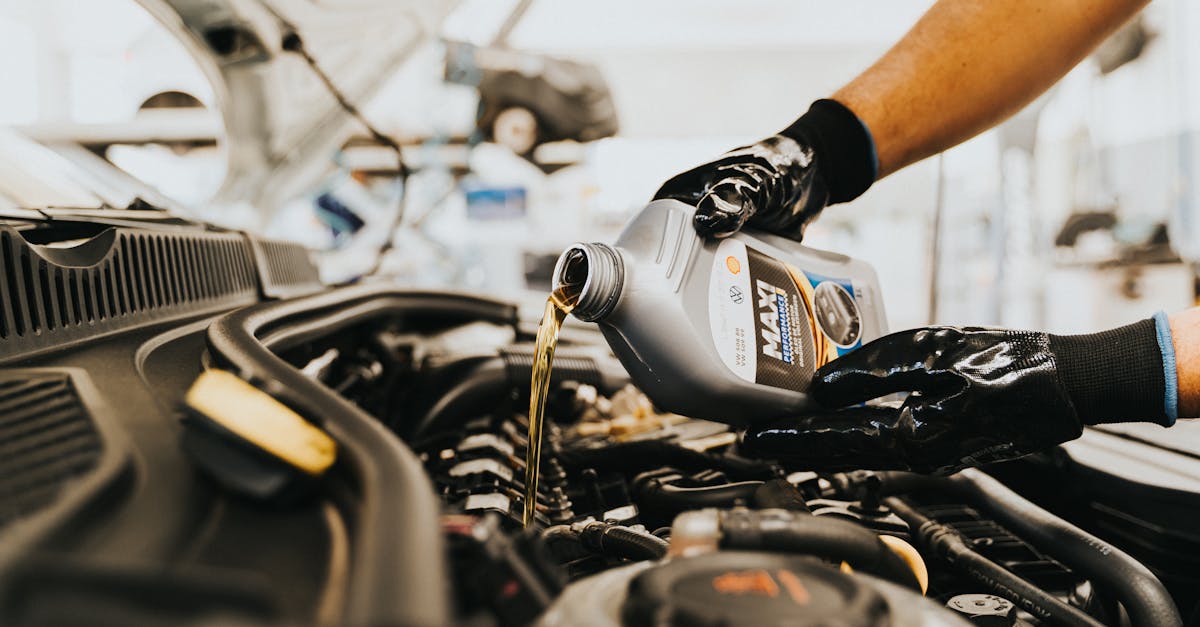
The notion that engine oil must be changed every 3,000 miles is a relic from the past. Modern engines and advances in oil technology have extended oil change intervals significantly. Many vehicles now require oil changes every 5,000 to 10,000 miles, depending on the make and model. Mechanics emphasize the importance of consulting the vehicle’s owner manual or a trusted mechanic to determine the appropriate oil change schedule. Sticking to outdated practices not only wastes resources but also contributes to environmental pollution. By understanding your vehicle's specific needs, you can maintain optimal engine health without unnecessary oil changes.
Myth 3: You Should Warm Up Your Car Before Driving
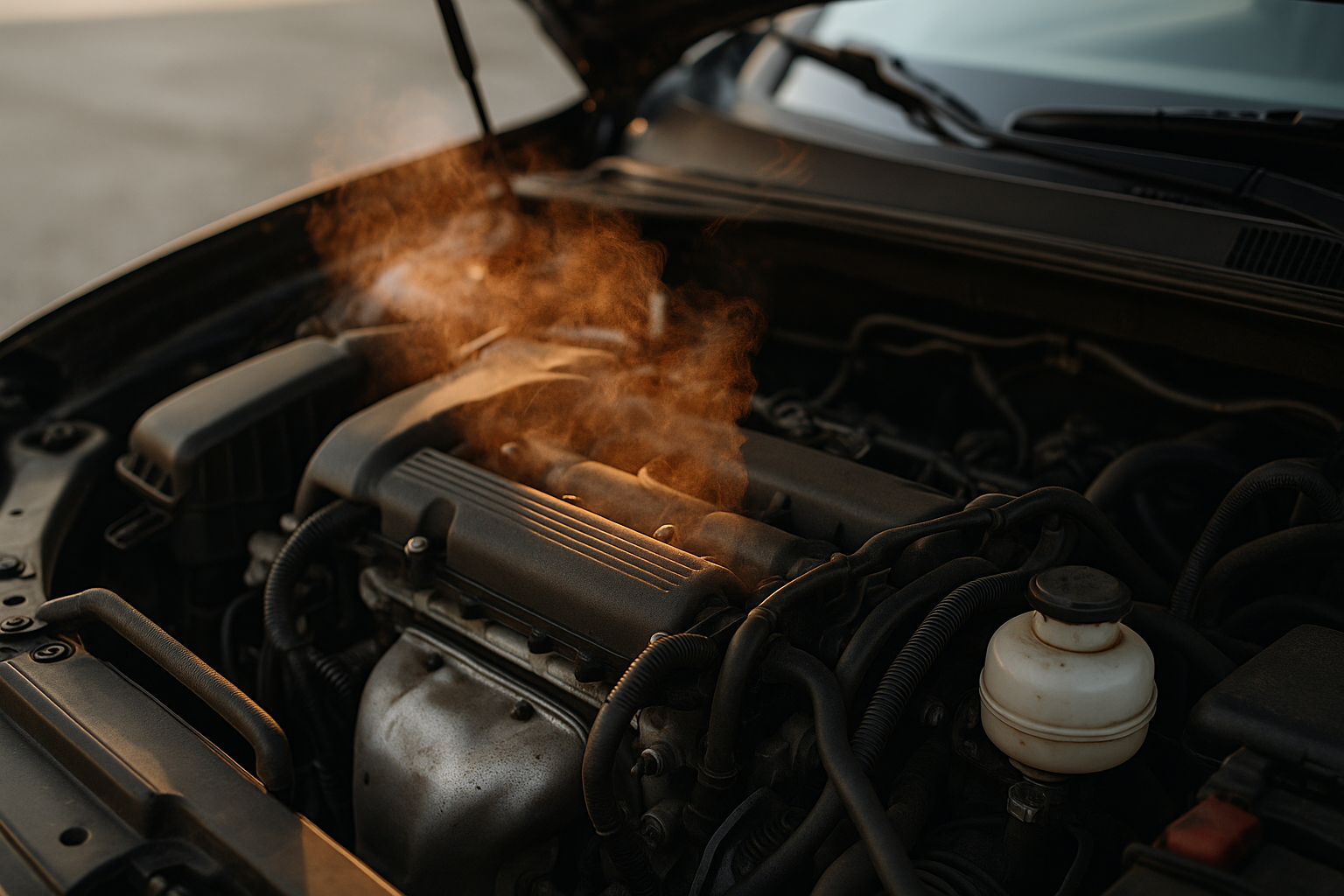
A common belief is that cars need to be warmed up before driving, especially in cold weather. While this may have been true for older vehicles with carbureted engines, modern cars are equipped with fuel injection systems that make this practice unnecessary. Idling your car for extended periods wastes fuel and increases emissions. Instead, mechanics recommend driving gently for the first few minutes to allow the engine to reach its optimal operating temperature. This approach is more efficient and environmentally friendly, ensuring that your vehicle performs well without the need for prolonged idling.
Myth 4: A Battery's Life Can Be Judged by Its Appearance

Some drivers mistakenly believe that a car battery's lifespan can be determined by its physical appearance. However, a battery can look perfectly fine while being close to failing. The only reliable way to assess a battery's health is through regular testing with appropriate equipment. Mechanics recommend having your battery checked annually, especially before winter when cold weather can strain the battery. Proactive testing can prevent unexpected breakdowns and ensure that your vehicle remains reliable. By relying on professional assessments rather than visual inspections, you can avoid being caught off guard by a failing battery.
Myth 5: Air Filters Need Replacing Every Oil Change
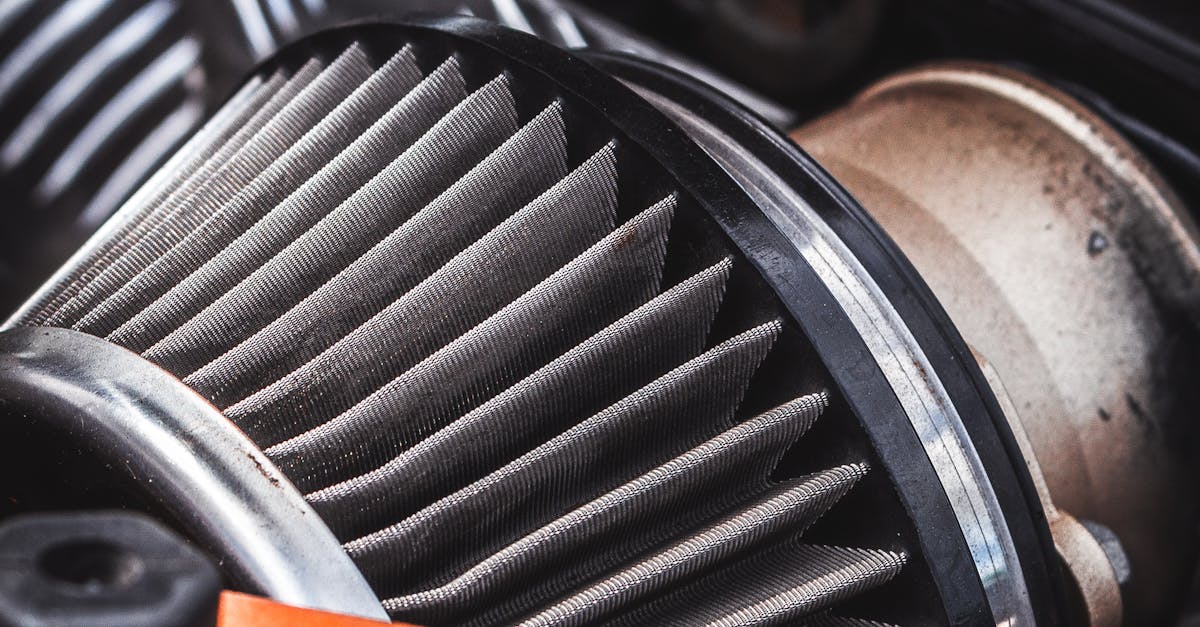
The idea that air filters must be replaced at every oil change is another myth that leads to unnecessary expenses. While a clean air filter is vital for engine performance, its lifespan varies based on driving conditions and environments. Mechanics suggest checking the air filter during each oil change but replacing it only when it shows signs of dirt and wear. In dusty or polluted areas, more frequent changes may be necessary. However, in cleaner environments, air filters can last much longer. By evaluating the condition of the air filter rather than adhering to a fixed schedule, car owners can maintain engine efficiency without overspending.
Myth 6: Brake Fluid Never Needs Changing
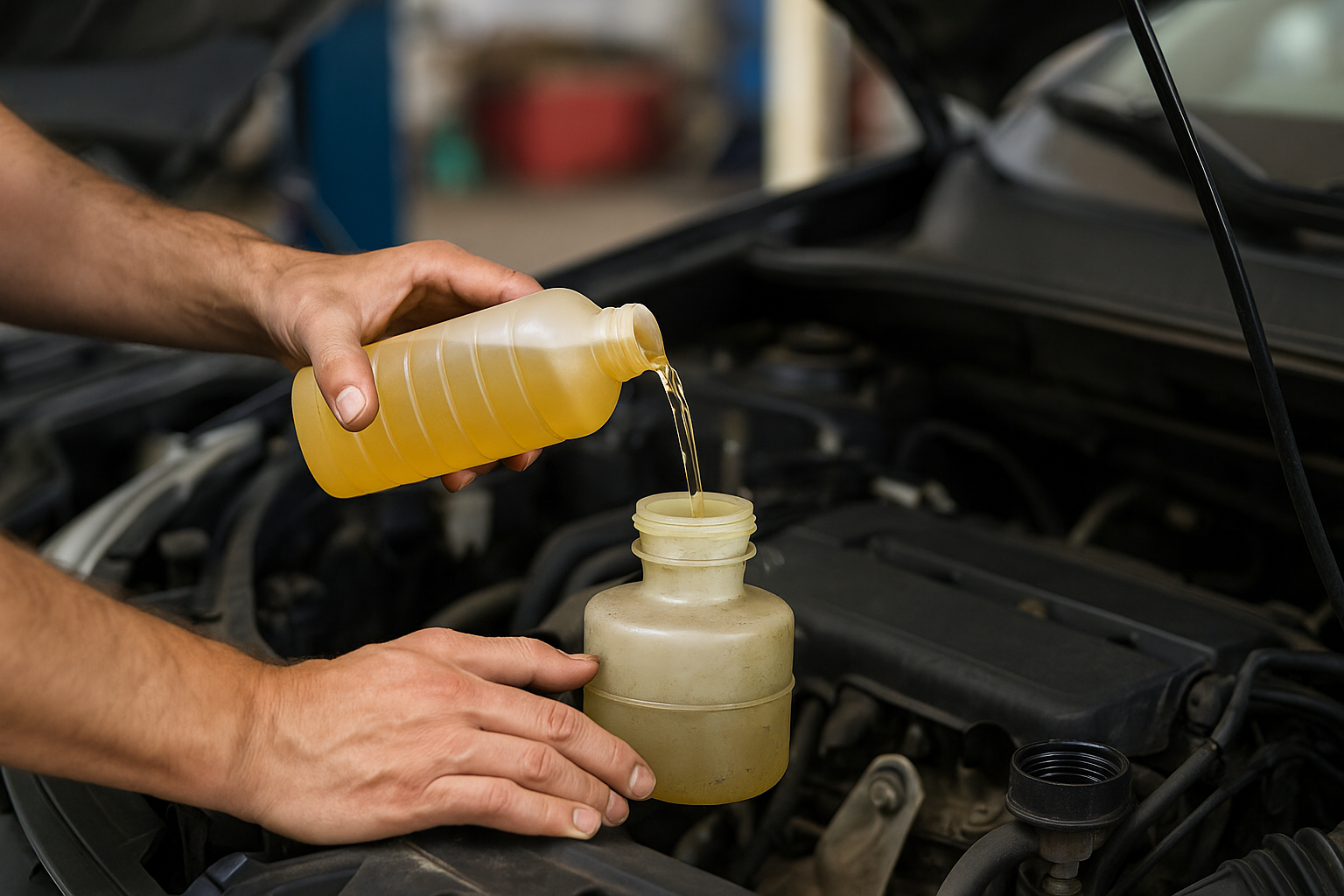
Brake fluid is often overlooked in vehicle maintenance, with some drivers believing it never needs to be changed. In reality, brake fluid absorbs moisture over time, which can lead to corrosion and reduced braking efficiency. Mechanics recommend changing brake fluid every two to three years or as specified by the vehicle manufacturer. Regularly checking and replacing brake fluid is crucial for maintaining the safety and reliability of the braking system. By dispelling this myth, drivers can ensure their vehicles are equipped with a responsive braking system, enhancing safety for themselves and others on the road.
Myth 7: All Tires Are Created Equal
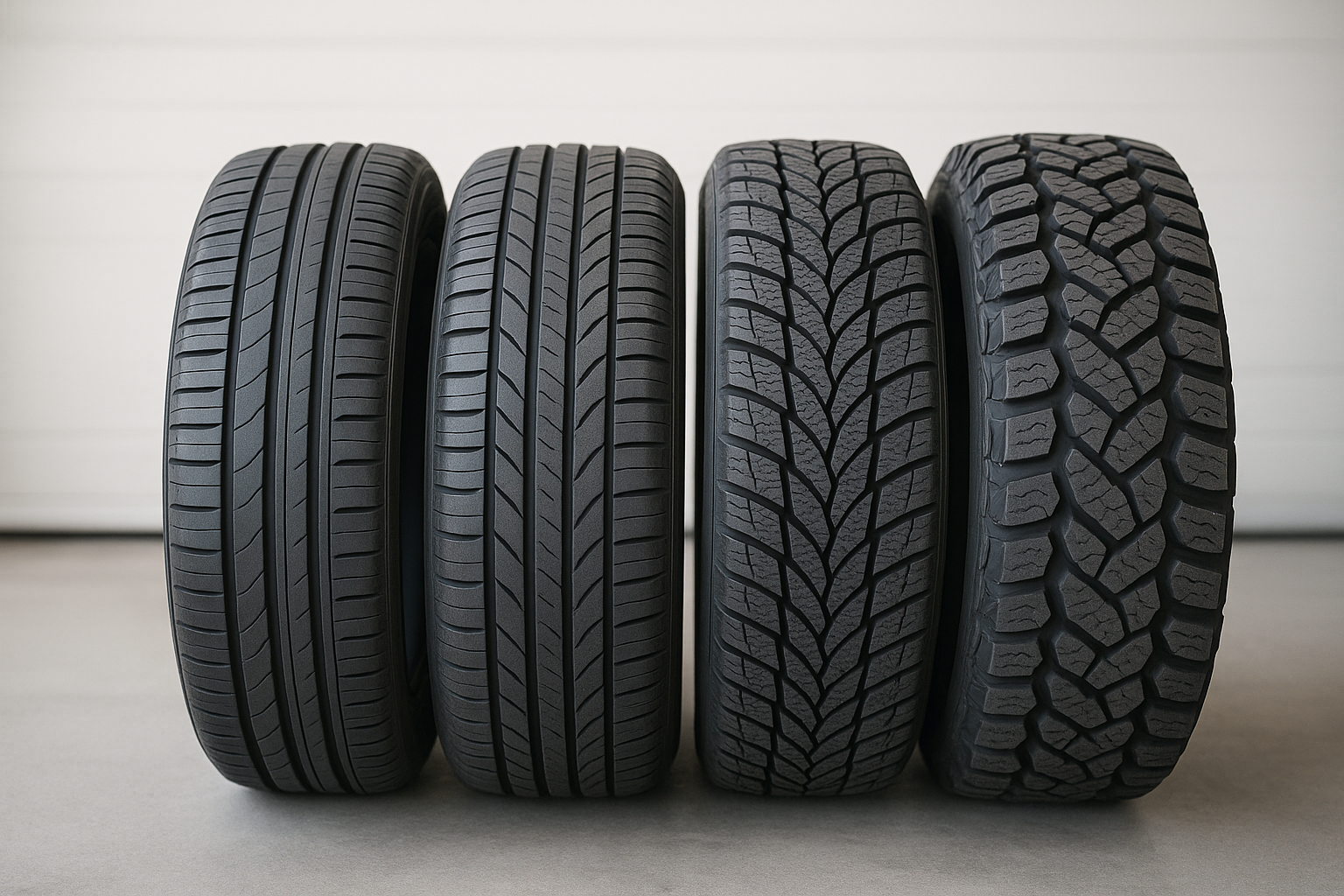
A pervasive myth in car maintenance is that all tires are the same, leading some drivers to choose tires based solely on price. However, tire quality varies significantly, and selecting the right tires is essential for safety, performance, and fuel efficiency. Factors such as tread pattern, rubber composition, and intended use (e.g., all-season vs. performance tires) play a critical role in tire performance. Mechanics advise consulting with tire professionals to select the best tires for your specific vehicle and driving conditions. Investing in high-quality tires can improve handling, reduce stopping distances, and enhance overall driving comfort.
Myth 8: DIY Fixes Are Just as Good as Professional Repairs

With the abundance of online tutorials, some car owners believe that do-it-yourself (DIY) repairs are equivalent to professional services. While DIY fixes can be cost-effective for minor issues, they often lack the precision and expertise offered by professional mechanics. Incorrect repairs can lead to further damage and safety hazards. Mechanics possess the training, tools, and experience necessary to diagnose and fix issues accurately. For complex repairs, entrusting your vehicle to a professional ensures the job is done correctly, preserving the vehicle's integrity and safety. Understanding the limits of DIY repairs can prevent costly mistakes and maintain the vehicle's performance.
Empowering Car Owners with Knowledge

Debunking these common car maintenance myths is more than just about saving money—it's about empowering car owners with the knowledge to make informed decisions. By understanding the truth behind these myths, drivers can maintain their vehicles more effectively, ensuring safety, reliability, and longevity. Mechanics, who are often on the front lines of these misconceptions, play a crucial role in educating drivers and advocating for best practices. As car owners become more informed, they can avoid unnecessary expenses and contribute to a more sustainable and efficient approach to vehicle maintenance.