
The Octane Deception: Why Premium Gas Is a Total Waste of Money for These 9 Popular Cars
For decades, car owners have been led to believe that using premium gas is essential for optimal performance, especially for high-end or newer models. The perception is that premium fuel, with its higher octane rating, provides superior power and efficiency. However, this is often not the case for many popular car models on the road today. This article delves into the myth of premium gasoline, exploring why it is often an unnecessary expense for certain vehicles. We will examine nine popular car models that do not benefit from premium gas, uncovering the reasons behind this widespread misconception and offering insights into how drivers can make more informed fuel choices.
Understanding Octane Ratings
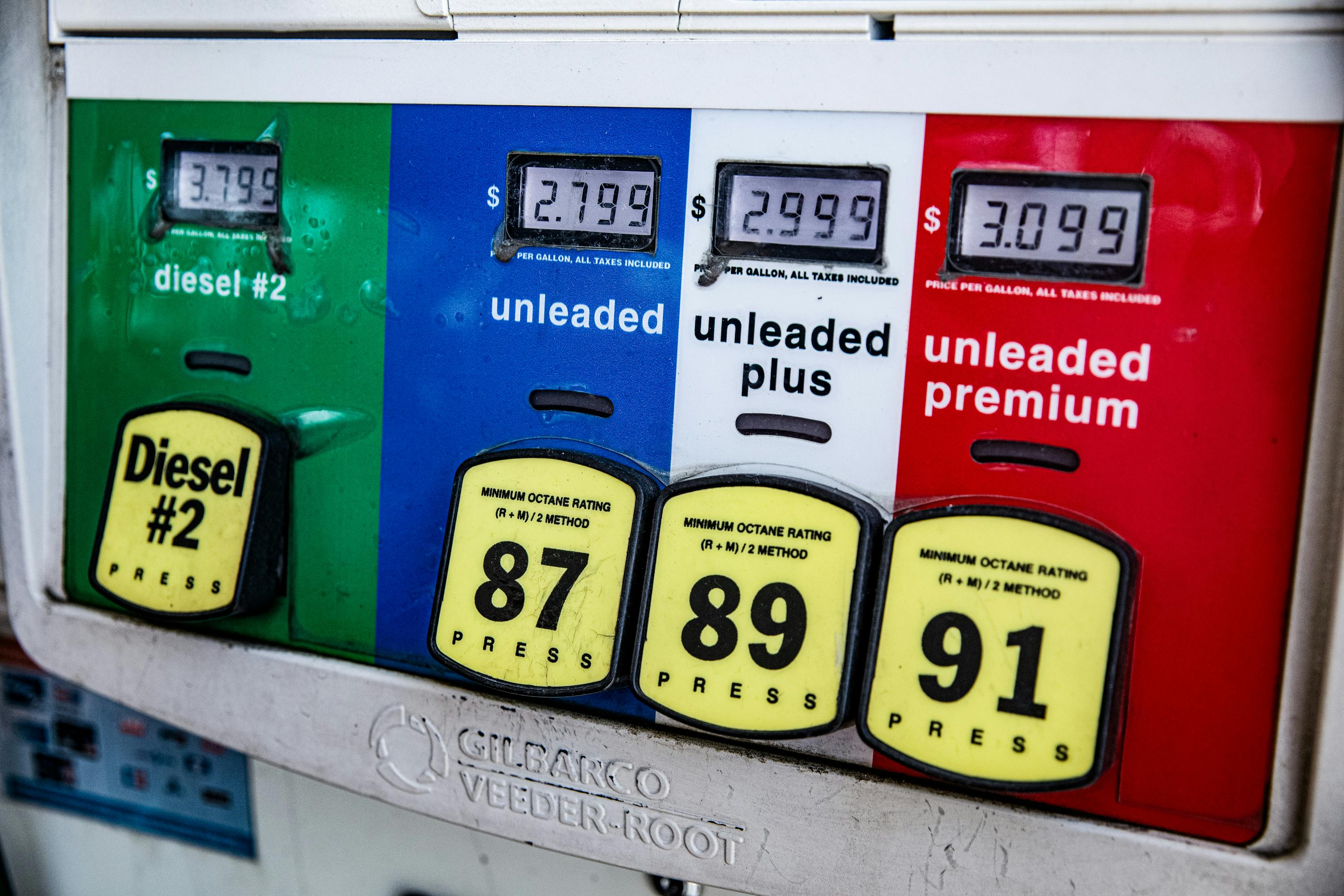
Octane ratings are a measure of a fuel's ability to resist knocking or pinging during combustion, caused by the air-fuel mixture detonating prematurely in the engine. The higher the octane rating, the more compression the fuel can withstand before detonating. While this is crucial for high-performance engines designed to operate at higher compression ratios, most modern vehicles are engineered to run efficiently on regular unleaded gasoline. The misconception arises when drivers assume that a higher octane rating equates to better performance, regardless of the engine type. Understanding octane ratings is essential for car owners to avoid unnecessary expenses and potential engine issues.
The Role of Engine Design
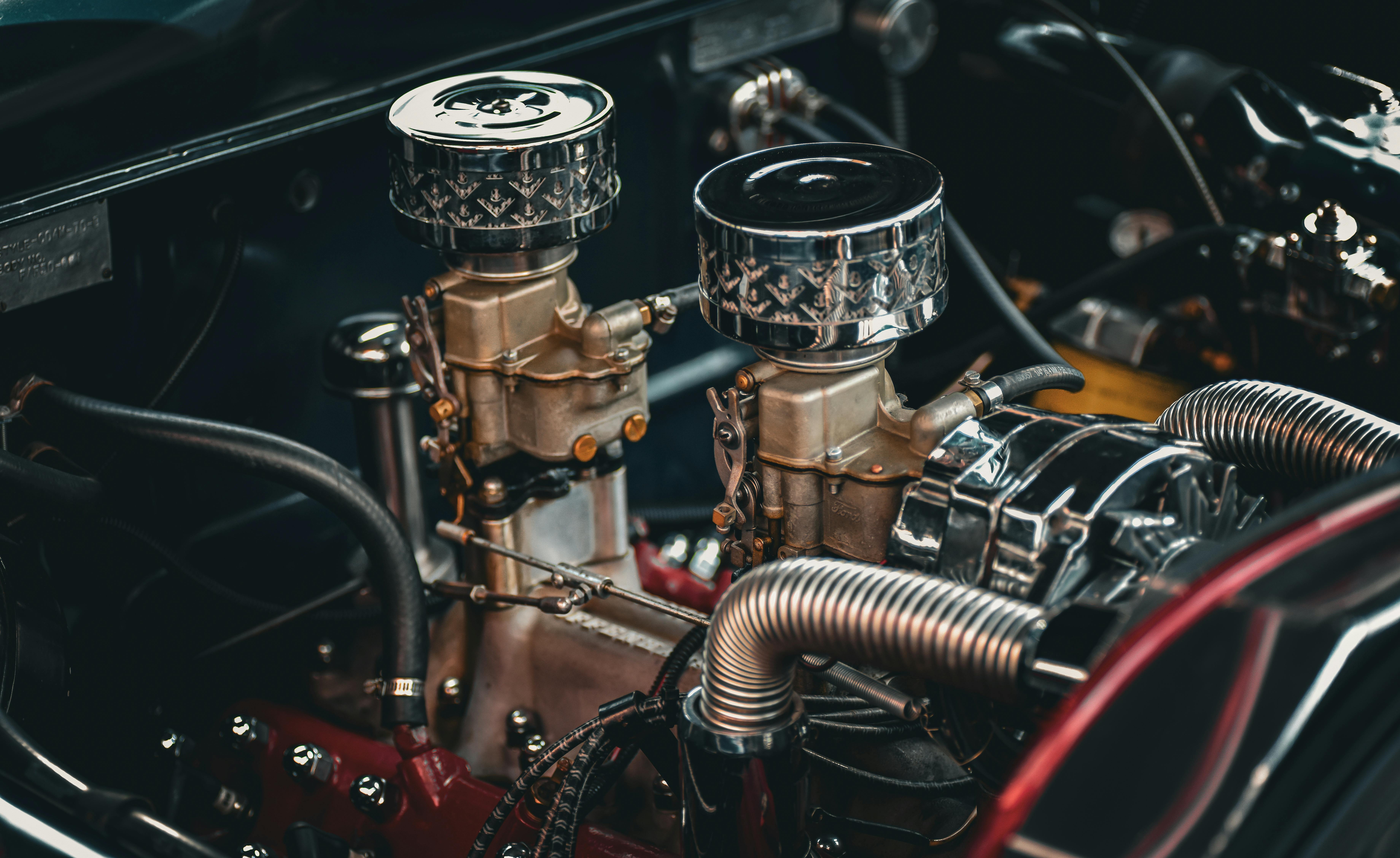
Modern engines are designed with advanced technology that allows them to adjust to different fuel types. Many vehicles are equipped with knock sensors that detect premature combustion and adjust the engine's timing to prevent knocking. This means that even if an engine is designed for higher octane fuel, it can still run efficiently on regular gas without causing damage. Car manufacturers often recommend premium fuel for optimal performance, but this does not mean that using regular fuel will harm the engine. Understanding the role of engine design can help drivers make informed decisions about the type of fuel their vehicle truly needs.
The Cost-Benefit Analysis

When considering whether to use premium fuel, it's important to weigh the costs against the potential benefits. Premium gas typically costs 20 to 40 cents more per gallon than regular unleaded. For the average driver, this can add up to hundreds of dollars annually. If a vehicle does not require premium fuel for its engine to function properly, these extra costs do not translate into significant performance improvements or fuel efficiency. Conducting a cost-benefit analysis can help car owners determine if the slight potential gains in performance are worth the additional expense, often revealing that regular gas is a more economical choice.
Popular Car Models and Fuel Requirements

Many popular car models on the market today are designed to run efficiently on regular unleaded gasoline. Vehicles such as the Honda Accord, Toyota Camry, and Ford Fusion are engineered with engines that do not require the higher octane levels found in premium fuel. These cars are built to offer a balance of performance and fuel efficiency on regular gas, making premium fuel an unnecessary expense. Manufacturers specify the recommended fuel type in the owner’s manual, and for these models, regular unleaded is sufficient to meet their performance standards. Understanding the specific fuel requirements of these cars can prevent unnecessary spending at the pump.
The Psychological Impact of Premium Gas
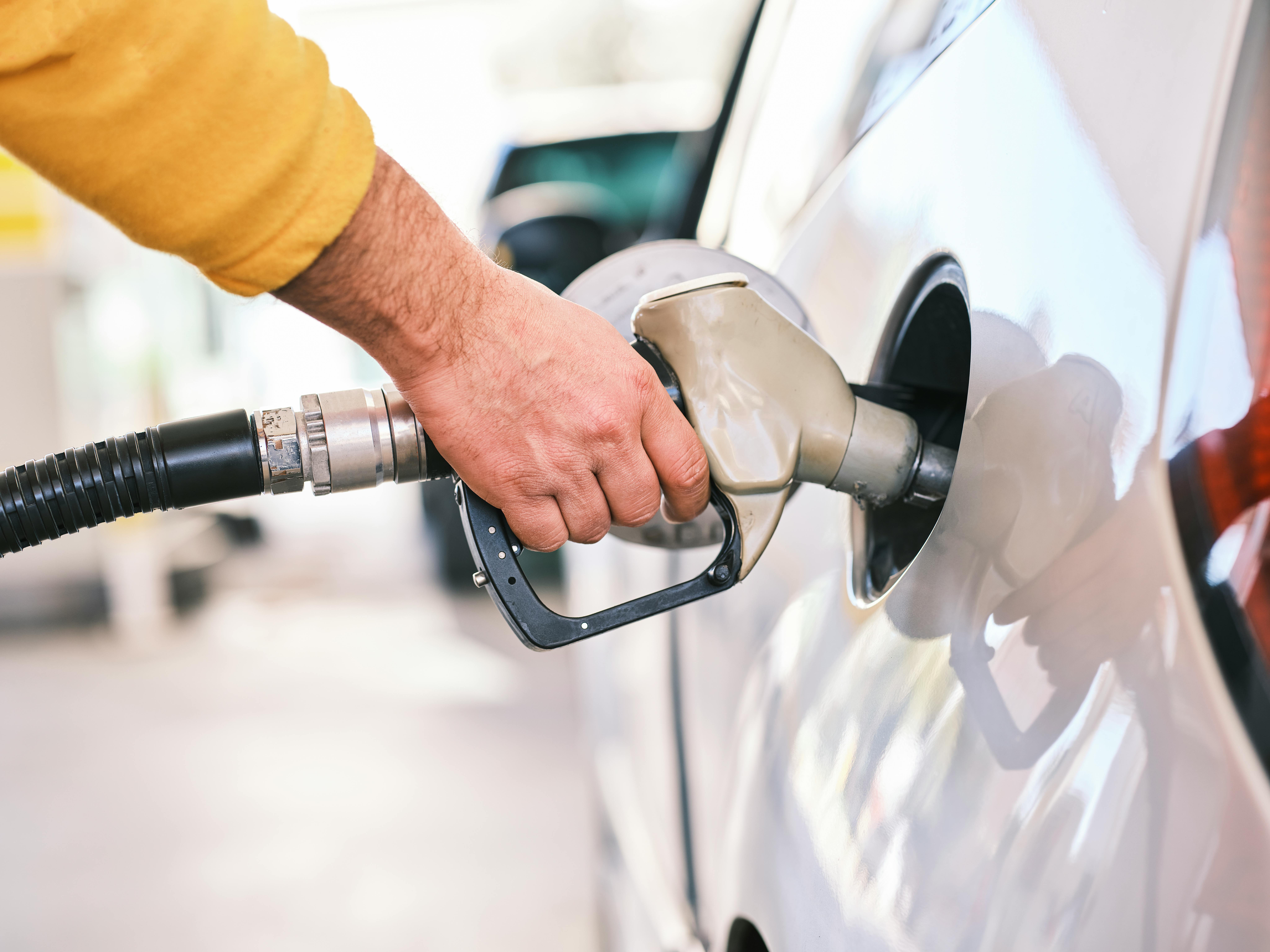
The perception that premium gas is superior is deeply ingrained in the minds of many drivers, influenced by marketing strategies and a lack of understanding about octane ratings. This psychological impact leads to the belief that using premium gas is a form of care or investment in the vehicle's longevity and performance. However, this mindset often results in spending more money without tangible benefits. By educating drivers on the realities of fuel requirements and the true benefits of premium gas, we can challenge these misconceptions and encourage more rational fuel purchasing decisions.
Environmental Considerations

Choosing the right fuel not only affects your wallet but also has environmental implications. Premium gas requires more refining and thus has a larger carbon footprint than regular gas. By using premium fuel unnecessarily, drivers contribute to increased emissions and resource consumption. Vehicles designed to run on regular gas do not benefit the environment from using premium fuel; in fact, it may even lead to inefficiencies that negate any perceived environmental benefits. Making informed fuel choices can help reduce the overall environmental impact of driving, aligning personal economic savings with broader ecological benefits.
Performance Myths Debunked

Many drivers believe that premium gas will enhance their car's performance, providing more power and better acceleration. However, unless the vehicle is specifically designed to take advantage of higher octane levels, these performance gains are negligible. Cars like the Subaru Outback and Mazda CX-5 are examples where performance is not noticeably improved by using premium fuel. These vehicles are engineered to operate optimally on regular gas, and any perceived performance gains from premium fuel are often psychological rather than mechanical. Debunking these myths can help drivers understand that premium gas does not equate to superior performance for all vehicles.
Manufacturer Recommendations vs. Requirements

Car manufacturers often provide recommendations for fuel types in their vehicles, but it is crucial to differentiate between a recommendation and a requirement. For many vehicles, premium fuel is recommended for optimal performance in specific conditions, such as towing or extreme temperatures, but it is not required for everyday driving. Vehicles like the Volkswagen Jetta and Chevrolet Malibu can run efficiently on regular gas without compromising engine health or performance. Understanding this distinction can help drivers avoid unnecessary fuel costs while still adhering to manufacturer guidelines for vehicle maintenance and performance.
The Future of Fuel Efficiency
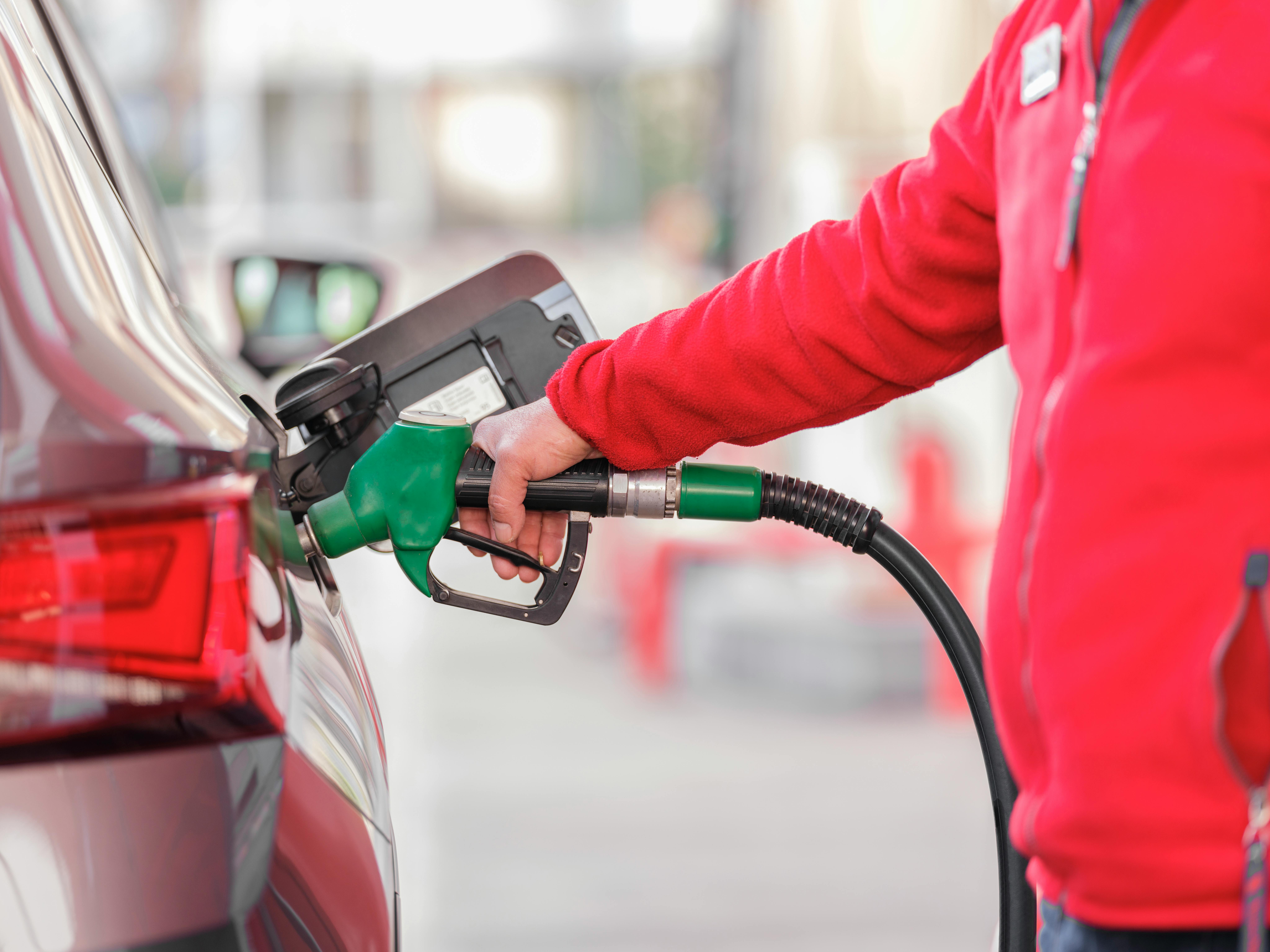
As automotive technology continues to evolve, the trend is moving towards more fuel-efficient engines that can adapt to various fuel types. Hybrid and electric vehicles are becoming increasingly popular, reducing the reliance on gasoline altogether. For traditional combustion engines, advancements in engine design and fuel technology are making it possible for more vehicles to achieve high performance and efficiency on regular gas. This shift highlights the importance of understanding fuel requirements and staying informed about technological advancements that can further reduce the need for premium fuel, ultimately saving money and reducing environmental impact.
Making Informed Fuel Choices
The belief that premium gas is necessary for many popular car models is largely a misconception. By understanding octane ratings, engine design, and manufacturer recommendations, drivers can make more informed fuel choices that save money without sacrificing performance or vehicle health. The psychological and environmental impacts of using premium gas unnecessarily further emphasize the importance of educating drivers about their options. As the automotive industry continues to innovate, staying informed about fuel efficiency and technological advancements will be crucial for making smart, sustainable decisions at the pump.