
Hidden Fees: How Much the Cheapest New EV Really Costs After Charging & Insurance
Electric vehicles (EVs) have become synonymous with futuristic transportation, promising reduced emissions and lower running costs. However, beneath the allure of their advertised price tags lies a complex web of hidden fees that can significantly impact the total cost of ownership. While the sticker price of an EV may appear enticingly low, additional expenses such as charging infrastructure, insurance premiums, and unexpected maintenance can inflate the overall cost. This article delves into the intricacies of these hidden fees, providing a comprehensive analysis of what it truly costs to own the cheapest new EV, beyond just the initial purchase price.
The Sticker Price vs. True Cost
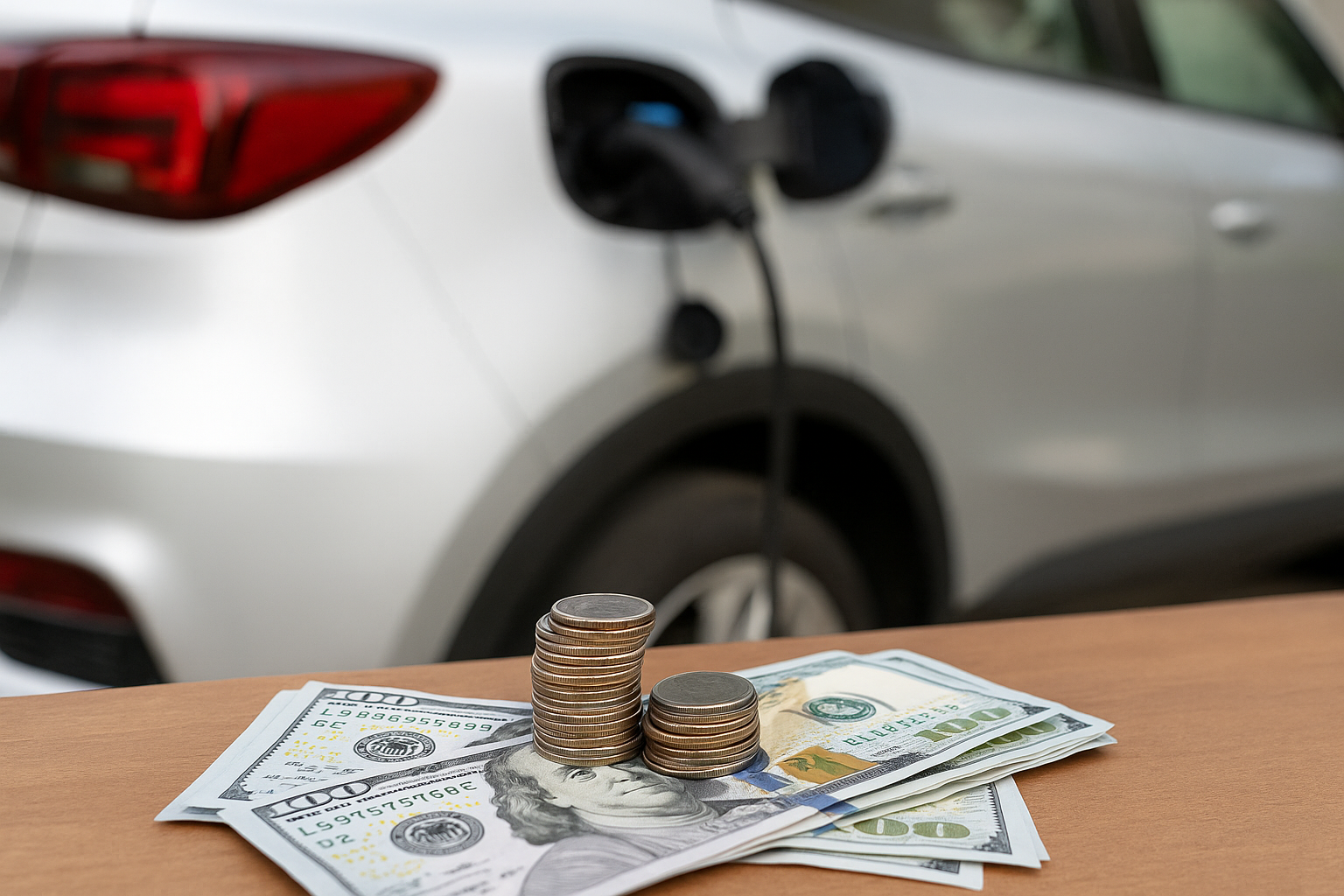
The sticker price of an EV often serves as the initial attraction for budget-conscious consumers. However, this figure rarely reflects the true cost of ownership. Beyond the base price, buyers must consider the cost of essential add-ons like home charging stations and potential upgrades for battery capacity and range. Additionally, government incentives and rebates, which vary significantly by region, can alter the financial landscape. Understanding these components is crucial for buyers to accurately assess whether the upfront savings offered by an EV justify the long-term financial commitment.
Charging Infrastructure and Installation Costs

One of the most significant hidden costs associated with EV ownership is the installation of a home charging station. While some EV manufacturers include a basic charger with purchase, many owners opt for faster, more efficient Level 2 chargers. These require professional installation, which can range from a few hundred to several thousand dollars, depending on electrical system upgrades required. Furthermore, public charging networks, while expanding, often come with usage fees that can add up over time. Understanding these costs is vital for consumers to gauge the practicality of EV ownership.
The Cost of Charging: Home vs. Public
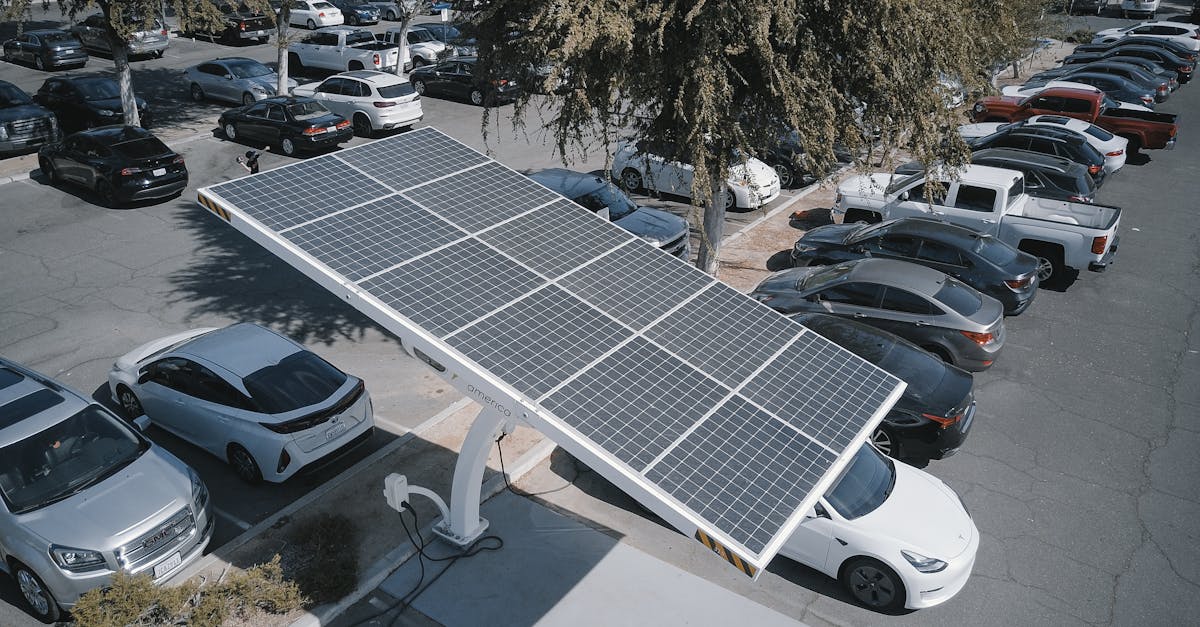
Charging an EV is generally cheaper than fueling a gas-powered car, but the savings are not always as substantial as expected. Home charging rates depend on local electricity prices, which can vary widely. Additionally, peak hour surcharges can increase costs for those without access to time-of-use rate plans. Public charging stations, while convenient, often charge a premium for fast charging services. These factors can significantly influence the overall cost of powering an EV, making it essential for prospective owners to calculate their expected charging expenses accurately.
Insurance Premiums for Electric Vehicles
Insurance for EVs can be surprisingly costly, often exceeding premiums for comparable gasoline vehicles. Several factors contribute to this, including the higher repair costs associated with advanced technology and battery systems. Additionally, the limited availability of specialized repair shops can lead to longer repair times and higher labor costs. Insurers also consider the theft risk of high-demand EV models. As a result, potential EV buyers should obtain insurance quotes before purchasing to avoid unexpected financial burdens and ensure they can afford the ongoing costs of ownership.
Maintenance and Repair Costs

While EVs are often marketed as low-maintenance vehicles due to their fewer moving parts, they are not entirely maintenance-free. Battery degradation, tire wear due to increased torque, and the need for specialized repairs can lead to significant expenses. Moreover, the scarcity of trained EV technicians can drive up labor costs. Understanding these potential maintenance challenges is crucial for buyers to anticipate future expenses accurately and to evaluate whether the lower maintenance claims align with their long-term financial goals.
Depreciation: The Silent Cost

Depreciation is another critical factor in the total cost of EV ownership. While EVs are gaining popularity, their resale value can be unpredictable, largely due to rapid advancements in technology and battery life. Early adopters may find that their vehicles depreciate faster than traditional cars, as newer models with improved features enter the market. This depreciation can affect the total cost of ownership significantly, especially for those who plan to sell or trade in their EV within a few years. Prospective buyers should consider this potential loss in value when calculating the true cost of an EV.
Government Incentives and Their Impact

Government incentives can play a pivotal role in reducing the upfront cost of an EV, but they are often subject to change and can vary widely by location. These incentives can include tax credits, rebates, and reduced registration fees. However, they are typically designed to phase out as the EV market matures, meaning current incentives may not be available in the future. Buyers must stay informed about available incentives and understand their limitations to make informed purchasing decisions and accurately assess their financial benefits over time.
The Environmental Cost: Beyond the Price Tag
While EVs are lauded for their environmental benefits, it's essential to consider the environmental costs associated with their production and disposal. The extraction and processing of materials for batteries, such as lithium and cobalt, have significant ecological impacts. Additionally, battery disposal and recycling remain challenging, with potential environmental consequences. Buyers should weigh these environmental costs alongside financial considerations, as the true cost of an EV extends beyond monetary factors, impacting broader sustainability goals.
Long-Term Ownership Considerations
For those committed to long-term EV ownership, understanding the lifecycle costs is crucial. Battery replacement, which can be necessary after several years, represents a significant expense. Additionally, technological advancements may render older models obsolete, affecting their functionality and resale value. Long-term owners must also consider how evolving infrastructure and policy changes might impact their ability to charge and maintain their vehicles. These factors underscore the importance of a comprehensive evaluation of long-term costs and benefits before committing to an EV purchase.
Comparing Costs with Traditional Vehicles

When evaluating the cost of an EV, it's essential to compare it with traditional gasoline-powered vehicles. While EVs typically offer savings in fuel and maintenance, these must be weighed against higher initial costs and potential hidden fees. Factors such as driving habits, local energy prices, and available incentives can influence the cost-effectiveness of an EV. By conducting a thorough comparison, buyers can determine whether an EV truly offers a financial advantage over conventional vehicles, ensuring their choice aligns with both their budget and lifestyle.
Making an Informed Decision
The cheapest new EV may not be as affordable as its sticker price suggests when hidden fees and long-term costs are considered. Prospective buyers must conduct diligent research, considering factors such as charging infrastructure, insurance, maintenance, and depreciation. By understanding these hidden costs, consumers can make informed decisions that align with their financial goals and sustainability values. As the EV market continues to evolve, staying informed about technological advancements and policy changes will be crucial for maximizing the benefits of electric vehicle ownership.