
The 11 Worst Times to Buy Gas for Maximum Savings
Nothing puts a dent in your road-trip playlist quite like glancing at the gas pump just as those price digits climb higher—and if you’ve ever wondered why, you’re not alone. Drivers coast across America’s highways and city streets, often more focused on the final digit of their fuel gauge than the flashing number signs at their local station. The urge to fill up comes at familiar moments: on the way home from work, days before a big trip, or moments before the tank runs dry. Yet behind each of these habits lies a powerful story—one written by market dynamics, commuter behavior, and a surprising dose of physics. Understanding the intricacies behind when to avoid refueling doesn’t just pad your wallet; it offers a peek under the hood at how gas stations, suppliers, and even the afternoon sun shape your everyday costs. Over the next eleven sections, we’ll chart the territory from midweek price spikes to the hidden cost of summer afternoons, unmasking the worst times to buy gas and showing how the rhythm of the road and the pulse of the market intertwine. For car lovers, casual commuters, and anyone who appreciates when logic meets a little bit of luck at the pump, here are the moments when a fill-up’s timing can make all the difference.
1. The Evening Rush: Why 5–8 PM Signals Peak Prices
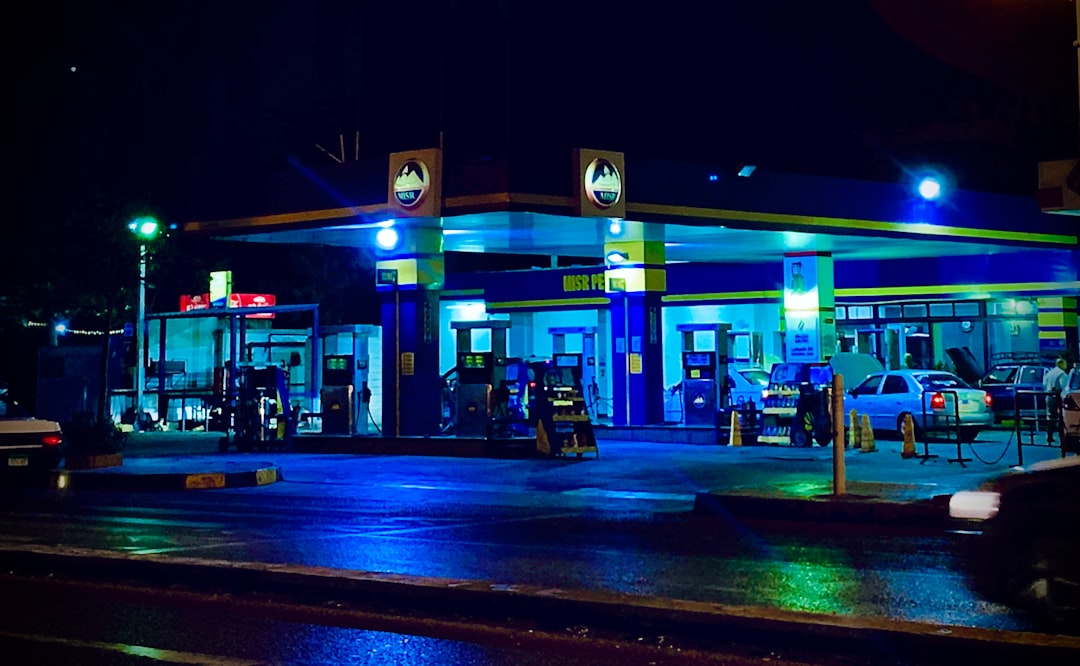
Picture this: It’s just after five, traffic’s crawling, and America’s highways light up with brake lights. This isn’t just rush hour on the road—it’s rush hour at the pump, too. Gas stations see a flood of commuters heading home, road trippers prepping for the next adventure, and families topping off after a long workday. The data backs up what many experience: between 5 and 8 PM, gas demand soars. This evening surge isn’t arbitrary. Industry experts and energy analysts highlight these hours as classic “peak demand” periods. Many stations update their pricing boards for the night or set higher prices, knowing their bays will be full no matter what. For drivers, that means one thing—higher per-gallon costs just when you’re most likely to be waiting in line. Filling up after work might feel convenient, but it ends up being the costliest habit. Instead, try refueling early in the morning or late at night to catch both thinner crowds and potential savings. Peak-hour pricing is a reality engineered for high demand, and smart timing is your ticket to beating the system.
2. Wednesdays & Thursdays: The Midweek Price Spike
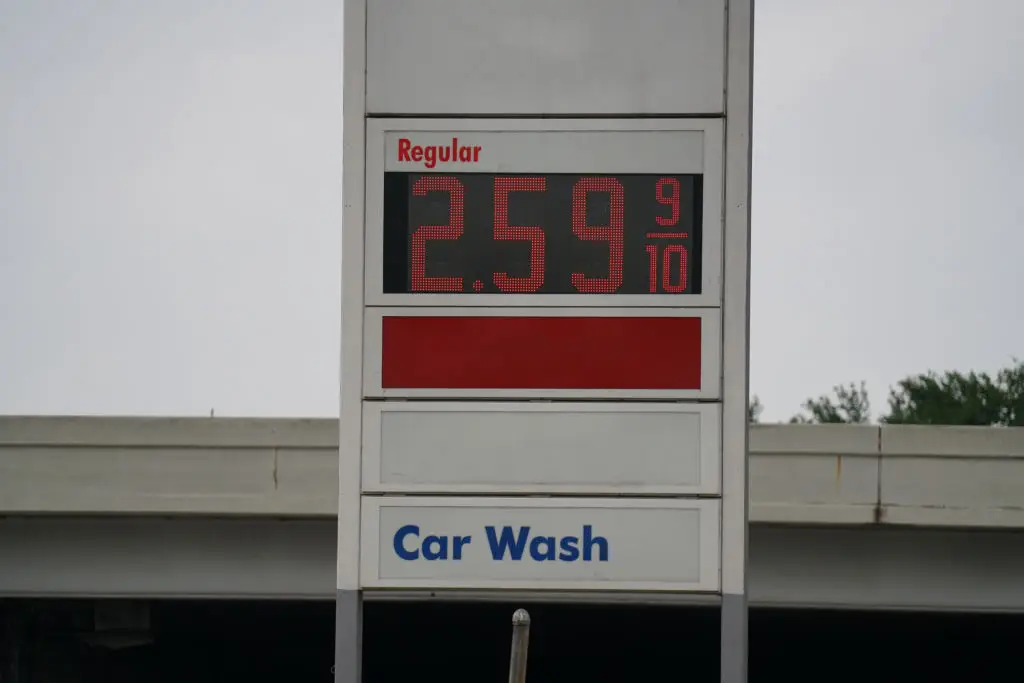
The myth that all weekdays are created equal at the pump couldn’t be further from the truth. Most gas stations adjust their prices during the week, but Wednesday and Thursday often see notable upticks. Why? Wholesale fuel suppliers frequently shift their pricing midweek—sometimes in response to Monday demand data or changes in crude oil prices. Midweek also attracts more drivers prepping for weekend plans, pushing up demand just as wholesale prices peak. Financial analysts and auto experts alike observe a predictable pattern: while Monday and Tuesday can be more stable, Wednesday and Thursday tend to bring price bumps that stick around until the weekend. That means if you fill up midweek, you’re likely to catch the high watermark for prices. Instead of rolling the dice midweek, fuel up earlier and dodge this built-in price trap. Avoiding these seemingly innocent days can add up—especially for those with a long commute or a big family road trip on the horizon.
3. Scorching Afternoons: Thermal Expansion’s Hidden Cost
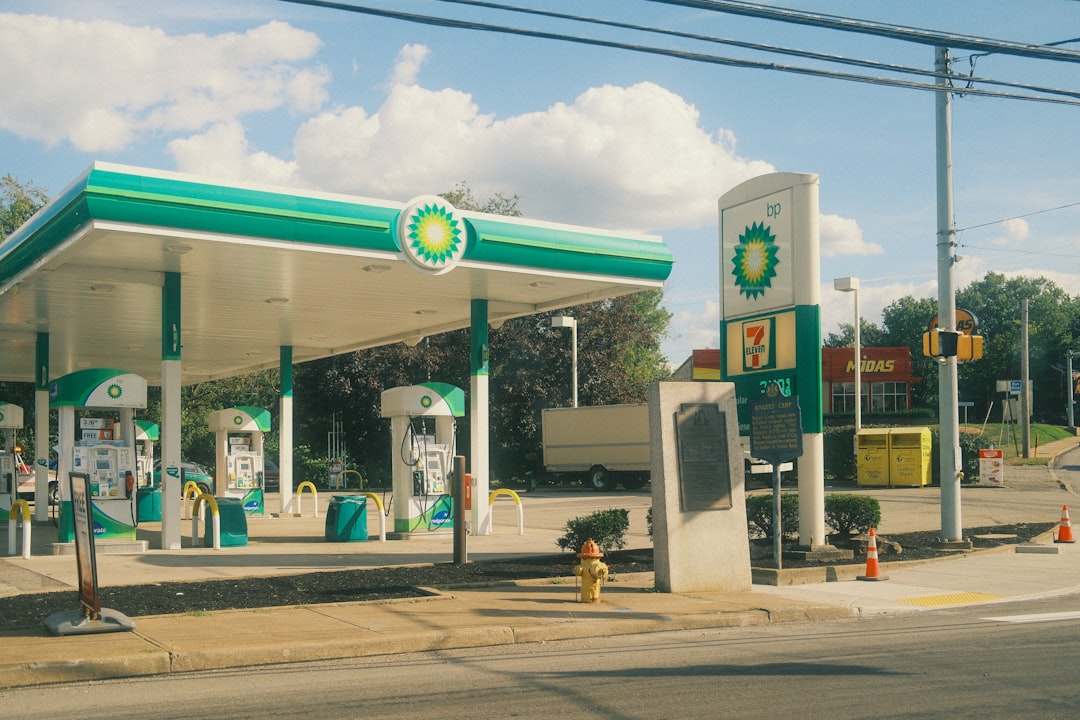
The sun’s not just beating down on your dashboard; it’s quietly working against you at the pump, too. On hot afternoons—especially in the throes of summer—refueling comes with an invisible penalty. Gasoline, like any liquid, expands when heated. Stations store fuel underground, but even so, above-ground pipelines and filling hoses can warm up throughout the day. That expanded fuel contains slightly less energy per gallon, meaning you might technically receive less bang for your buck. Experts reference this as “thermal expansion,” and while each visit’s loss might seem negligible, the long-term effect adds up—particularly when afternoon temperatures soar across North America. The solution? Try visiting the pump during cooler periods of the day. Early mornings offer denser, energy-rich fuel at the same price. So next time the forecast calls for triple digits, remember: a sunrise fill-up is more than just pleasant, it’s practical science working in your favor.
4. Friday Evenings: The Start of the Weekend Surge
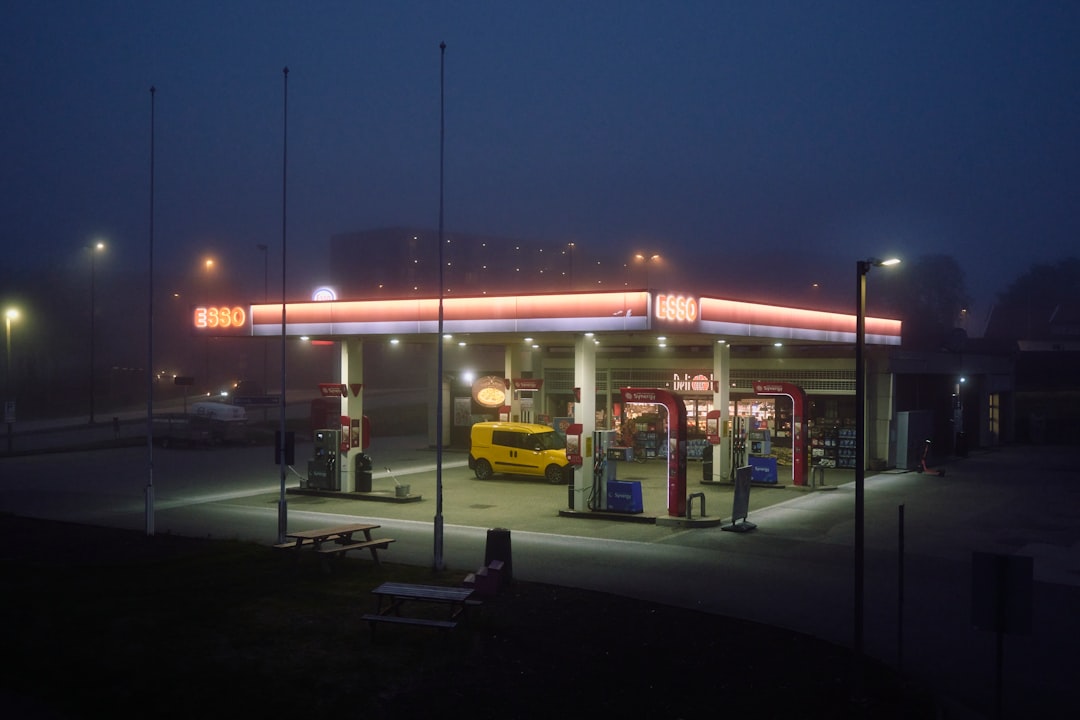
Friday evening is when anticipation for the weekend translates directly into a spike at the gas station. As city dwellers gear up for road trips or last-minute errands, pumps fill with a line of vehicles ready for adventure. But as the sun sets on Friday, many stations preemptively hike prices. Why? Service station managers know the onslaught is coming and capitalize on increased demand with strategic price bumps. This weekend surge is a familiar play in the gas business—a tradition where excitement and travel plans often outweigh concerns about a few extra cents per gallon. For those chasing savings, the lesson is simple: fill up your tank on Thursday morning or earlier in the week and steer clear of that Friday evening price climb. It’s a classic case where planning ahead leaves more in your pocket for snacks, tunes, or maybe just a little extra mileage on your weekend escape.
5. Holidays and Long Weekends: Travel Frenzies That Cost You
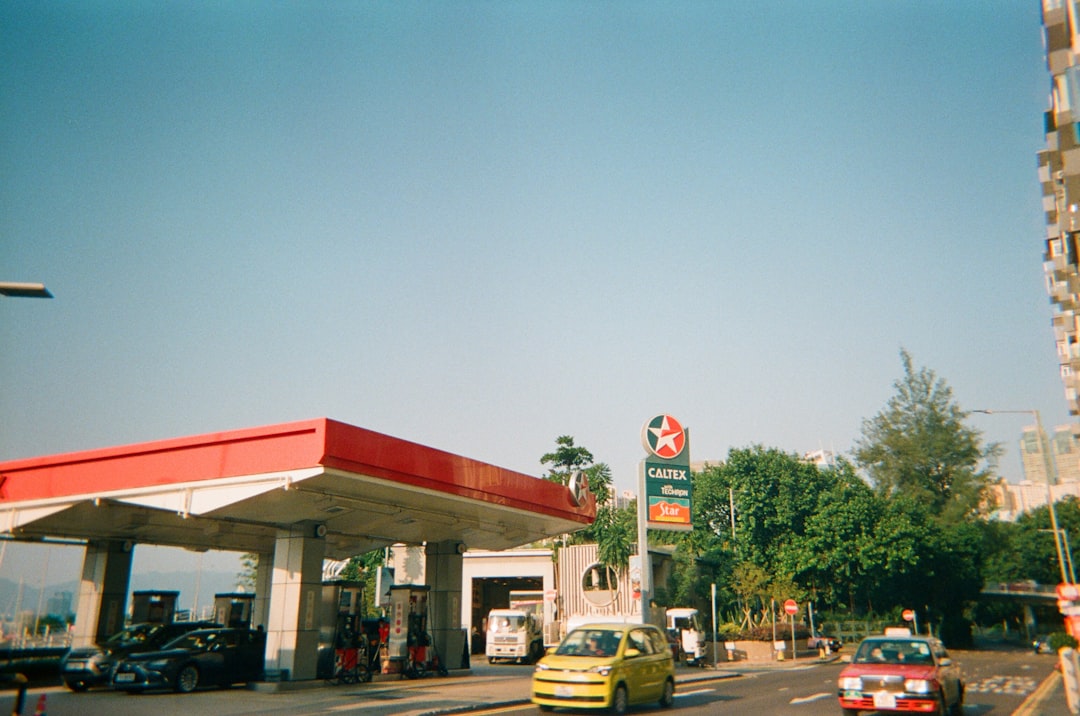
Ahead of Memorial Day, Independence Day, or even Thanksgiving, gas stations morph from everyday pit stops to central hubs of travel activity. Historical data tells the story: as families hit the highways for reunions, vacations, or holiday getaways, fuel demand soars. The result? Strategic price hikes that turn pump visits into a pricier affair. Major holidays serve as bellwethers for the entire gas industry, with many regions seeing their highest prices of the year. It’s not just supply and demand on a macro level; it’s about local competition, temporary shortages, and even weather events amplifying the squeeze. Smart travelers bank their savings by filling up a day or two before the exodus—sidestepping the surge that often begins the afternoon before each holiday. Next time you’ve got a packed trunk and full car, give yourself the gift of early-bird fueling, and avoid turning tradition into an expensive pit stop.
6. The Morning Miss: Dodging Early Price Resets
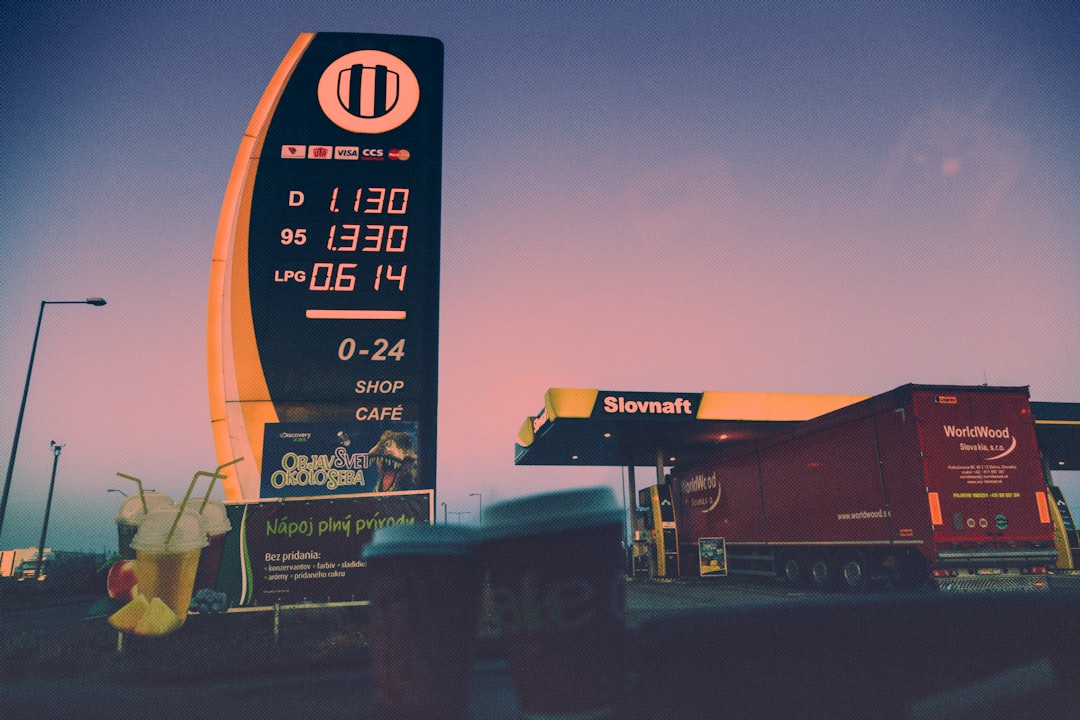
Early risers get more than just a jump on the day—they can also avoid a quiet pricing trend that catches many drivers off guard. Gas stations often reset their price boards between 6 and 9 AM, responding to market updates, wholesale costs, or trends spotted overnight. Not every morning is equal; some days bring more dramatic changes, especially after significant shifts in oil prices or following a previous evening’s dearth of customers. The best deals usually land at the very start of service hours, before price adjustments kick in. If you’re an early bird with a sharp eye, you can catch those last low prices before the boards refresh. The trick is simple: plan for an early fill-up, check local trends if you can, and watch for those subtle shifts in the pricing marquee. This insider move keeps both your tank and your budget fuller, right from the day’s first commute.
7. Last-Minute Fill-Ups: Paying for Procrastination
Few automotive habits hit you in the wallet quite like the desperate, last-minute dash for gas. The low-fuel light blinks, panic sets in, and suddenly any station within reach will do—regardless of price. This scenario is both common and costly. When urgency trumps planning, you lose the ability to compare prices across nearby stations or wait for that optimal time of day. This lack of leverage puts you at the mercy of whatever the nearest pump is charging, often resulting in a pricier tab. Fueling in a pinch isn’t just stressful; it’s a missed opportunity to strategically save. The takeaway is clear: keep your gauge above that danger zone, fill up with intent and foresight, and leave last-minute sprints behind. In the world of gas pricing, procrastination is one habit that always demands a premium.
8. Tourist Hotspots During Peak Season
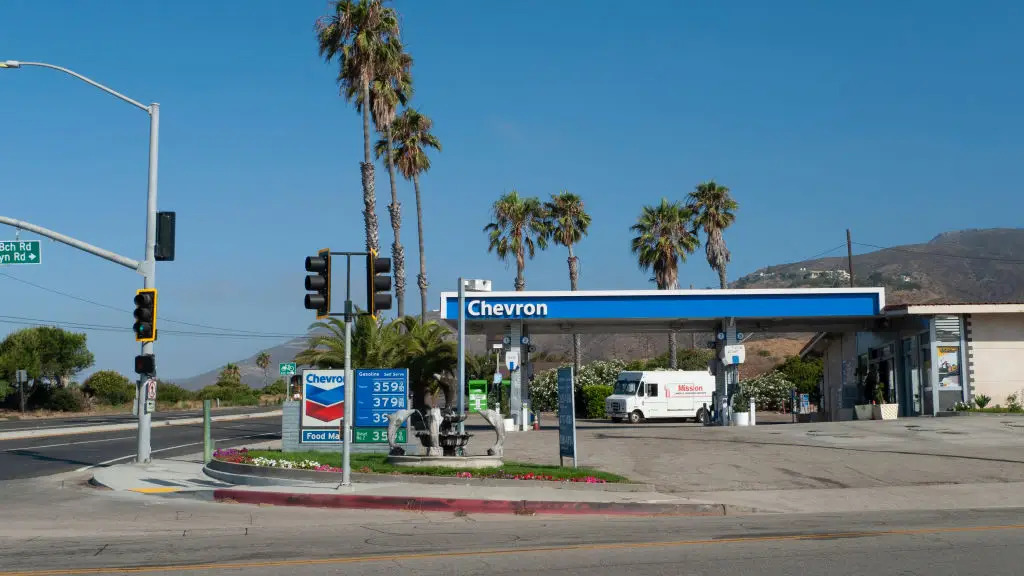
Vacation destinations—think sunny beaches in July or snowy resorts in December—aren’t just a magnet for travelers, they’re a magnet for higher fuel prices too. When the population of a small town balloons with visitors, local stations adjust their pricing to match the swelling demand. It’s a strategic move: in areas where options are limited, tourists often pay top dollar without batting an eye. These adjustments hit hardest during peak travel windows when locals and transients alike compete for the same resources. Those unforgettable road trip views come at a slightly higher cost at the pump. Seasoned travelers plan fuel stops outside these hotspots: they fill up before entering tourist-heavy zones or wait until heading back out. Knowing the lay of the land—and how it shapes the numbers on the price board—can make a big dent in the cost of exploring new places.
9. Weekend Afternoons: Crowds, Lines, and Higher Tabs
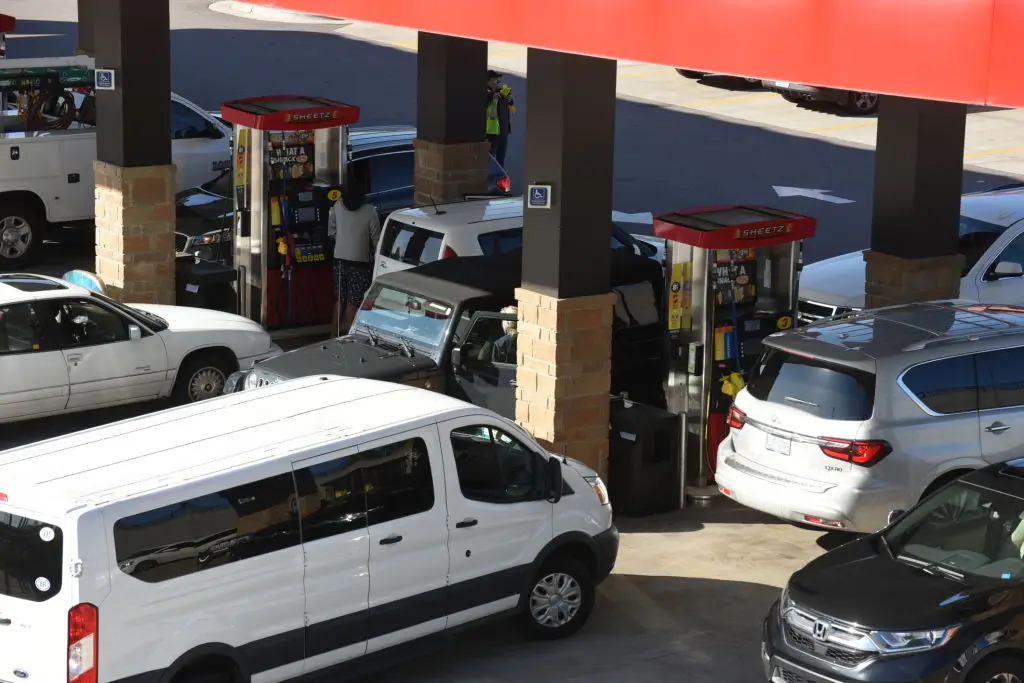
Saturday and Sunday afternoons bring a special kind of energy to gas stations—a blend of last-minute errands, road trips, sports tournaments, and family outings. With the sidewalks and highways bustling, stations move from sleepy outposts to buzzing hubs. The result? Longer lines, heavier demand, and less incentive for stations to offer price discounts. When crowds swell, operators may adjust their pumps upward, anticipating that high demand means higher tolerance for steeper prices. For budget-conscious drivers, this is one scenario where patience pays: try to fuel up in the early mornings or late evenings on weekends when traffic thins out and prices settle. Planning your pit stop intentionally frees up both time and money for what really matters—making the most of your weekend miles.
10. Bad Weather Events: Storms, Shortages, and Sky-High Prices
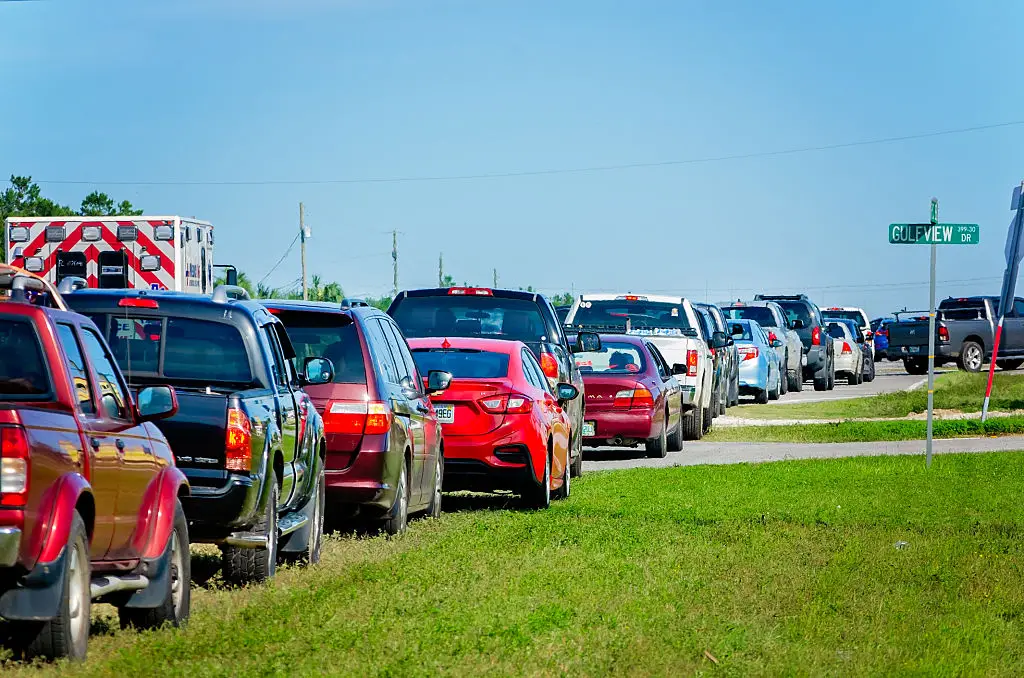
Severe weather can turn a routine fill-up into an expensive scramble. As hurricanes, blizzards, or tropical storms threaten, drivers race for last-minute top-offs, causing demand—and prices—to surge dramatically. Stories from major storm events highlight just how quickly stations can run low or temporarily run dry, and many respond with rapid price hikes. This isn’t price gouging; often, it’s driven by strained supply chains, logistical hurdles, and a flood of anxious customers. The technical side of the equation reveals how disruptions at refineries, pipelines, and delivery networks ripple out to every local pump. The best defense? Monitor the forecast and fill up well before the skies turn gray. Preparation, not panic, keeps both costs and stress in check when nature throws a curveball at your fuel plans.
11. Price War Aftermath: The Calm Is Not Always Cheap
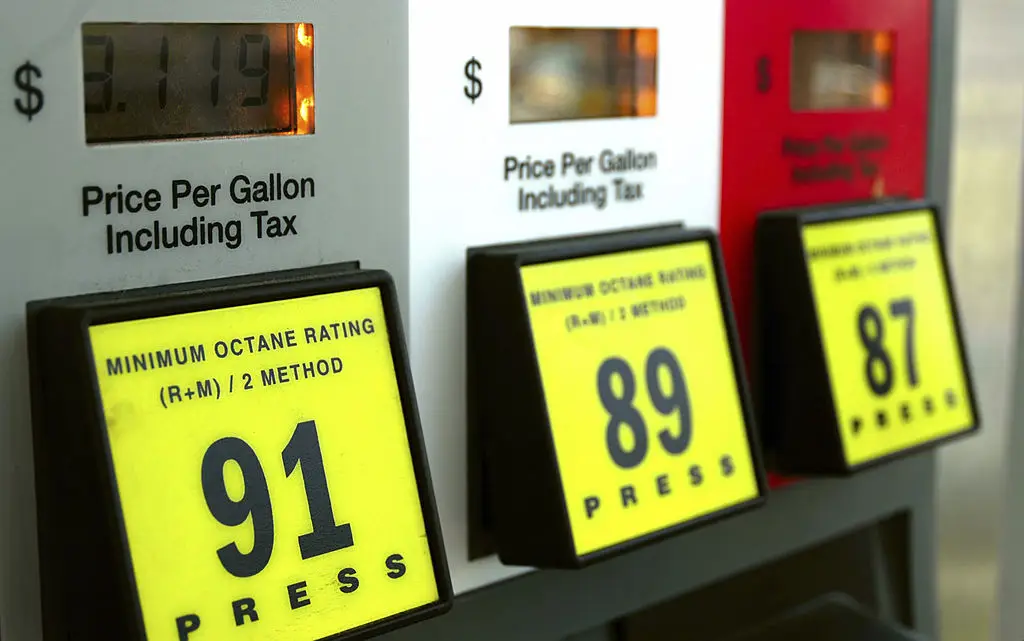
Anyone who’s caught a price war at the local pumps knows the thrill of timing—but what about the aftermath? After a period of competing discounts, stations often rebound with higher-than-average prices as they recoup lost margins. Community message boards might buzz with excitement over falling prices, but as soon as the dust settles, the “normal” resets at a steeper level. Drivers who rush in after a price war fizzles sometimes pay more than they would have if they’d simply waited. The lesson: stay aware not only of dips, but of the rebound curve. By knowing when the bargains end, you can avoid paying tomorrow’s new normal. Track trends in your neighborhood: if prices have recently dipped due to a sale or competition, give it a couple of days before refueling. This small adjustment can make the calm after the bargain storm work for—not against—your bottom line.
Smart Timing: Turning Knowledge into Savings

Gas prices aren’t just numbers—they’re reflections of supply, demand, human behavior, and even the weather. From the chaos of evening rush hour to the fever pitch of holiday weekends, timing your fill-up can transform an ordinary task into a strategic move. Every one of these expensive moments shares a common thread: heightened demand, reduced flexibility, or technical quirks that tip the scales in the station’s favor. But once you decode the rhythm—when price boards flip, when crowds crest, when the weather or weekend looms—you can navigate fuel costs with confidence. This isn’t just about saving a few cents; it’s about appreciating the intricate dance of economics and engineering that shapes the pumps’ ever-changing digits. And like the evolution from old ironclad engines to tomorrow’s high-tech hybrids, understanding these patterns puts you in the driver’s seat. Harnessing timing means more money for what fuels your journey, whether it’s an open highway, family adventure, or daily grind—and makes every fill-up another opportunity to outsmart the system.