
9 Household Items That Clean Your Car Better Than Pro Detailers
There’s a certain pride in driving a freshly cleaned car. Yet for many, the world of professional auto detailing seems both mysterious and almost unattainable—with its shelves lined with specialty products that promise show-car results at pro-level prices. But what if the gap between those immaculate, studio-finished rides and your daily driver could be bridged using nothing more than items found in your own home? Turns out, some of the most effective car cleaning solutions don’t come from a specialty store, but from everyday cupboards and closets. This isn’t just about pinching pennies—it’s about discovering the ingenious, hands-on satisfaction of transforming your vehicle’s appearance with clever, accessible tools. These nine household heroes don’t just rival the pros for convenience and value; they offer proven methods for tackling dirt, stains, and faded surfaces, empowering you to maintain a car you’re genuinely proud of. Buckle up—for each ingenious solution, you’ll find not only why it works, but how to do it safely and what to watch out for. It’s time to recapture the magic of car care, one simple step at a time.
1. Baking Soda: Odor-Absorbing, Gentle Abrasive
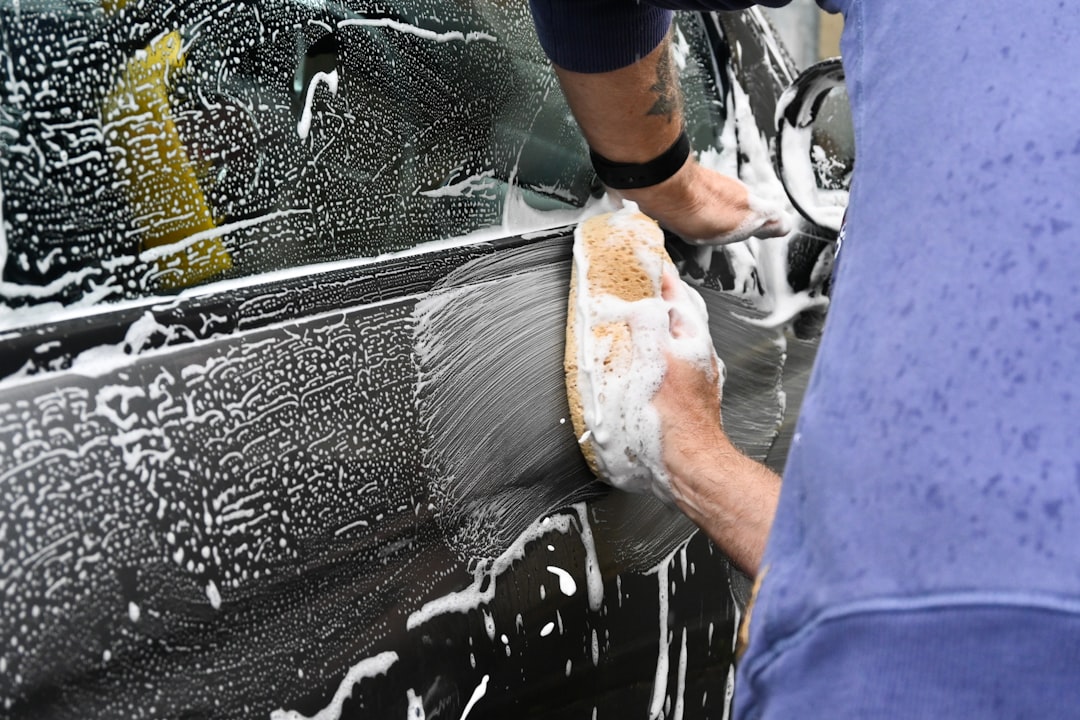
Baking soda might be nestled next to your kitchen flour, but in the context of car care it’s nothing short of transformative. As a natural deodorizer and mild abrasive, it stands up to the test against some of the most persistent automotive messes—from mysterious stains in upholstery to lingering odors after a spilled drink. The secret lies in its crystalline structure: strong enough to scrub, gentle enough not to scratch delicate surfaces. A simple paste of baking soda and water can tackle upholstery stains and seatbelt grime with surprising effectiveness—far outpacing the performance of many pricey automotive carpet powders. Sprinkle it across cloth seats or floor mats, let it sit for fifteen minutes, and vacuum; stubborn spills and pet odors often dissipate in the process. For more targeted jobs, use a damp sponge to apply the paste on trouble spots, then blot with a clean cloth. Best of all, a dollar’s worth of baking soda usually does what branded products do at twenty times the price. Just remember—skip the electronics and polished aluminum, and stick to fabric, plastic, and vinyl. One box, countless creative ways to keep your car feeling fresh.
2. White Vinegar: Streak-Free Glass and Chrome
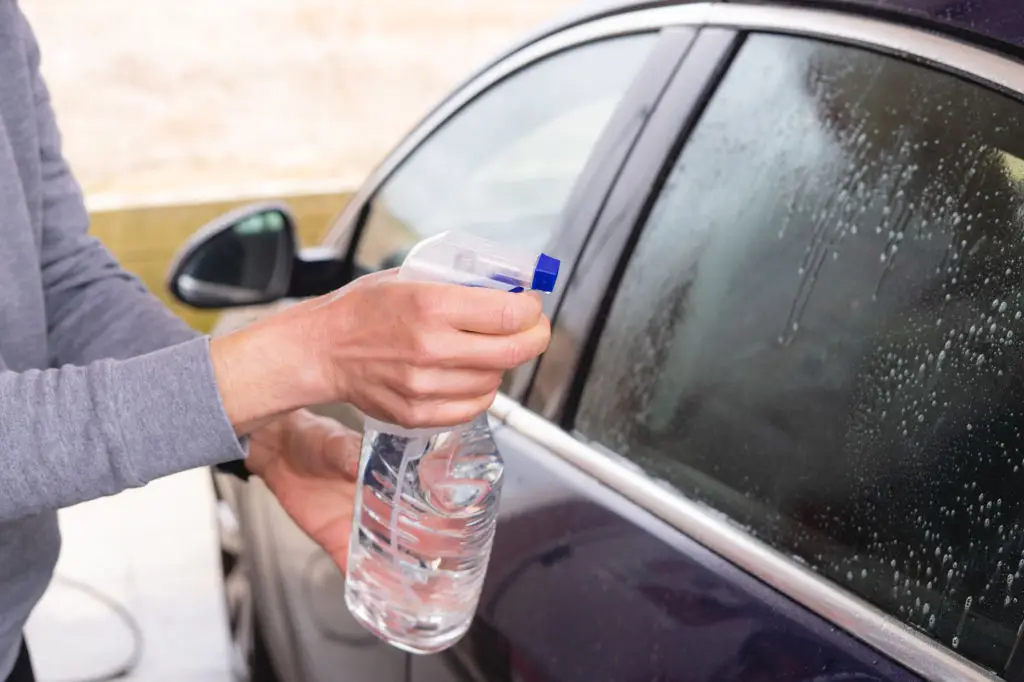
Nothing shatters the illusion of a freshly detailed car quite like streaky windows or a film of haze across your chrome trim. Enter white vinegar—the unsung hero of both kitchens and car care. Mix equal parts vinegar and water for a cleaning solution that cuts straight through road film, bug splatters, and smudges without leaving a trace. Used with a microfiber cloth, this mixture wipes away fingerprints and interior haze with a clarity that rivals many commercial glass cleaners. The science is simple: vinegar’s acidity dissolves mineral deposits and grime, breaking the chemical bonds that cloud glass and dull chrome. Compared to specialized auto glass sprays, this household staple offers a streak-free finish at a fraction of the price. However, a word of caution—never use vinegar solutions on infotainment screens, LCD panels, or painted surfaces. Its strength is best reserved for glass, mirrors, and uncoated metal trim. The result? A panoramic view that's so clear, you’ll swear you swapped out your windshield. With white vinegar, spectacular results are just a spray away.
3. Toothbrush: The Ultimate Precision Detailing Tool

Professional detailers prize their arsenal of specialty brushes—but there’s an overlooked contender lurking in your bathroom. An old (but clean) soft-bristled toothbrush is the ultimate weapon for those hard-to-reach crevices and textured panels throughout your vehicle. Its compact head and nimble bristles reach deep into air vents, between seat seams, and along the lines of every button and badge. Where commercial brushes sell their “precision tip” and ergonomic grips, nothing matches the agility of a toothbrush for intricate automotive nooks. For the best results, spritz the area with your preferred cleaning solution, then gently work the bristles in circles before wiping debris away with a microfiber cloth. Use light pressure—especially on fragile trim—so you lift dirt, not surface coatings. Some auto enthusiasts even keep different colored toothbrushes on hand for wheels, interiors, and tight corners. Practical, nearly free, and endlessly versatile, the humble toothbrush lets you wield pro-level detailing precision right in your driveway.
4. Laundry Detergent: Upholstery and Carpet Refresher
When it comes to revitalizing seat fabrics and restoring the original hue to tired floor mats, laundry detergent stands out as a surprisingly gentle powerhouse. Designed to suspend stains and lift grime from delicate fibers, a diluted detergent solution rivals the foam sprays found in many detailers’ toolkits. Mix a single teaspoon of detergent (liquid or powder) in a quart of warm water, blend well, and use a spray bottle to lightly mist soiled upholstery. A clean sponge or soft brush helps lift ground-in debris, while blotting with a microfiber towel removes loosened dirt. This method is particularly effective for organic stains—think spilled soda, coffee, or muddy footprints. Although professional cleaners tout automotive-specific formulas, the science behind laundry detergent is both time-tested and cost-efficient, offering similar results at a fraction of the price. The key is moderation: never soak the material or pour detergent directly, as this can create stains or lingering residue. Properly applied, laundry detergent restores freshness and color while being gentle on surfaces—and on your wallet.
5. Cooking Oil: Dashboard and Vinyl Shine
The pursuit of that just-detailed dashboard gleam doesn’t always require a trip down the automotive aisle. Regular cooking oil—sunflower, canola, or even a drop of olive oil—can breathe new life into tired vinyl and plastic. The secret is in its emollient properties: oils restore suppleness, keeping dashboards, door panels, and trim from becoming brittle or faded in the sun. To apply, place a dab of oil on a clean microfiber cloth and work it over the surface in thin, even layers. Buff away any excess until there’s no visible residue—the goal is a subtle, healthy shine, not an oily finish. Compared to silicone-based dashboard protectants, which can sometimes attract dust or leave surfaces unnaturally glossy, cooking oil offers a gentle sheen and a more natural look. Use sparingly and never on pedals, steering wheels, or any area that needs to remain grippy. In the world of simple shine, this kitchen staple offers an affordable alternative with impressive, pro-level visual results.
6. Magic Eraser (Melamine Sponge): Removing Stubborn Interior Marks

Some marks on your car’s interior plastic just don’t budge—unless you come armed with the power of a melamine sponge, more commonly known by the popular brand name Magic Eraser. This unassuming cleaning block is made up of microscopic fibers that act like an extremely gentle sandpaper, making it a top-tier choice for scuffs, shoe marks, and stubborn residue on door panels and kick plates. Compared to branded automotive interior cleaners, a damp Magic Eraser can deliver faster results with less streaking or sticky leftovers. There’s a trick: always use it lightly, as pressing too hard can dull glossy surfaces or damage coatings. For best results, squeeze excess water from the sponge before use and work a small, inconspicuous area first. Wipe up any residue with a clean towel. Think of it as a “spot treatment” for interior plastics—not a tool for every surface, but unbeatable for isolated blemishes that defy traditional sprays. Simple, affordable, and astonishingly effective.
7. Shaving Cream: All-Purpose Carpet and Upholstery Stain Buster
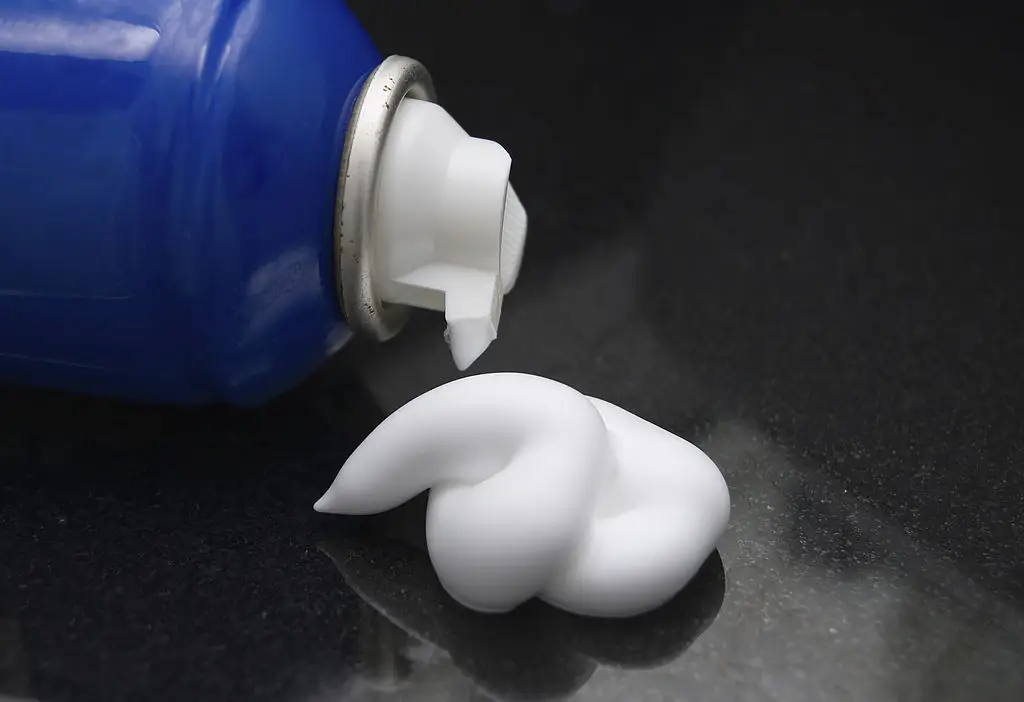
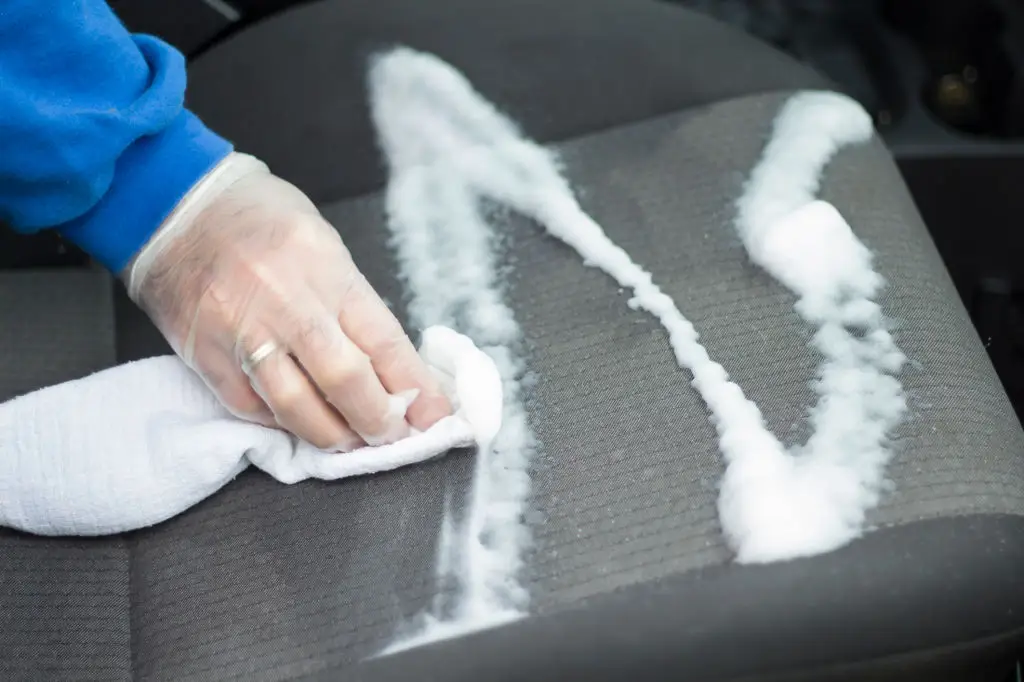
Shaving cream may have started out as a staple for morning routines, but when it comes to tackling stains on your car’s upholstery and carpeting, it’s a secret weapon that catches even seasoned detailers by surprise. The foaming action of traditional white shaving cream lifts coffee spills, ink marks, and deep-set grime from fabric fibers, much like the foaming cleaners sold in automotive stores. Apply a small amount directly to the stained area, let it sit for a few minutes to begin breaking down the stain, and then gently scrub with a damp cloth or sponge. Blot away the excess with a towel and let the fabric air-dry. Unscented, dye-free shaving cream is best to prevent unwanted fragrances or discoloration. The result often rivals (and sometimes surpasses) what pro cleaners achieve, thanks to its gentle surfactants and foamy texture. Sometimes, innovation isn’t about complexity—it’s about rediscovering what’s already within arm’s reach.
8. Olive Oil and Lemon Juice: Natural Leather Care
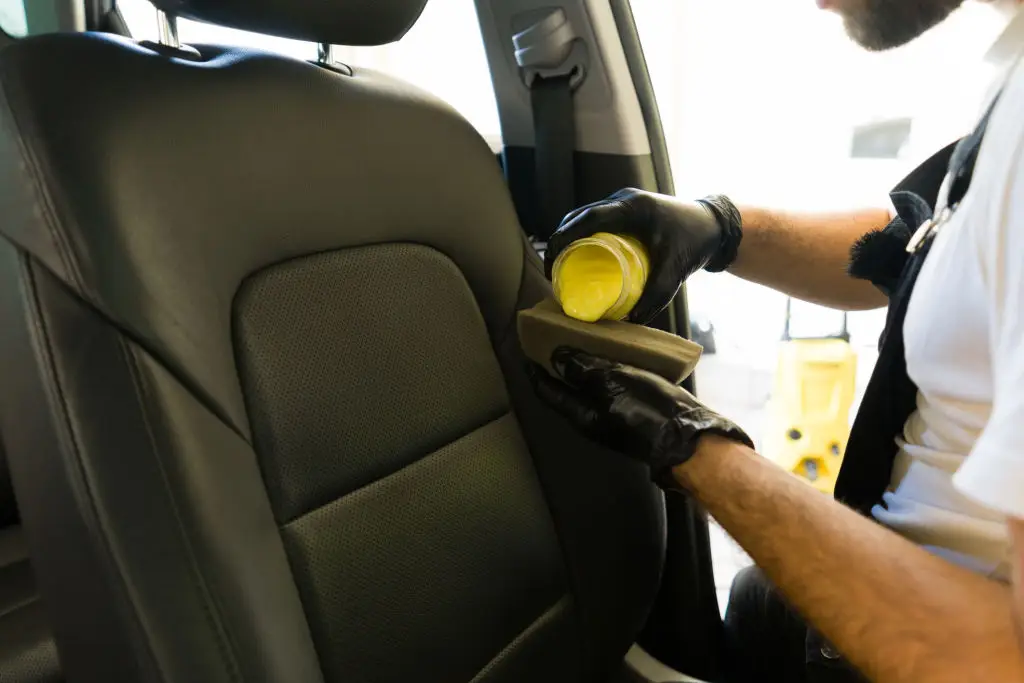
Premium leather seats deserve thoughtful care, but that’s no reason to break the bank. Olive oil and lemon juice—classic kitchen companions—can combine into a gentle yet effective DIY conditioner for genuine leather. Simply mix two parts olive oil with one part lemon juice in a spray bottle, shake well, and lightly mist onto a microfiber cloth. Gently rub the solution into the leather in circular motions, allowing the natural oils to replenish suppleness and the lemon’s mild acidity to refresh the surface. Unlike many over-the-counter conditioners packed with synthetic chemicals, this blend offers a subtle sheen and enhanced softness without introducing harsh residues. As always, wipe away any excess and avoid using on faux leather, suede, or Alcantara. The beauty of this method is its simplicity—no elaborate concoctions, just accessible ingredients and attentive application. For those who cherish both their car’s interior and resourceful ingenuity, this is a time-honored upgrade that stands the test of time.
9. Old Socks or T-Shirts: Lint-Free Dusting and Buffing Cloths
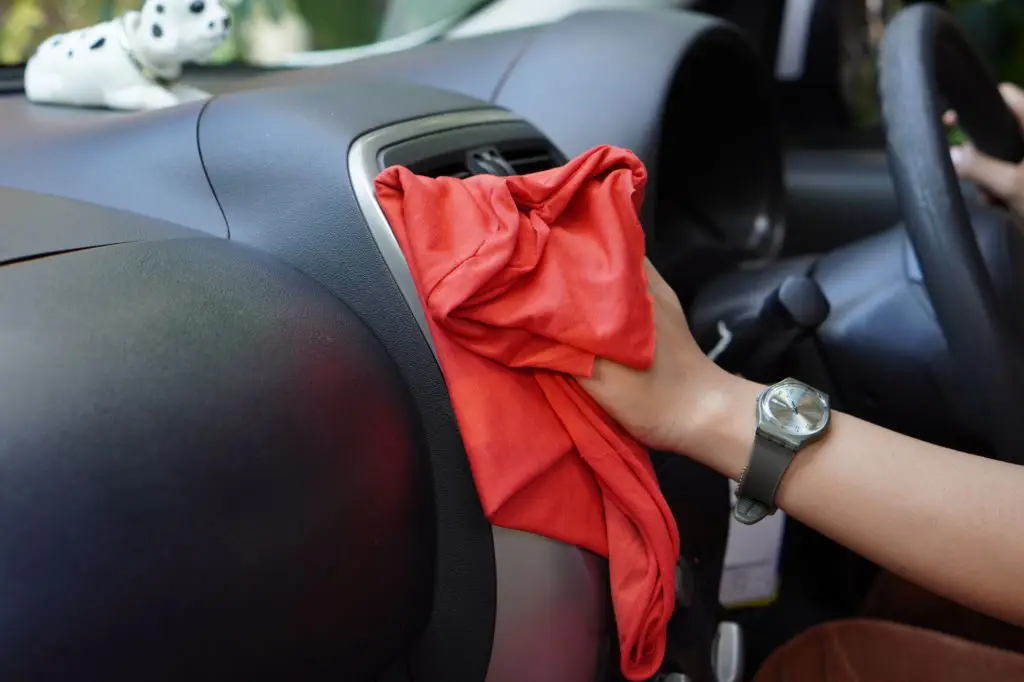
Sometimes the best “tool” is one you’d otherwise throw away. Old cotton socks or T-shirts—clean and free of heavy seams—create unrivaled dusting and buffing cloths for glass, dashboards, and trim. Their tight weave and worn fibers mean less lint than paper towels and better contact with surfaces than new store-bought rags. Professional detailers spend top dollar for “premium” microfiber, but for most tasks, a recycled cotton tee works wonders on both fingerprints and dust. Folded or stretched over your hand, they make it easy to polish tight spaces or wrap around a finger for precision buffing. Wash them regularly and retire any that develop grit or rough edges. There’s also an important environmental story here: by repurposing clothing, you’re reducing waste and maximizing value—two themes that resonate well beyond the driver’s seat. Sometimes, car care excellence isn’t about what you buy—it’s about how cleverly you reuse what you have.
Unlocking Car Care Magic With Everyday Ingenuity

Car care isn’t reserved for those with specialized gear or lavish budgets—it belongs to everyone propelled by a sense of pride and creative resourcefulness. Across bustling city streets and wide-open country highways, people have always searched for ways to keep their cars looking—and feeling—their best, often with tools and solutions hiding in plain sight. Each household item on this list proves that remarkable results don’t require professional-grade labels or chemistry degrees, just everyday ingenuity and a willingness to try something new. In the process, you don’t just save money—you deepen your own connection with a machine that moves you through the world, restoring a sense of ownership and accomplishment every time you step behind the wheel. So, as you reach for baking soda or that faded T-shirt, remember: Your garage can be a laboratory for practical discovery, where automotive passion meets everyday practicality. The next time your car sparkles under the sun, let it be a reflection—not just of its finish, but of your own DIY spirit.