
The Hidden Cost of Your ADAS Sensors: 7 Simple Habits That Keep Your Calibration Safe
Advanced Driver-Assistance Systems (ADAS) have revolutionized vehicle safety, offering features like lane-keeping assistance, adaptive cruise control, and automatic emergency braking. However, the integration of these sophisticated systems comes with hidden costs, especially concerning the calibration of ADAS sensors. Calibration is crucial for ensuring these systems function correctly, and neglecting it can lead to significant safety risks and financial burdens. This article explores seven simple habits that can safeguard your ADAS calibration, thus preserving the efficiency and reliability of your vehicle's safety features. Understanding these habits is essential for any vehicle owner who seeks to maintain optimal vehicle performance and safety.
Regularly Scheduled Maintenance

Regular maintenance is the cornerstone of keeping your ADAS sensors in top condition. Just like any other vehicle component, ADAS sensors require periodic checks to ensure they are functioning correctly. Scheduled maintenance involves inspecting the sensors for any physical damage, cleaning them to prevent dirt accumulation, and checking their alignment. This routine helps in early detection of issues that might affect the calibration, such as misalignment or sensor obstruction. By incorporating regular maintenance into your vehicle care routine, you can prevent small issues from escalating into costly repairs or replacements, ultimately extending the life of your ADAS systems.
Understanding Environmental Effects

Environmental factors can significantly impact the calibration of ADAS sensors. Extreme weather conditions, such as heavy rain, snow, or fog, can obstruct sensor readings, leading to inaccurate data processing. It’s crucial to understand how different environments affect the sensors and take preventive measures, such as using protective covers or parking in sheltered areas during adverse weather. Additionally, temperature fluctuations can cause sensor components to expand or contract, affecting their alignment. Being aware of these environmental impacts allows you to take proactive steps to protect your sensors, ensuring they remain accurately calibrated and fully functional.
The Role of Proper Tire Maintenance

Tire maintenance plays a surprisingly vital role in ADAS calibration. Tires that are under-inflated or unevenly worn can alter the vehicle's ride height and alignment, which in turn affects sensor calibration. Properly inflated and balanced tires ensure that the vehicle maintains its intended height and alignment, allowing ADAS sensors to function accurately. Regularly checking tire pressure and ensuring even tread wear can prevent calibration issues, thereby maintaining the effectiveness of your ADAS features. This simple habit not only enhances safety but also contributes to a smoother driving experience.
Avoiding Aftermarket Modifications

Aftermarket modifications can pose a significant threat to ADAS calibration. Many vehicle owners opt for customizations that can interfere with sensor placement or function, such as bumper replacements, window tinting, or suspension alterations. These modifications can misalign sensors, leading to inaccurate readings and compromised system performance. It’s essential to consult with professionals before making any changes to your vehicle to ensure that modifications do not disrupt the calibration of ADAS sensors. By avoiding unnecessary alterations, you can preserve the integrity of your vehicle’s safety systems and avoid costly recalibrations.
The Importance of Professional Calibration

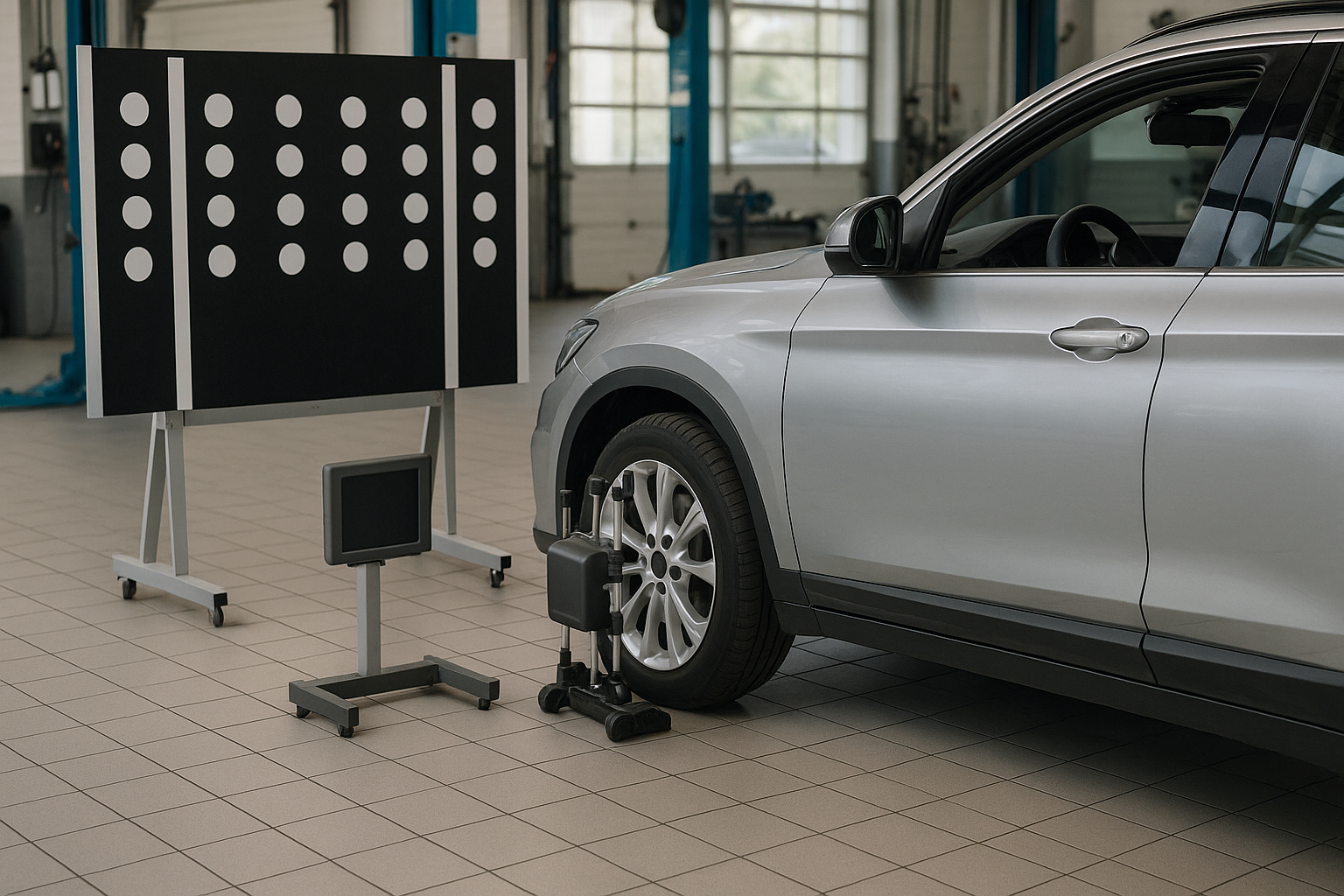
Professional calibration is a critical aspect of maintaining ADAS sensor accuracy. Whenever your vehicle undergoes significant repairs, such as windshield replacement or collision repair, it’s imperative to have the sensors recalibrated by a qualified technician. Professional calibration ensures that all sensors are correctly aligned and functioning as intended, restoring the vehicle’s safety features to their optimal state. Relying on expert services provides peace of mind, knowing that your ADAS systems are calibrated to manufacturer specifications, thereby ensuring maximum safety and performance on the road.
Staying Informed About Software Updates

Software updates are essential for the proper functioning of ADAS systems, as they often include crucial improvements and bug fixes. Staying informed about available updates and ensuring they are installed promptly can prevent potential calibration issues. Manufacturers regularly release updates to enhance system performance, address known issues, and improve safety features. By keeping your vehicle’s software up to date, you ensure that your ADAS sensors operate with the latest advancements, reducing the risk of malfunctions and preserving the accuracy of your calibration.
Educating Yourself on ADAS Technology

Educating yourself about ADAS technology is perhaps the most empowering habit for maintaining sensor calibration. Understanding how these systems work, their limitations, and the factors that affect their performance enables you to make informed decisions about vehicle care. Resources such as owner’s manuals, online forums, and workshops can provide valuable insights into the intricacies of ADAS technology. By becoming knowledgeable about your vehicle’s systems, you can better anticipate potential issues and take proactive measures to ensure your ADAS sensors remain accurately calibrated and fully operational.
The Path to Safe and Reliable ADAS Systems
The hidden cost of neglecting ADAS sensor calibration can be significant, impacting both safety and finances. By adopting these seven simple habits, you can effectively safeguard your vehicle’s calibration, ensuring that your ADAS systems function as intended. Regular maintenance, understanding environmental effects, proper tire care, avoiding aftermarket modifications, seeking professional calibration, staying updated on software, and educating yourself about ADAS technology are all crucial steps in maintaining the reliability and safety of your vehicle. Embracing these practices not only enhances your driving experience but also contributes to a safer road environment for everyone.