
6 Car Maintenance Myths That Are Actually Costing You Thousands
In the world of car maintenance, myths abound, often passed down through generations or perpetuated by well-meaning but misinformed friends. These myths, while seemingly harmless, can lead to unnecessary expenses and even damage to your vehicle. Understanding the truth behind these myths is crucial for car owners who wish to maintain their vehicles efficiently and economically. This article will delve into six prevalent car maintenance myths that could be costing you thousands of dollars. By dispelling these misconceptions, you can make informed decisions that protect both your wallet and your vehicle's longevity.
Myth 1: Premium Fuel Equals Better Performance
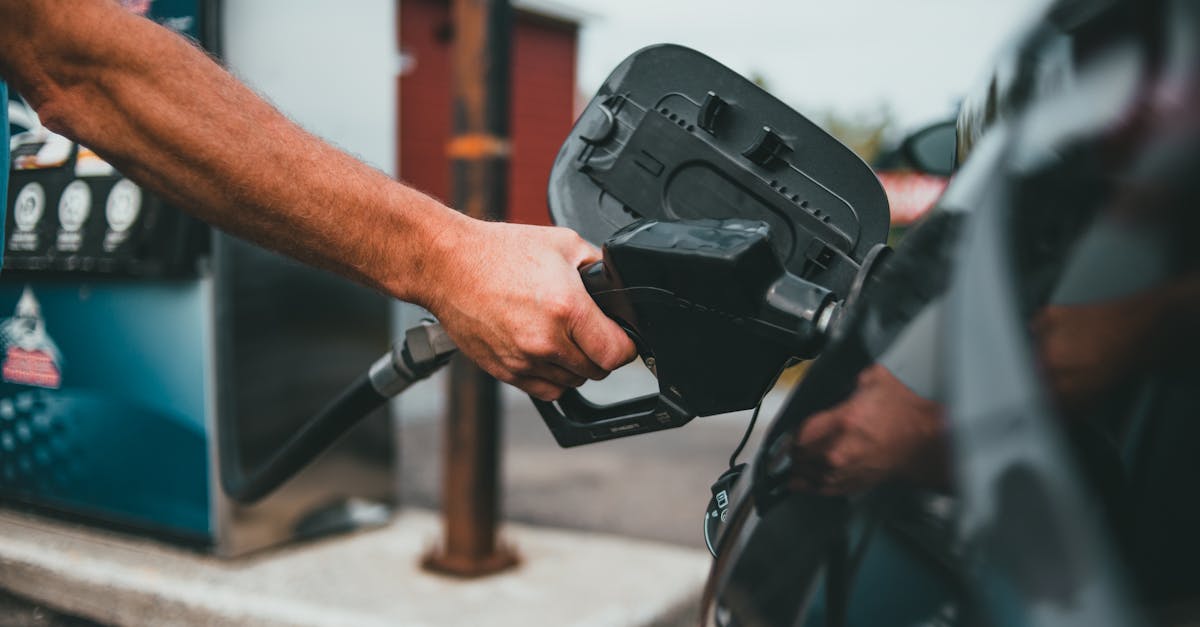
One of the most common myths is that using premium fuel will enhance your car's performance, regardless of the vehicle type. While premium fuel has a higher octane rating, it's specifically designed for high-performance engines that require it to prevent knocking. Most standard engines are engineered to run optimally on regular gasoline. Using premium fuel in a vehicle that doesn’t require it doesn’t provide any added benefits and can lead to unnecessary spending. Understanding your vehicle's specific fuel requirements, as outlined in the owner's manual, can save you hundreds of dollars annually.
Myth 2: Oil Changes Every 3,000 Miles
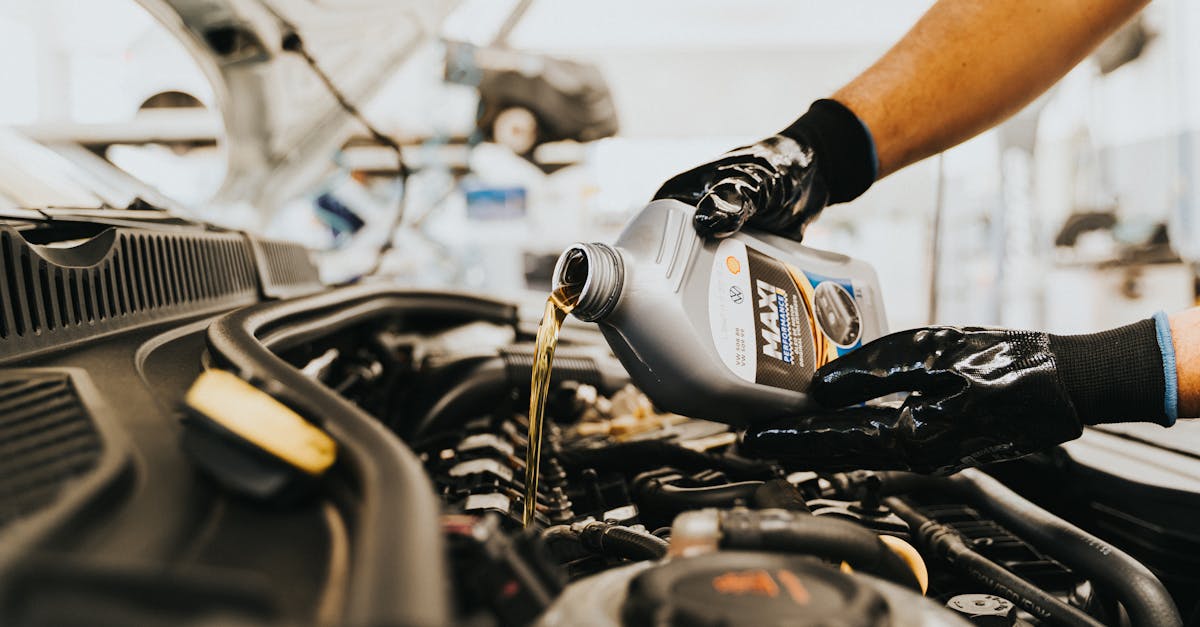
The belief that oil must be changed every 3,000 miles is a myth rooted in outdated practices. Modern engines and advanced oil formulations have significantly extended the intervals between oil changes. Many vehicles now recommend oil changes every 5,000 to 7,500 miles, or even longer. Sticking to the 3,000-mile rule can lead to unnecessary oil changes, increasing maintenance costs without providing additional benefits to your engine. Consult your vehicle’s manual for the recommended oil change interval, and consider using synthetic oils that can further extend the time between changes.
Myth 3: Warm Up Your Engine Before Driving
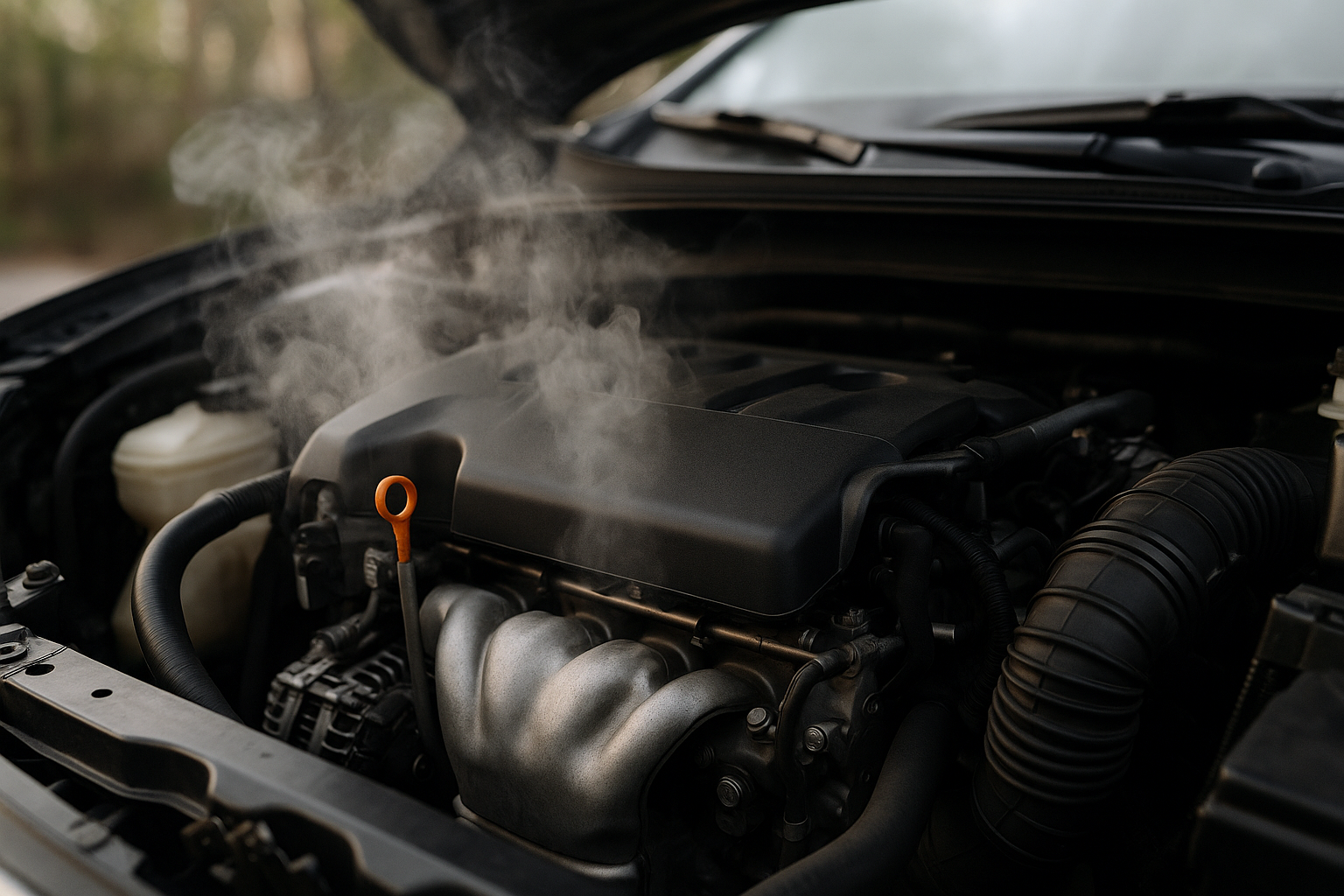
The notion that cars need to be warmed up before driving is a relic from the era of carbureted engines. Modern vehicles, equipped with fuel injection systems, are designed to be driven almost immediately after starting. Idling your car to warm it up wastes fuel and can lead to increased wear on engine components. Instead, driving gently for the first few minutes allows the engine to reach its optimal operating temperature more efficiently. This practice not only saves fuel but also reduces emissions, contributing to a healthier environment.
Myth 4: Inflate Tires to the Maximum PSI

Many drivers mistakenly believe that inflating tires to the maximum pressure listed on the sidewall will improve fuel efficiency and tire life. In reality, the maximum PSI is the highest pressure the tire can safely handle, not the optimal pressure for driving. Over-inflating tires can lead to a harsher ride, reduced traction, and uneven tire wear, ultimately costing more in repairs and replacements. The correct tire pressure is usually found on a sticker inside the driver’s door or in the owner’s manual. Maintaining the recommended pressure ensures safety, comfort, and longevity.
Myth 5: Car Batteries Last for Five Years
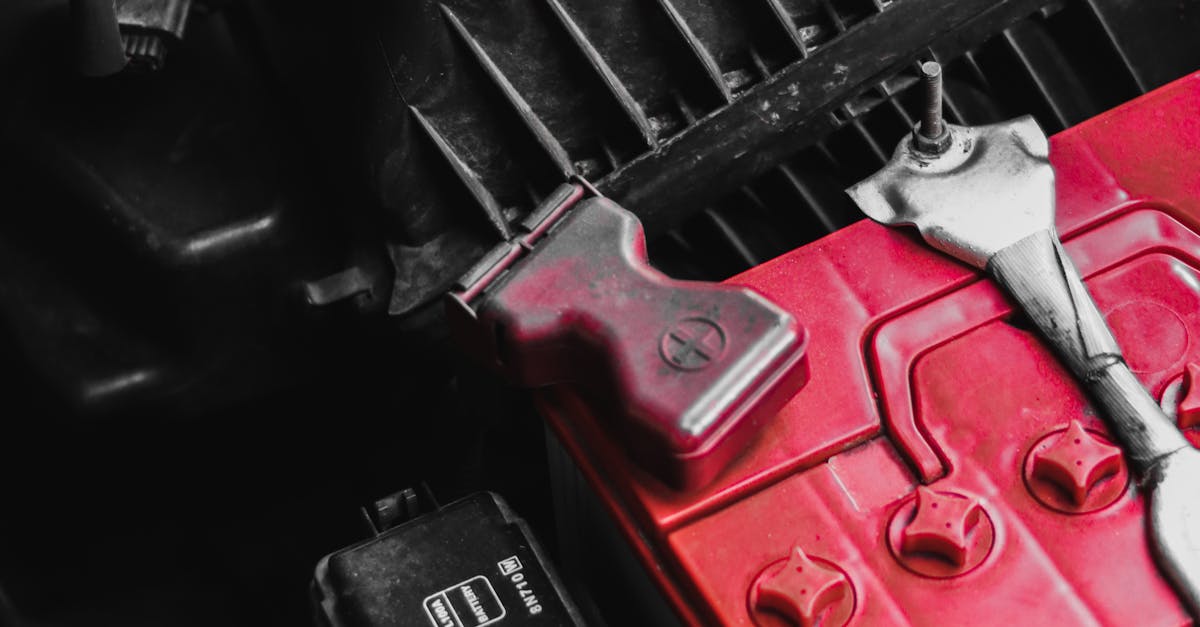
It's a common misconception that car batteries have a fixed lifespan of five years. While many batteries do last around this time, their actual lifespan can vary significantly based on factors like climate, driving habits, and maintenance. Extreme temperatures and frequent short trips can shorten a battery's life. Regularly testing your battery's health and keeping terminals clean can extend its life. By understanding these variables, you can avoid premature battery replacements and save on unnecessary costs. A proactive approach can prevent inconvenient breakdowns and extend battery performance.
Myth 6: Brake Pads Must Always Be Replaced Together
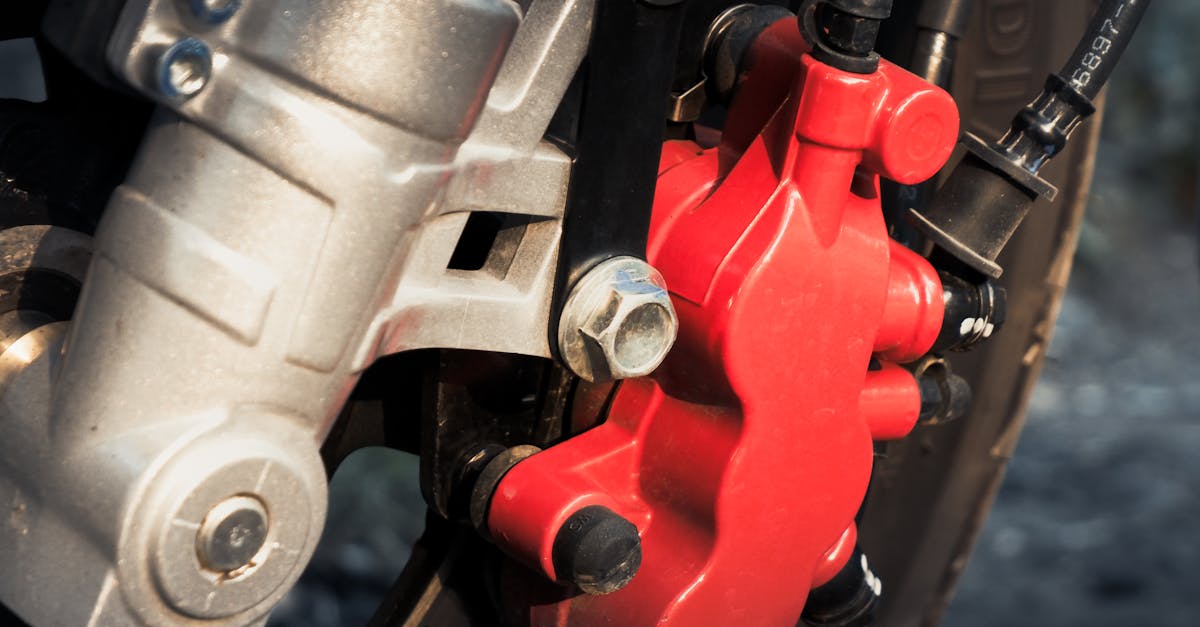
The belief that all brake pads must be replaced simultaneously is another costly myth. In reality, brake pads wear at different rates due to factors like driving style and vehicle load distribution. Replacing all pads at once, when only one set is worn, leads to unnecessary expenses. Regular inspections can identify which pads need replacing, allowing you to address wear individually. This approach not only saves money but also ensures that your braking system remains efficient and reliable. Trust your mechanic's assessment or learn to check pad wear yourself for optimal maintenance.
Embrace Informed Car Care

Debunking these myths is more than just a cost-saving exercise—it's about empowering car owners with knowledge that leads to smarter maintenance decisions. By understanding the realities behind these common misconceptions, you can tailor your car care routine to what truly benefits your vehicle. This informed approach not only prevents unnecessary expenses but also extends the life of your car, ensuring it remains a reliable and safe mode of transportation. Embrace the facts, consult your vehicle's manual, and when in doubt, seek advice from trusted automotive professionals.