
5 New Road Signs Every Driver Needs to Learn Before 2026
How often do everyday drivers spot a brand-new road sign and stop to wonder what story it tells? The United States and Canada share a rich history of highway innovation, with traffic signs evolving alongside advances in engineering, safety policy, and technology. Yet truly new signage is rare—reserved for moments when our roads must adapt to seismic shifts in how we travel, communicate, and keep each other safe. As 2026 approaches, a handful of fresh signs are set to appear—each representing a new chapter in the collaboration between transportation authorities, communities, and every driver on the road. Whether you’re a commuter, a rideshare pro, a weekend adventurer, or a veteran road-tripper, these upcoming symbols aren’t just about rule changes—they’re about making sure we all reach our destinations safely, no matter how driving evolves. This guide goes well beyond the basics. Here you’ll discover five new road signs—each approved, piloted, or announced for imminent rollout—that you’ll need to recognize and understand before the decade closes. Get ready to meet the icons of tomorrow’s roadway, and find out how regulatory ingenuity, engineering progress, and collective responsibility are coming together to shape the next era of travel.
1. Distracted Driving Warning Zone
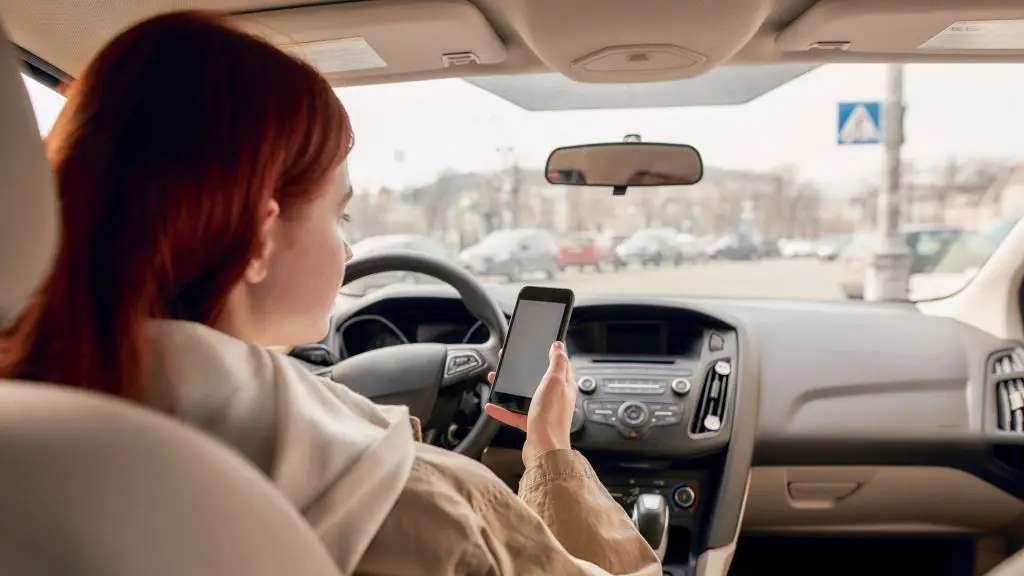
A new visual staple is appearing on highway corridors with a clear message: “Distracted Driving Warning Zone.” This sign, often featuring an image of a smartphone crossed out within a bright red circle, stands as a bold reminder about one of today’s most pressing roadway hazards. With distracted driving now rivaling impaired driving in national crash statistics, the DOT and several state agencies are adding official signage to high-risk stretches, school approaches, and construction zones. What does this sign mean for the average driver? Upon entering a posted zone, all forms of device use—even hands-free—may be restricted, with penalties for violations ramped up by state law. Real-time camera monitoring, visible patrols, and advanced data analytics support enforcement in these areas. While some states are piloting variable-message electronics, most early signs mirror classic regulatory shapes—with modern iconography for clarity. The goal is more than just warning; it’s to trigger a conscious change in driving habits right where risk spikes. If the trend holds, expect these signs on major urban interstates and busy cross-commutes nationwide by late 2025.
2. Connected Vehicle Infrastructure Ahead
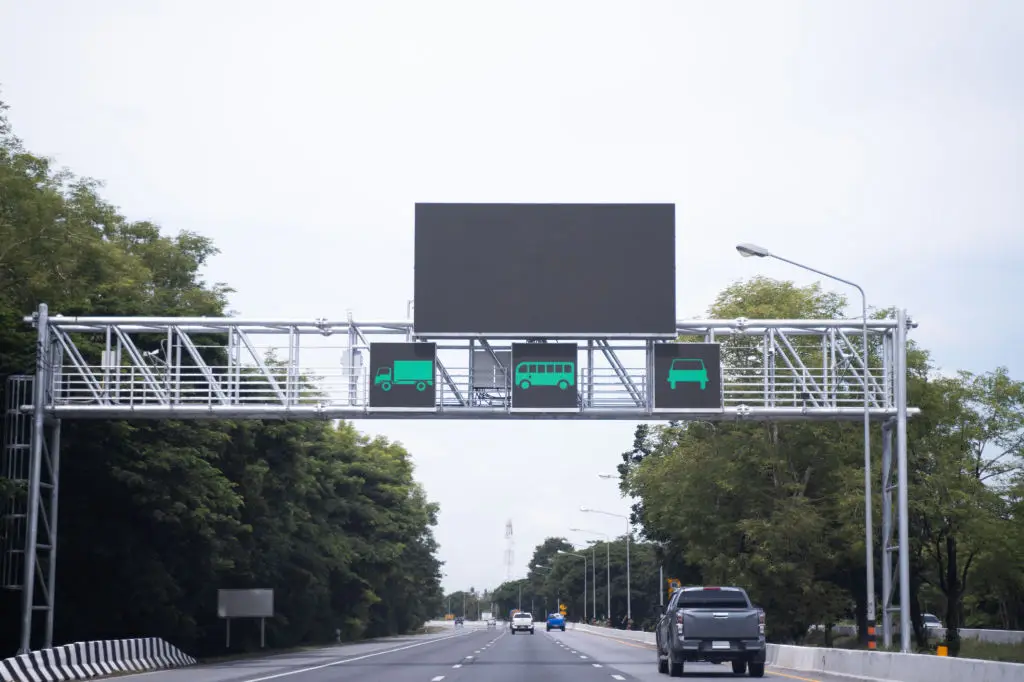
Imagine approaching a highway ramp and seeing a sign marked with a stylized vehicle surrounded by broadcast waves—this is the new “Connected Vehicle Infrastructure Ahead” notice. As automotive engineering leaps forward, the network of roads coded with Vehicle-to-Everything (V2X) technology is expanding fast. This sign tells drivers they’re entering a stretch where smart traffic signals, sensors, and communication devices are working in tandem with newer vehicles. Why does this matter, even if you don’t drive a tech-laden car? Legacy vehicles—those not equipped with V2X gear—should exercise extra caution: system-activated speed adjustments, merging signals, or emergency vehicle prioritization could occur with little warning. Regulators want everyone—whether driving a classic or the latest EV—to be aware of invisible changes that shape flow and safety. This is more than a tech update; it’s a new language on the road, directly bridging past and future. Pilots started in select states and provinces, but expectations are high for broad adoption before 2026, especially on commuter beltways and advanced highway corridors.
3. Vulnerable Road User Alert
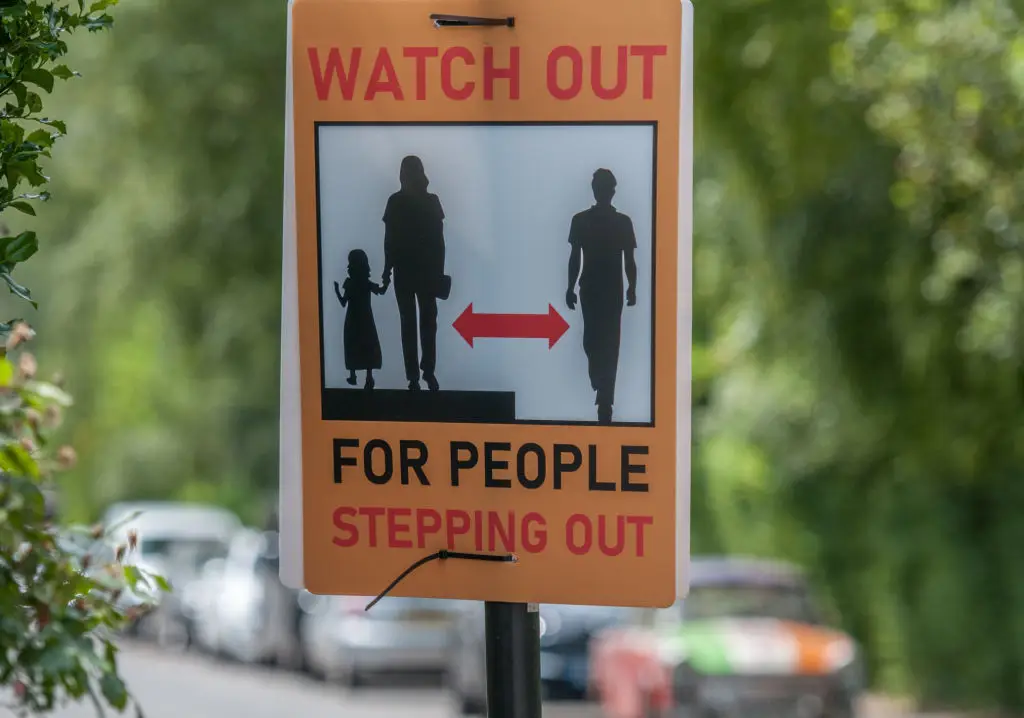
As cities and rural routes alike contend with rising numbers of cyclists, pedestrians, scooter riders, and other vulnerable road users, a fresh sign is joining the landscape. The “Vulnerable Road User Alert” features a high-contrast icon: often a pedestrian and cyclist outlined in bright yellow or lime with bold black borders, sometimes sharing space with a scooter or wheelchair symbol. This sign flags zones where non-motorized traffic outweighs vehicles—university districts, downtown corridors, new suburban mixed-use parks, and even redesigned rural crossings. Transportation authorities are ramping up right-of-way enforcement in these zones, with legislative backing and stepped-up penalties for failing to slow down, yield, or stay alert. What does this mean for drivers? When you see this alert, anticipate unpredictable movements; extra caution isn’t just suggested, it’s expected. These signs are rolling out alongside changes to crosswalk technology and signal timings, part of a broader push to lower incidents—and ultimately lives—lost at these intersections of human and motor power.
4. Dynamic Speed Limit Display Zone
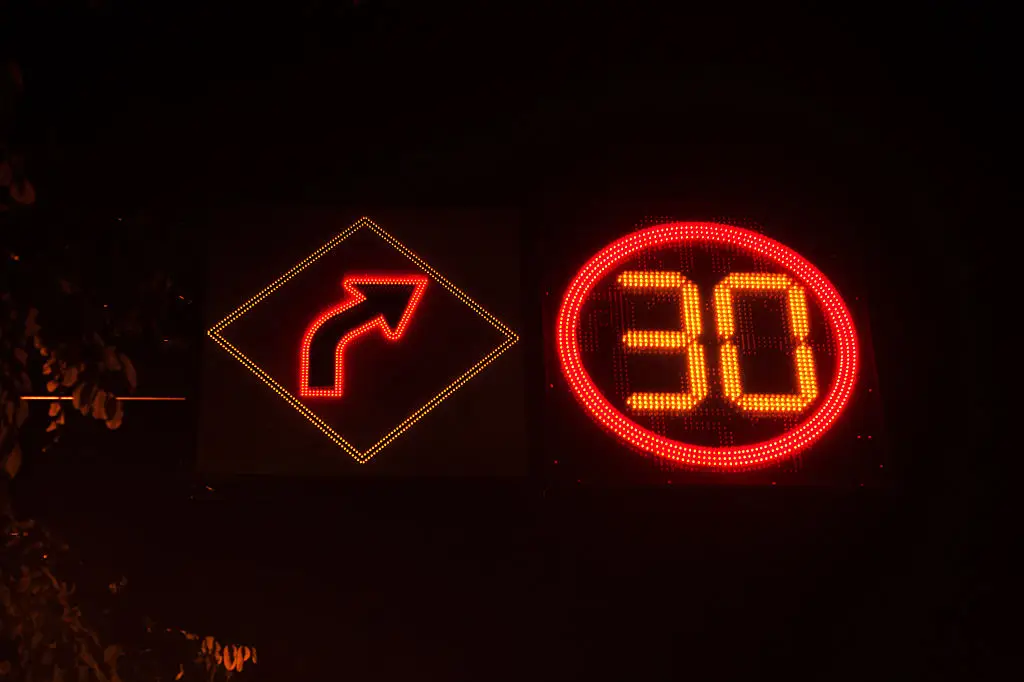
No longer confined to rare test sites or heavily tolled expressways, “Dynamic Speed Limit Display Zones” are quickly entering the mainstream. Easily spotted by LED numerals on a black or reflective silver background, these signs adapt posted limits in real-time based on weather, congestion, or emergency events. It’s a leap from the set-in-stone speed limit plaques of the past—think ultimate flexibility meeting modern traffic data. The DOT is expanding use on major highways prone to sudden weather swings or surges in rush-hour traffic. For drivers, this means your speed cap could change several times on a single stretch, with new minimums or warnings during fog, ice, or nearby incidents. Cameras and sensors feed information to these boards, and digital enforcement ensures compliance. If you’re used to static limits, pay attention: fines are issued based on the limit at the moment you pass. Early feedback from pilots in snow-prone states suggests major reductions in pile-ups and roadside collisions, so expect to see more before 2026.
5. Green Vehicle Priority Lane
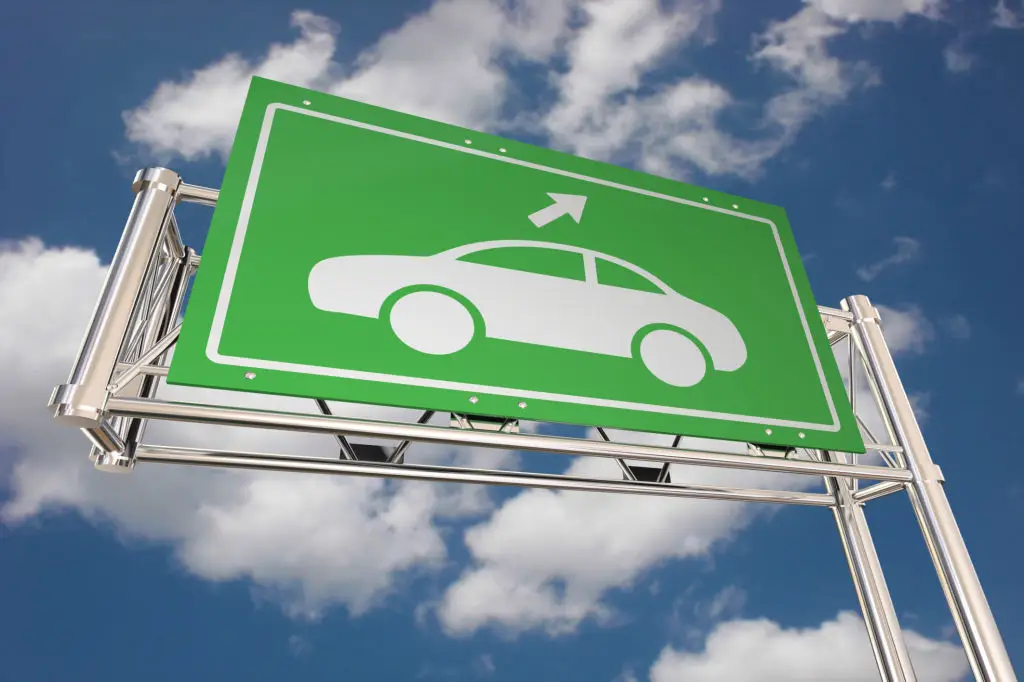
A new generation of lane designation is coming, marked by a bold icon: an electric or clean-fuel vehicle framed by a vibrant green lane overlay and often highlighted by plug or leaf imagery. The “Green Vehicle Priority Lane” sign is being devised for climate-conscious corridors and city centers, providing exclusive access or reduced congestion for drivers of electric, hybrid, or certain low-emissions vehicles. Much like the rollout of HOV lanes decades ago, these priority lanes reflect sweeping policy goals meant to incentivize cleaner driving choices and reduce overall emissions. Eligibility varies, but generally includes fully electric vehicles, some hybrids, and clean carpool options. Expect initial rollouts along urban interstates and in progressive provinces and states with bold zero-emission targets. To enter, vehicles must display an official sticker or plate; unauthorized vehicles are subject to hefty fines, often enforced by automated cameras. For all drivers, it’s a reminder that the future of commuting is quickly being reshaped not only by how fast we travel, but by what powers our journey.
Stay Ahead of the Curve: Ready for the Next Generation of Roads

Every few years, traffic signs across the continent offer a quiet but powerful glimpse into how our culture, technology, and priorities evolve. This latest wave—the five new signs introduced here—represents more than just regulatory fine print. It’s a visible invitation to participate in a future built on attentive, adaptable, and responsible driving. From tackling distraction and embracing connected-vehicle tech to protecting vulnerable road users, improving real-time safety, and accelerating low-emission travel, each sign is a testament to collective progress. Staying ahead isn’t just about knowing what these signs look like; it means understanding their impact, adapting our habits, and supporting the engineers and visionaries committed to keeping us safe. So, as you drive into 2026 and beyond, let curiosity lead the way: the more you recognize, the more prepared you’ll be, and the greater your role in a smarter, safer, and more sustainable road system for all.