
11 Things You Must Not Hide on Your Car
Every vehicle silently tells a story on the road—through reflective metal, coded numbers, vibrant stickers, and sharp, unmistakable lights, your car is broadcasting more than just personal style. These visible elements aren’t just for show. In North America, the rules that dictate what drivers can and can’t obscure on their vehicles are a fascinating intersection of engineering, safety, and law. These requirements have been shaped over decades of innovation, evolving traffic technologies, and the persistent quest to make roads safer for everyone. In a world where a simple frame or faded sticker can mean the difference between a smooth ride and a ticket, understanding what must remain plainly visible on any car becomes more than a matter of compliance—it’s about appreciating the marvel of automotive systems working in harmony. This isn’t just bureaucracy; it’s the language of the road, where every sticker, plate, and light is there for a reason. Let’s explore the 11 things you must never hide on your car, from the obvious license plate to the subtle, engineered reflectors that guard your bumper at night.
1. License Plate: The Universal ID

If your car’s license plate is even partially blocked, you’re inviting more than just a sideways glance from law enforcement. The license plate is a car's universal signature, linking your ride to state records, toll booths, and—through automated systems—to nearly every checkpoint you’ll encounter on four wheels. Laws in every US state require plates to be entirely visible; that means no clever frames, tinted covers, or lush dealer borders encroaching on digits, stickers, or state names. Legislators have expanded rules to target not just solid obstruction but even clear covers that distort or dull crucial details. Law enforcement isn’t relying on manual checks alone, either. Today's camera equipment reads plates with dazzling efficiency, so any attempt to hide behind a shadow, border, or creative plate mount just won’t work. Beyond legality, visible plates enable fast recovery in cases of theft, Amber Alerts, or hit-and-runs. Before heading out, take a beat: check for frames creeping over your tags, plastic covers yellowing in the sun, and debris that might obscure vital information. A little vigilance keeps your daily journey ticket-free and ensures your car's identity is always front and center.
2. Registration Stickers: Proof of Legitimacy
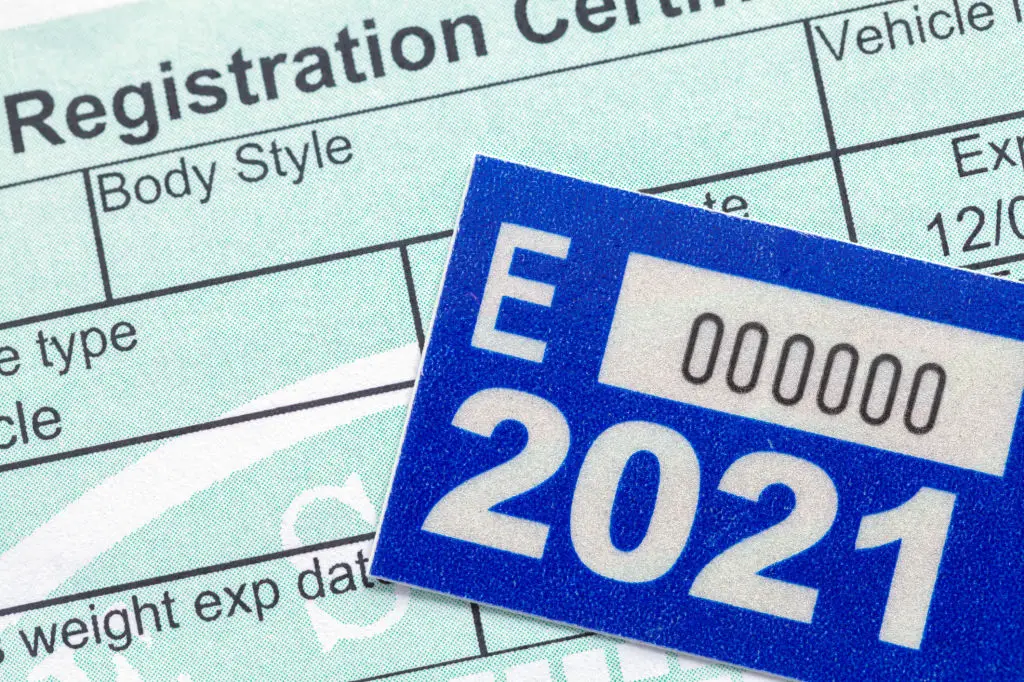
Registration stickers are more than aging bits of adhesive—they’re instant proof your car belongs on the road. In nearly every state, current registration tags must be visible on the license plate or windshield, depending on local practice. These stickers tell law enforcement and other officials that your vehicle’s paperwork is up-to-date and that you’ve cleared the annual bureaucratic hurdles. Worn edges or deliberately peeling corners could spell trouble at a routine stop. Outdated stickers are equally problematic, drawing fines and unnecessary stops. When weather and time take a toll (fading those vibrant numbers or making the sticker curl), your compliance isn’t as visible as it should be. Renew promptly, and when you stick that decal, make sure nothing overlaps. Tampering—even unintentionally—can raise eyebrows and trigger a deeper inspection. Each sticker is a visible handshake between the driver and the state, and keeping it legible and untampered signals that you take your place in the rolling community of roadgoers seriously.
3. Vehicle Identification Number (VIN): Your Car's DNA

The Vehicle Identification Number isn’t just a string of random digits stamped on your dashboard. Think of it as your car’s DNA—a unique identifier critical for insurance, recalls, theft recovery, and even selling your vehicle. The VIN plate, most often located at the base of the windshield or on the door pillar, must remain fully visible at all times. Cover it with loose paperwork, an oversized dashboard mat, or allow it to fade under the sun, and you’re risking a ticket—along with much more if you’re caught in a legal pickle. Defacing, scratching off, or even partially covering the VIN can raise suspicions of tampering, sometimes even attracting criminal charges. What’s more, standardized VIN placement became an industry staple precisely to assist law enforcement and consumers in verifying identity—across borders, manufacturers, and decades. So, if you want your car’s history to be irrefutable and your compliance unquestioned, let your VIN shine unobstructed.
4. State Inspection Stickers: Safety at a Glance
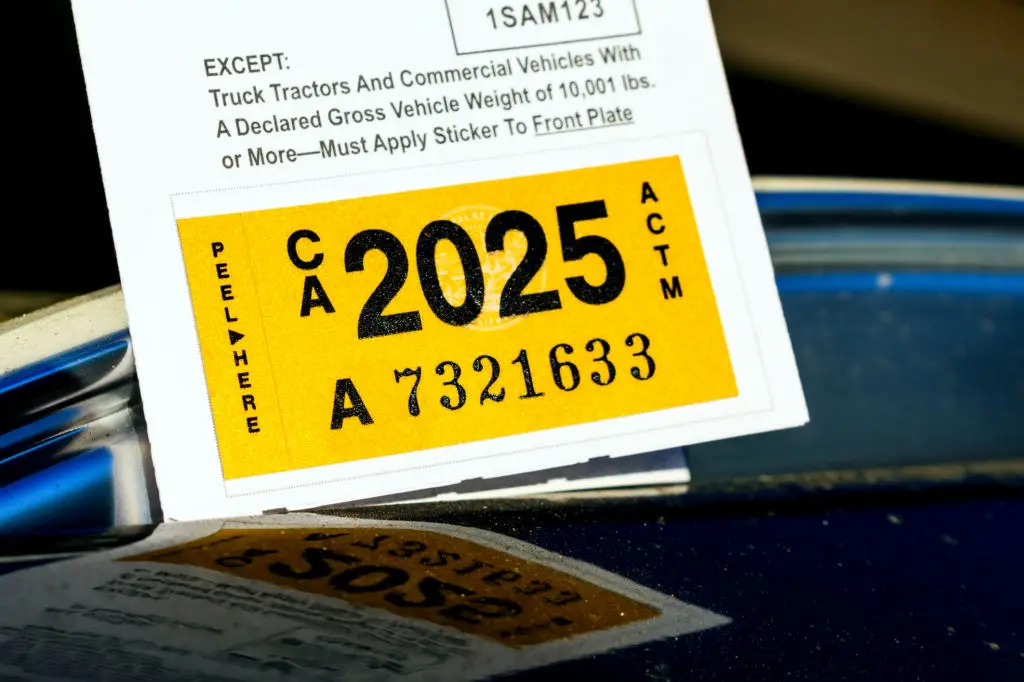
In states that require periodic inspections, that little sticker on your windshield is more than just a badge of mechanical honor—it’s proof your car meets essential safety and emissions standards. These inspection stickers must be placed in specific locations, usually the lower driver’s side corner of the windshield, and must remain easy to spot and read. Law enforcement officers often use them as a quick reference during stops or at checkpoints, and if a sticker is faded, peeling, or hidden behind another decal, you could find yourself facing fines or a refusal to renew your registration. From the engineering side, placement and material durability are carefully chosen to minimize driver distraction while staying resilient under harsh weather. If your sticker starts to fade, crack, or fall off, replace it as soon as possible. Keeping your inspection up to date, and its proof clearly displayed, is vital not only for legal compliance but for the communal trust that keeps everyone sharing the road safer.
5. Headlights and Taillights: Eyes on the Road

Headlights and taillights are more than just technological marvels—they're your vehicle's eyes on the road and its most important safety communicators. Laws across the US make it mandatory for all lighting to remain fully visible and functional, day and night. That means steering clear of lens covers that tint, fog up, or break, which could diminish brightness or make lights hard to spot from a distance. The engineering behind these lights relies on precise angles and clarity for optimal performance—so even seemingly minor obstructions or damage can have major implications. Police often cite drivers for dim, cracked, or deliberately darkened lenses. Accidents caused by poor lighting visibility aren’t just theoretical—they’re an avoidable, unfortunately common consequence. Always clean your lights, replace bulbs promptly, and repair cracks or damage before they become a liability. The world drives safer, and you protect not just your record, but every road user around you.
6. Reflectors: Built-In Safety Signals
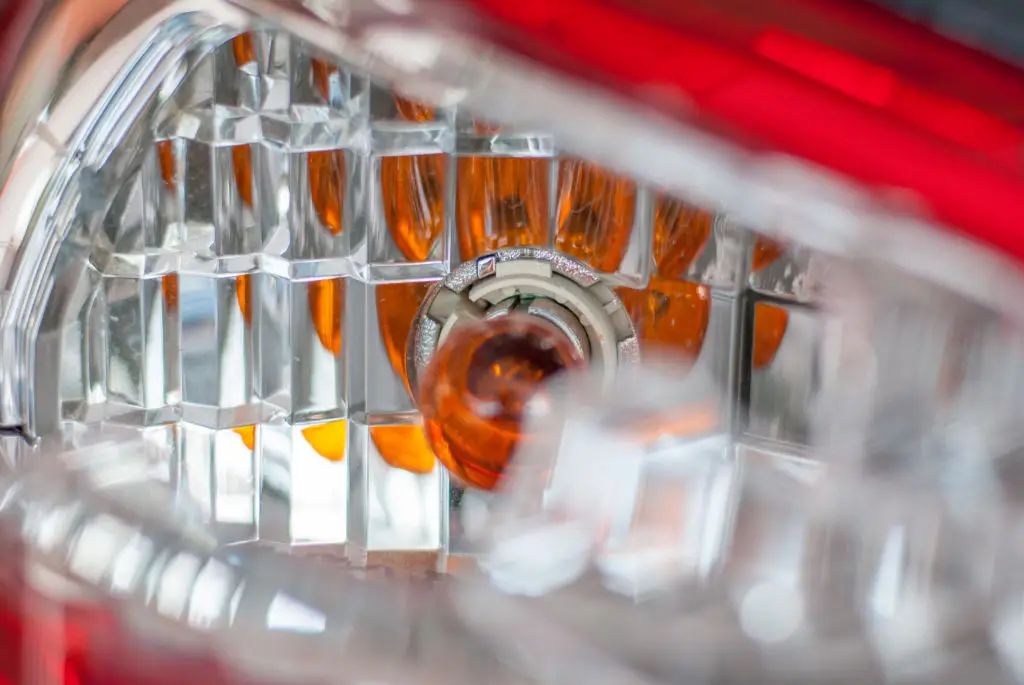
Reflectors are subtle, yet they work overtime every night—amplifying your vehicle’s presence to everyone else sharing the highway. The federal government mandates reflectors be placed on all cars and trucks, usually in bumpers and along sides, specifically to catch and bounce back headlights from other vehicles. If you cover them with aftermarket body kits, stickers, or forget they’re there after a modification, you’re risking both a citation and, more crucially, your nighttime safety. Engineers design reflectors to work in harmony with a car’s lines, making them all but invisible during the day but strikingly bright at night. Some drivers, aiming for a smoother or more customized look, accidentally obscure or remove these elements. During routine stops, or at state vehicle inspections, absent or blocked reflectors stick out as glaring red flags—pun intended—so keep them free and clear. They're tiny parts playing a mighty role in making the invisible, visible.
7. Side Mirrors: Your Field of Vision

Side mirrors are your car’s lifeline to the rest of the road, designed for unobstructed views and instant updates about surrounding traffic. Regulations make it clear: both mirrors must be intact, properly angled, and entirely unblocked. Hanging decorations, temporary covers, or even mud slung up from a summer storm can turn your mirrors from vital safety tools into accident invitations. From a design perspective, modern mirrors integrate cutting-edge tech—blind-spot indicators, heating elements, and more—yet their core function remains visual clarity. Police can and do ticket for mirrors compromised by damage or by the ambitious addition of aftermarket parts. Some drivers weather daily commutes with foggy or misaligned mirrors, unknowingly increasing the risk every time they change lanes or merge onto a busy street. Clean, functional mirrors aren’t just a legal mandate; they’re a mark of a driver who cares about their own safety, as well as every traveler in their vicinity.
8. Windshield: Your Unobstructed View

Your windshield is more than glass—it's a multi-layered, engineered window to safety, technology, and speed. Laws in every US state place strict limits on what can be placed in a driver’s field of view. That means no flashy decals, no parking passes blocking sightlines, and, in most states, no mounts for electronics like GPS or dash cams where they could distract from the traffic ahead. Designers craft windshield glass with not only sights in mind but the sensors and cameras modern safety systems rely upon for features like lane keeping and collision avoidance. Tickets for windshield obstruction are common, and they’re not always reserved for egregious violations—even small items hanging from mirrors can be grounds for a stop. There’s real engineering behind these laws: a clean, clear windshield helps your car’s safety technology help you. Keeping your field of vision unimpeded isn’t just the rule—it’s the recipe for stress-free, focused driving.
9. Temporary Tags and Dealer Plates: Special Visibility Rules

Temporary tags and dealer plates serve as transitional hallmarks—stopgaps while permanent documentation makes its way through the system. States require these temporary identifiers be displayed prominently (usually in the rear window or regular license spot) and secured so wind, rain, or the odd car wash won’t send them sailing into anonymity. These tags are prime targets for theft, alteration, and weather-related damage, making them a frequent compliance headache. Faded print, torn corners, or lackadaisical laminating puts you at risk for tickets and bigger headaches down the line. Manufacturers are even rolling out tamper-evident materials and smarter adhesives to combat fraud. Law enforcement’s priority is clear identification from a safe distance, meaning even temporary solutions must meet the same standards as their permanent peers. If your tag is damaged or disappears, don’t delay—get a replacement before more than just your paperwork goes missing.
10. Emergency Equipment and Warning Markings

Vehicles that transport hazardous materials, oversized loads, or emergency gear wear their mission on their skin—often literally. Federal and state regulations demand that such cars, trucks, or trailers display special placards, reflective strips, or warning markings that are not just visible, but instantly recognizable to first responders and law enforcement. Even private vehicles outfitted with emergency kits must keep any required indicators free from obstruction. Accidentally obscuring a hazardous load placard, for instance, can trigger fines and potentially far more serious consequences in an emergency. Engineers agonize over both the material and placement of these markings to ensure visibility under all lighting conditions. Aftermarket bumpers or non-factory modifications can inadvertently cover vital warnings, putting everyone at risk, not just the driver. For vehicles carrying extra responsibility, keeping official warnings clearly exposed is a public service—and a non-negotiable compliance standard.
11. Parking Permits and Handicap Placards: Personal Mobility Matters
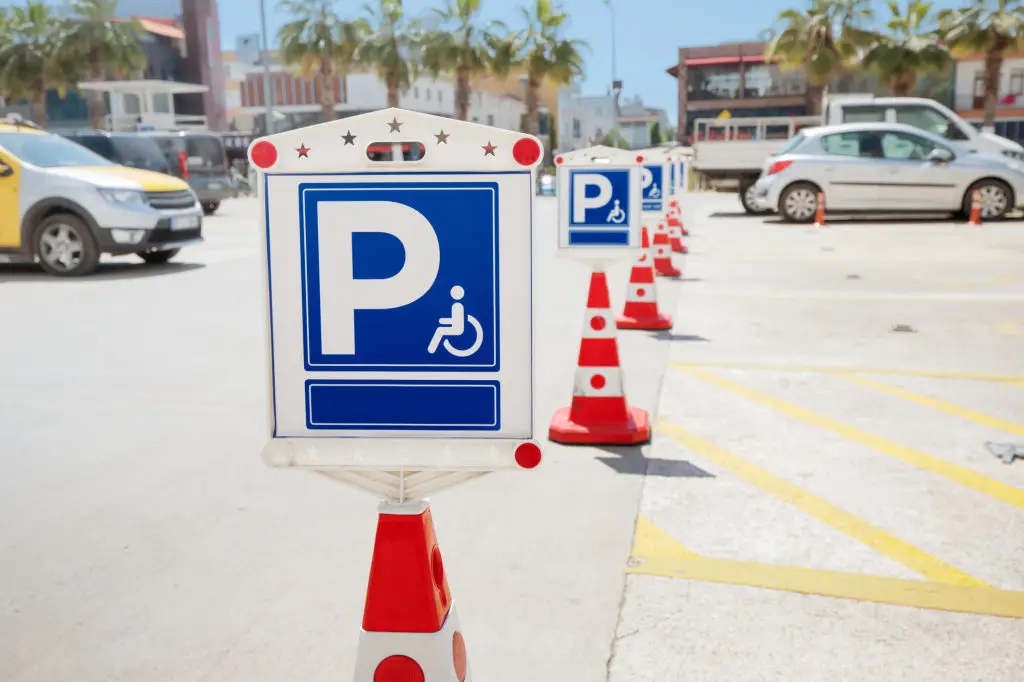
The right to park in designated spaces—whether at a bustling stadium or a quiet suburban lot—comes with visible proof in the form of permits and handicap placards. These must be hung or displayed as directed, never left facedown or hidden beneath sunshades, papers, or dashboard clutter. Permits are engineered to be bold and easy for inspectors or police to see from a distance, both for efficiency and as a deterrent against abuse. Failing to keep them visible can mean hefty fines or even towed vehicles, not to mention blocking access for those who genuinely need it. For those with special mobility needs, the visibility of a placard means more than legal compliance; it’s a passport to independence, helping level the playing field in the shared social space of parking lots. Always double check before leaving your car—mobility, legality, and fairness depend on it.
Keep Visibility Front and Center

On the highway, in city traffic, or parked among a thousand others, every visible detail on your car plays a role—protecting drivers, enabling smooth traffic flow, and telling stories of engineering foresight. Beyond avoiding tickets and surprise stops, keeping these 11 vital components visible is a testament to thoughtful, responsible driving and a nod to the decades of progress that make today’s roads safer than ever. Technology will continue to shape what it means for cars to “show their work”—from advanced digital registrations to smart reflectors talking to city lights, the future promises even more integration between design, safety, and compliance. But one thing won’t change: clarity saves lives, and visible compliance is both an individual responsibility and a shared promise among all road users. Next time you head out, take a moment to walk around your vehicle and check every crucial element is out in the open, exactly where law, engineering, and common sense agree it should be.