
7 Warning Lights You Should Pull Over for Immediately (and 5 That Can Wait)
Ever had that sudden jolt of anxiety when a strange symbol flickers to life on your dashboard? You’re not alone. Every journey, whether it’s a quick grocery run or a cross-country road trip, has a moment when the familiar world of driving intersects with the unknown language of warning lights. It’s a point where engineering, human intuition, and a bit of automotive drama collide. Decades of innovation have condensed your car’s most urgent cries for help into these glowing icons—some demanding immediate action, others gently tapping you on the shoulder as reminders. Yet, not all warning lights pack the same punch. Some signals mean business—the kind where delaying even a few moments could spell disaster for your engine or safety systems. Others, meanwhile, report non-urgent needs or everyday reminders. Understanding this hierarchy separates confident, informed drivers from those left stranded or facing preventable repairs. In North America, red lights almost always mean “stop now,” while yellow or orange usually stand for caution or maintenance. But knowing exactly which light you’re seeing, and how fast to respond, gives you a real-world superpower—combining the wisdom of engineers, decades of safety research, and the living drama of the open road. Let’s demystify 12 of the most important dashboard warning lights: seven that demand immediate action and five that let you plan your response. Armed with this knowledge, you’ll never sit in the driver’s seat second-guessing your instincts again.
1. Oil Pressure Warning Light (Immediate)
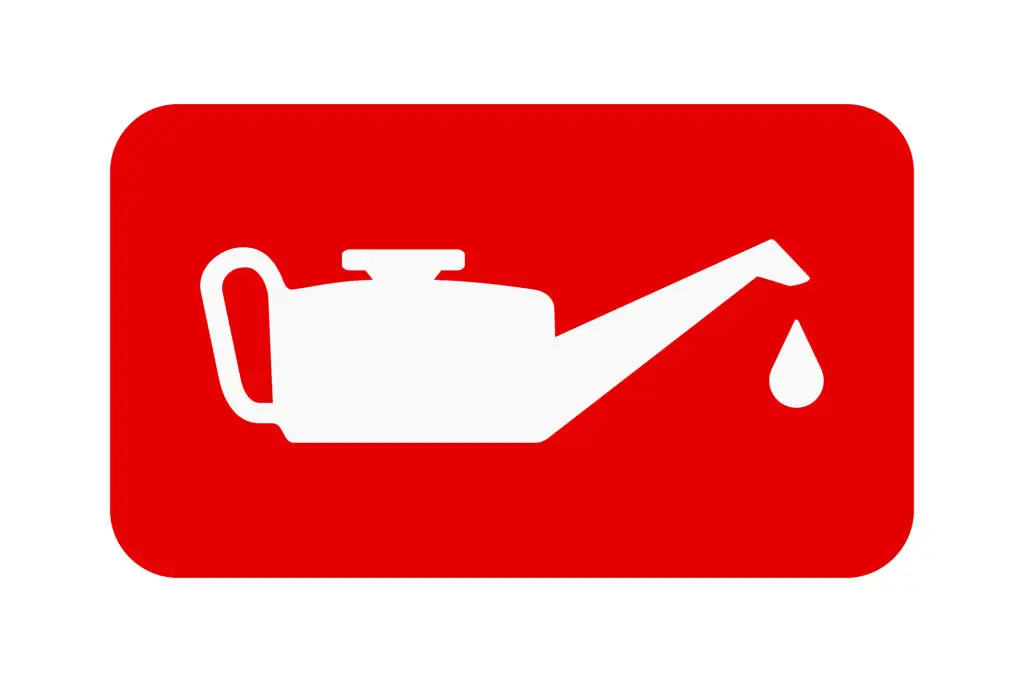
That tiny red oil can might be one of the most intimidating sights on your dashboard. When the oil pressure warning light comes on, it’s your engine’s way of yelling for help. This light tells you that pressure in your lubrication system has dropped, meaning parts are rubbing together with little to no protection. Imagine your engine’s oil as its lifeblood—if circulation stops, critical components grind together, heat soars, and metal begins to weld itself in destructive ways. Ignore this alert, and irreversible engine damage can happen in minutes. Unlike routine reminders, this signal means the vital film of oil between bearings and moving parts is now missing. Maybe it’s a leak, a failed pump, or dangerously low oil levels, but the consequences are always severe. Driving even a short distance could lead to catastrophic failure, the kind that turns a lively car into an expensive paperweight. If you spot this light—especially if paired with engine noise or the smell of burning—pull over and shut off your engine immediately. Wait for a tow and call a pro; your car’s internal health depends on it.
2. Engine Temperature Warning Light / Coolant Temperature (Immediate)
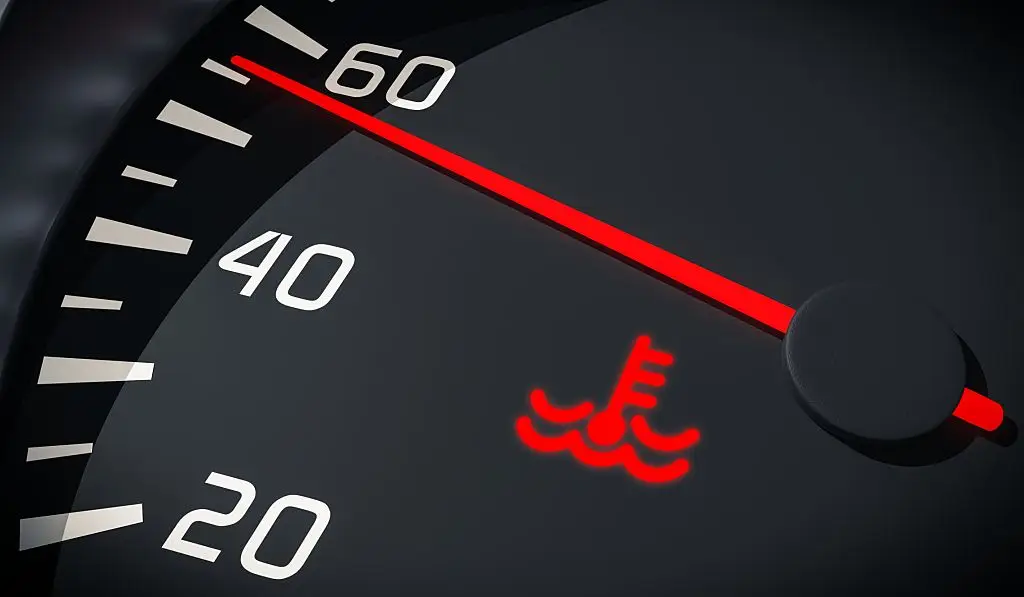
A thermometer floating in liquid, usually lit in red, signifies a moment where every second counts. The engine temperature warning light means your car’s cooling system can’t keep pace with rising heat. Overheating isn’t just uncomfortable—it’s a prelude to warped metal, blown head gaskets, or even complete engine seizure. This light could be triggered by a failing water pump, low coolant, a stuck thermostat, or a blocked radiator. The end result is always the same: the engine cooks itself, and a cascade of expensive repairs follows close behind. You might remember stories or roadside scenes of cars billowing steam, hoods popped, drivers looking lost—this light is often the culprit. When this warning flashes, don’t gamble for the next exit or hope for a cooler breeze. Safely stop the car, turn off the engine, and let things cool down. Continuing to drive—a few extra miles or minutes—can do more damage than an entire season of hard use.
3. Brake System Warning Light (Immediate)
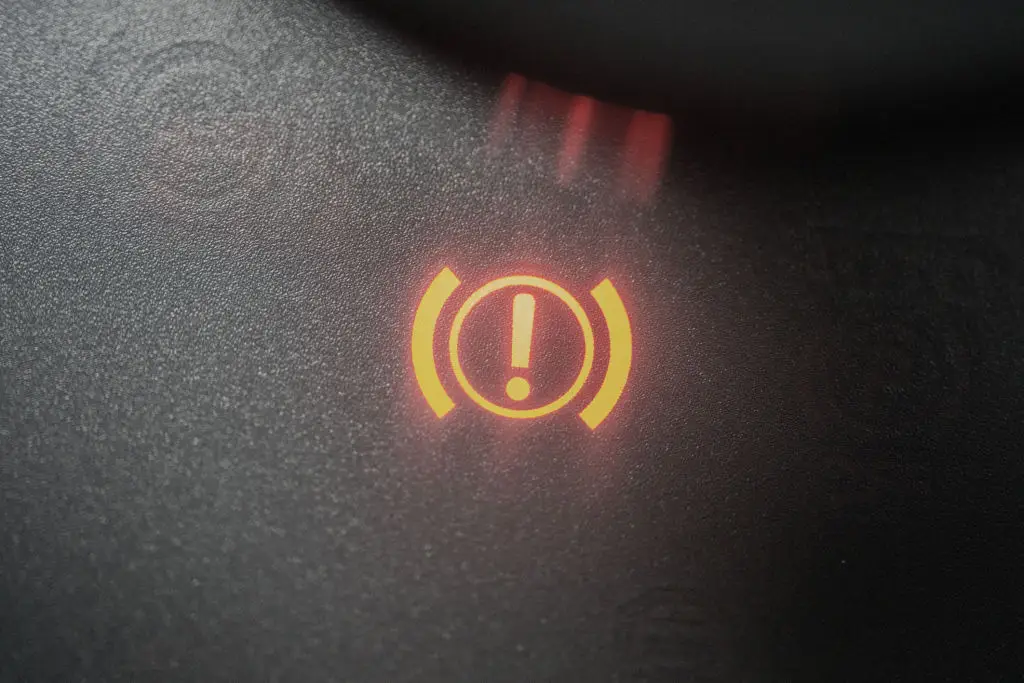
Brakes are your last line of defense, and the brake system warning light—typically a red circle with an exclamation or the word “BRAKE”—means that line is in danger. This signal may indicate dangerously low brake fluid, worn pads, or even a failure within the hydraulic system itself. The stakes aren’t just mechanical; your ability to stop the car might be disappearing with each press of the pedal. If you notice this warning, especially if combined with a spongy, stiff, or sinking pedal, don’t take chances. Pull over as soon as it’s safe to do so. Depending on the cause, your braking power may become dangerously unpredictable or vanish altogether. Picture hitting a patch of traffic or needing to react fast, only to find your brakes unresponsive—that’s the risk encoded behind this simple dashboard light. Let the professionals evaluate what’s wrong before continuing. Gambling with brakes isn’t a risk worth taking for anyone on the road.
4. Battery/Charging System Warning Light (Immediate)
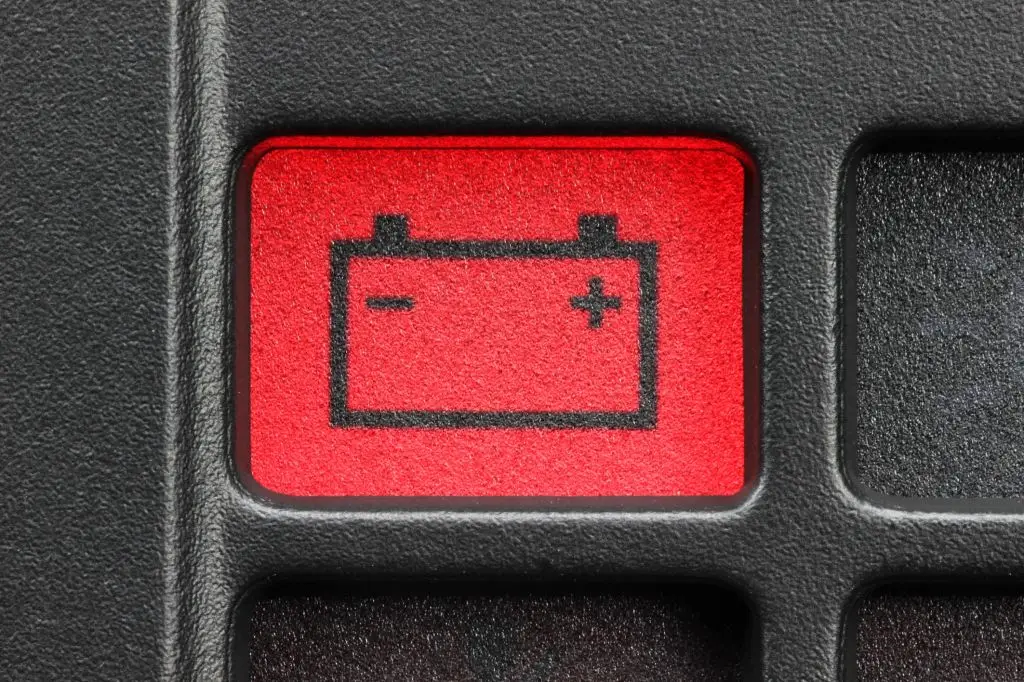
The red battery icon brings more drama to your drive than you’d imagine. When this warning glows, your car’s charging circuit or battery isn’t keeping pace. Maybe the alternator has failed, cables are loose, or the battery itself is on its last legs. While your car will often keep running for a while, the electrical system is now living on borrowed time. Sudden electrical failure could leave you stranded without headlights, wipers, or power steering—sometimes at awkward or dangerous moments like intersections or at night. If the light comes on while driving, head straight for a safe, well-lit place and switch off. The safest move is to get a proper diagnosis before risking a full breakdown. Think of your battery as the reserve nerve center for your car’s electronics; without it, modern vehicles lose more than just the ability to start. Don’t wait for everything to go dark—pull over and plan your next steps before it happens.
5. Check Engine Light (Flashing) (Immediate)
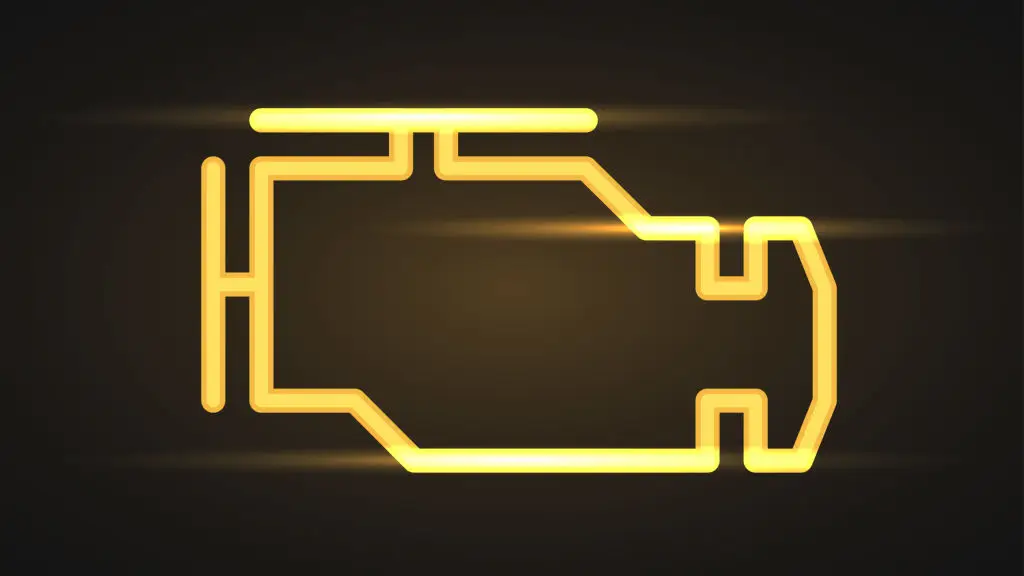
The check engine light is notorious for ambiguous warnings, but when it’s flashing—especially in red or yellow—it means business. A steady light might be routine, but a flashing check engine indicator signals a critical problem: often engine misfire, severe emissions failure, or unburned fuel threatening your catalytic converter. Ignore a flashing check engine light, and you gamble with the very core of your engine. Misfire damage can rack up thousands in repairs; unburned fuel can quickly destroy emission components that cost more than many used cars. Often, you’ll feel sputters, loss of power, or harsh vibrations alongside the relentless blink. Whenever you see that frantic flash, don’t push your luck—safely pull over, shut off the engine, and call for professional help. Quick action preserves the heart of your vehicle and keeps you from making a costly mistake.
6. Low Brake Fluid / Brake Hydraulic Problem (Immediate)
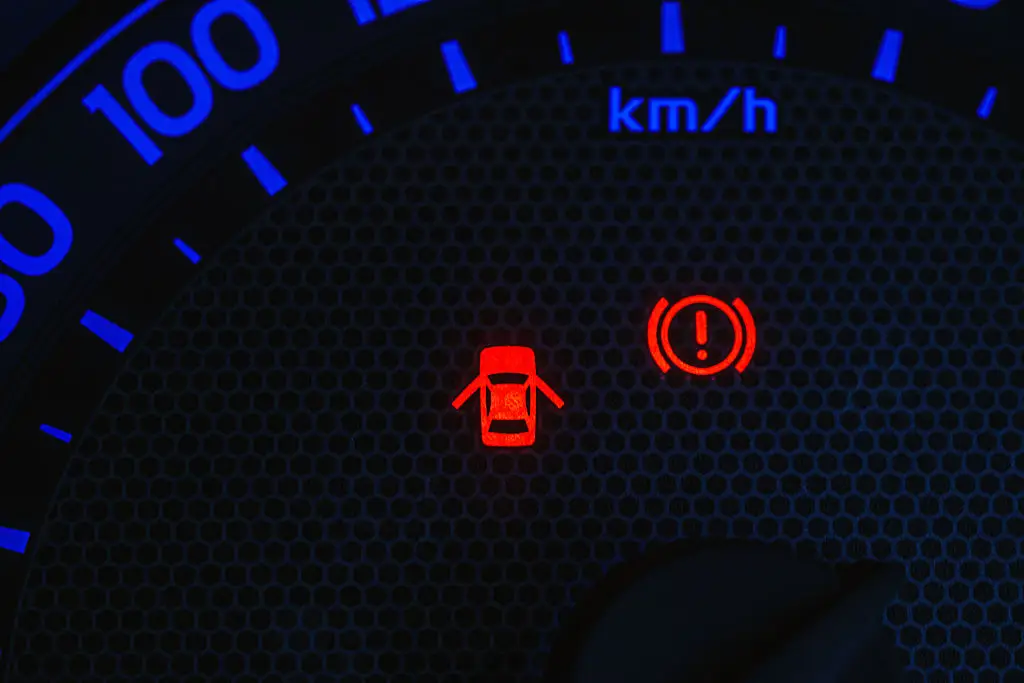
A red icon with an exclamation point—often paired with the word “BRAKE” or a fluid droplet—signals a critical issue in your brake hydraulics. When brake fluid drops below safe levels, your stopping distance can increase dramatically, or your brakes might fade away altogether. Low fluid could mean a leak, worn pads, or even internal damage, any of which raises your risk far beyond any tolerable margin. Modern cars use sophisticated sensors to catch these drops, drawing on generations of severity-tested technology. If the warning appears, your car’s ability to stop as engineered is no longer guaranteed. Treat this like a lifeline. Pull over wherever safe and check your fluid level if you can do so safely. But don’t drive further until the issue is inspected and addressed by qualified hands—your safety, and that of everyone on the road, rides on hydraulic reliability.
7. Airbag Warning Light (Immediate)
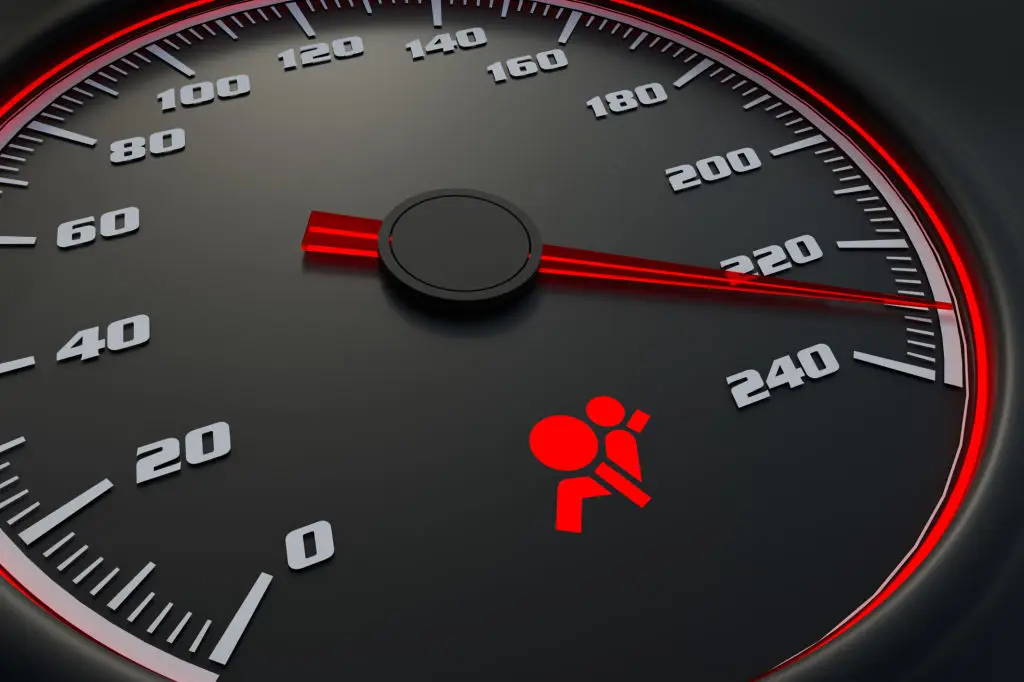
The red airbag icon—often a seated figure with an orb in front—signals that this essential safety system is off-line. If you’re unlucky enough to crash with the airbag light on, you may not have protection when it’s needed most. This warning indicates a detected fault in sensors, wiring, or the airbag itself. In modern vehicles, airbags are rigorously engineered and tested over millions of miles, but their benefit disappears the moment a fault stops them from deploying. Ignoring this warning can leave you and your passengers exposed, especially on high-speed journeys or busy highways. Sometimes, just one sensor failure or previous minor crash repair can disable the system entirely. If the airbag light stays on after startup, pull over when safe and do not drive further until a technician can clear the issue. Safety technology is only as good as its readiness to act when seconds matter.
8. Tire Pressure Monitoring System (TPMS) Warning (Can Wait)
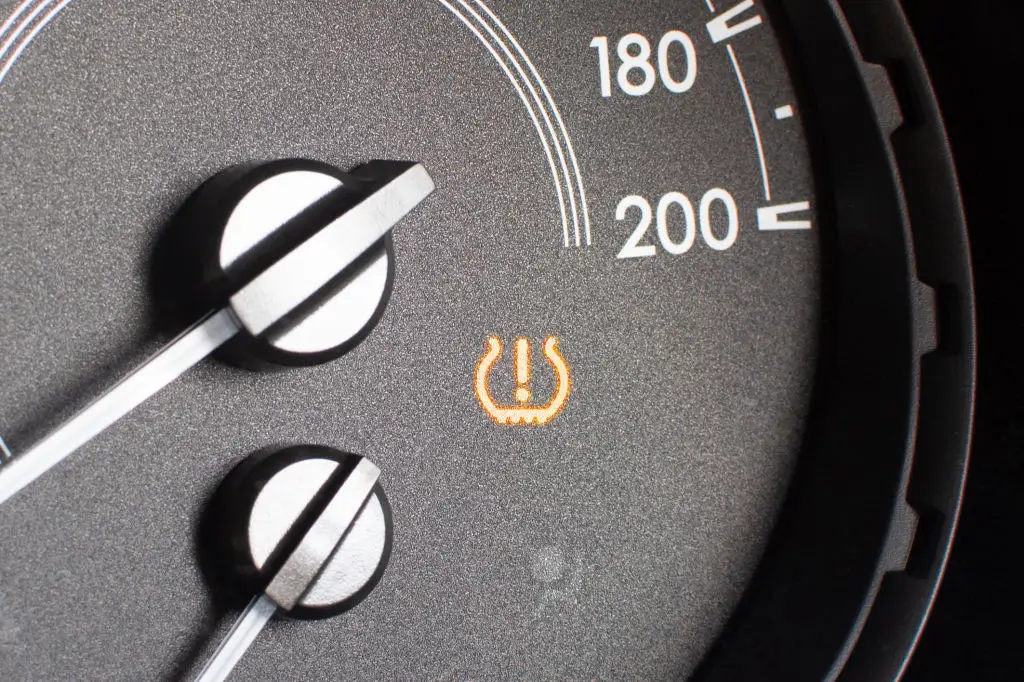
The TPMS warning—showing what looks like a flat tire with an exclamation point—signals at least one underinflated tire. While not grounds for a roadside stop, this light shouldn’t be brushed off. Underinflated tires reduce your grip on the road, spoil fuel efficiency, and—over time—invite a dangerous blowout. Many drivers first see this light on cold mornings, when air contracts and drops pressure. That doesn’t mean you can just ignore it. Pull off at the next gas station or rest stop to check all four tires. Keeping pressures even is an unsung part of safe, efficient driving. You won’t lose control the moment this light comes on, but make a point of addressing it soon. It’s a gentle reminder that every part of your car—down to the air in your tires—plays a role in safety and performance.
9. ABS (Anti-lock Brake System) Warning (Can Wait)
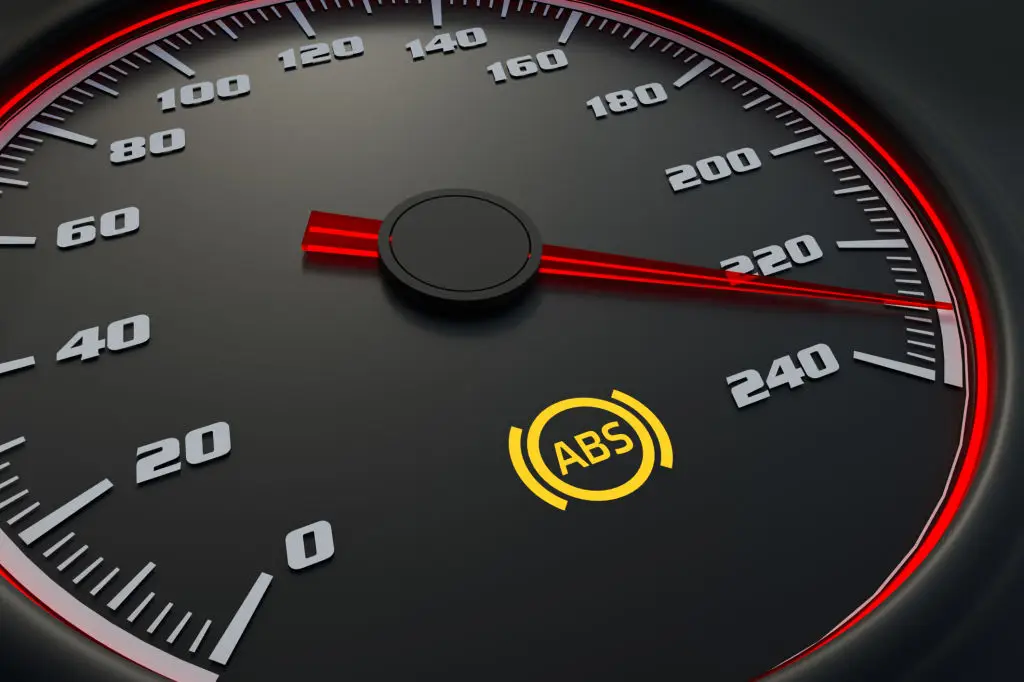
When the amber ABS symbol pops up, your car’s anti-lock braking system isn’t working the way it should. This doesn’t mean your brakes are gone—just that the advanced system that prevents wheel lock-up and skidding in a panic stop is temporarily offline. You can still drive, and your basic brakes will still respond, but your car is now relying on much older technology. If you need to slam on the brakes on a slick or wet road, you’ll need to modulate pressure yourself to avoid skidding—a job modern ABS usually does automatically. Treat the ABS light as a sign to drive with extra care, especially in bad conditions, and schedule a diagnostic as soon as possible. Cars have come a long way since the days of locked wheels and white-knuckle stops, but even today, a working ABS takes pressure off the human behind the wheel during tense moments.
10. Traction Control/Stability Control Warning (Can Wait)
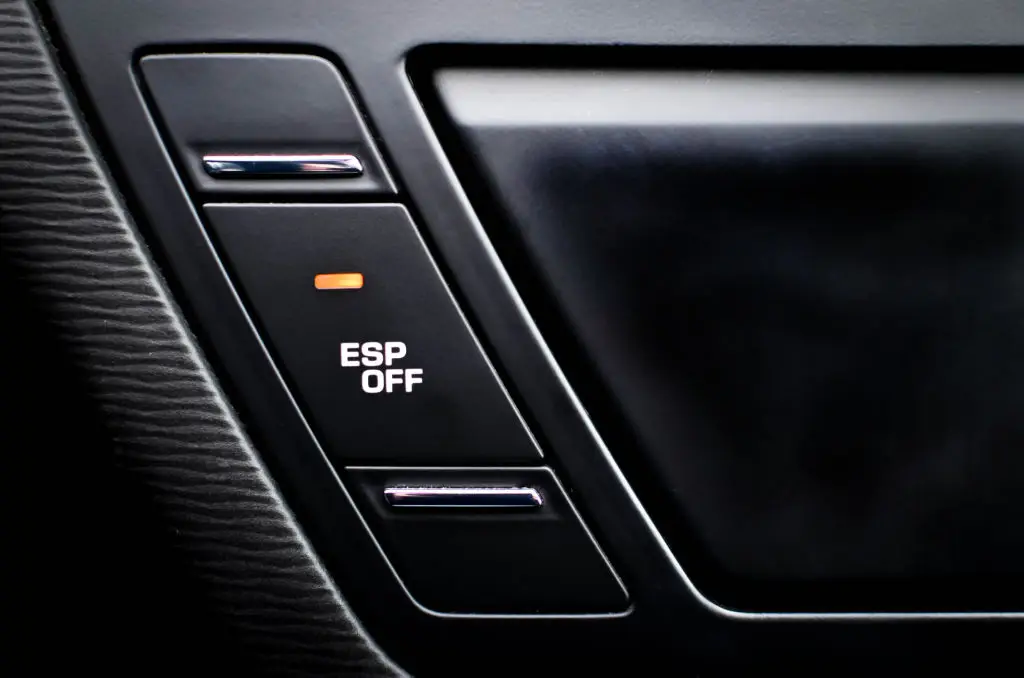
A dashboard icon of a car with wavy lines beneath it signals that your vehicle’s traction or electronic stability systems are either partially deactivated or not working as they should. These systems use sensors and computers to help maintain grip in slippery conditions, adjusting power and braking so you don’t have to rely solely on old-school reflexes. If this warning flashes briefly and then logs off, it may be doing its job briefly during wheel slip. But if it stays on, the extra safety net built into the vehicle is missing. Most people can continue driving—especially on dry roads—but heightened caution is required on wet, icy, or loose surfaces. Think of it as a partnership: modern cars don’t just move you; they protect you with layers of invisible support. When those systems bow out, the responsibility shifts back to the driver. Schedule a service soon and drive with your full attention until everything is back online.
11. Maintenance Reminder / Service Required Light (Can Wait)

Seeing a yellow wrench icon or “SERVICE” reminder on your dashboard? That’s your car’s gentle nudge to keep up with scheduled checks and repairs. These alerts are set by your vehicle’s onboard computer to coincide with service milestones—oil changes, filter swaps, tire rotations, or timing belt checks. Unlike emergency warnings, this reminder isn’t about urgent danger, but good long-term health. Skipping scheduled maintenance won’t suddenly leave you stranded, but over time, small issues can snowball into bigger repairs and reduced reliability. Modern vehicles are feats of endurance—millions of parts working together in harmony depend on timely care. Reflect on how investing an afternoon at the service center now can spare you a roadside breakdown later. Taking routine reminders seriously transforms you from a reactive driver into a proactive steward of your own automotive adventure.
12. Washer Fluid Low Warning (Can Wait)
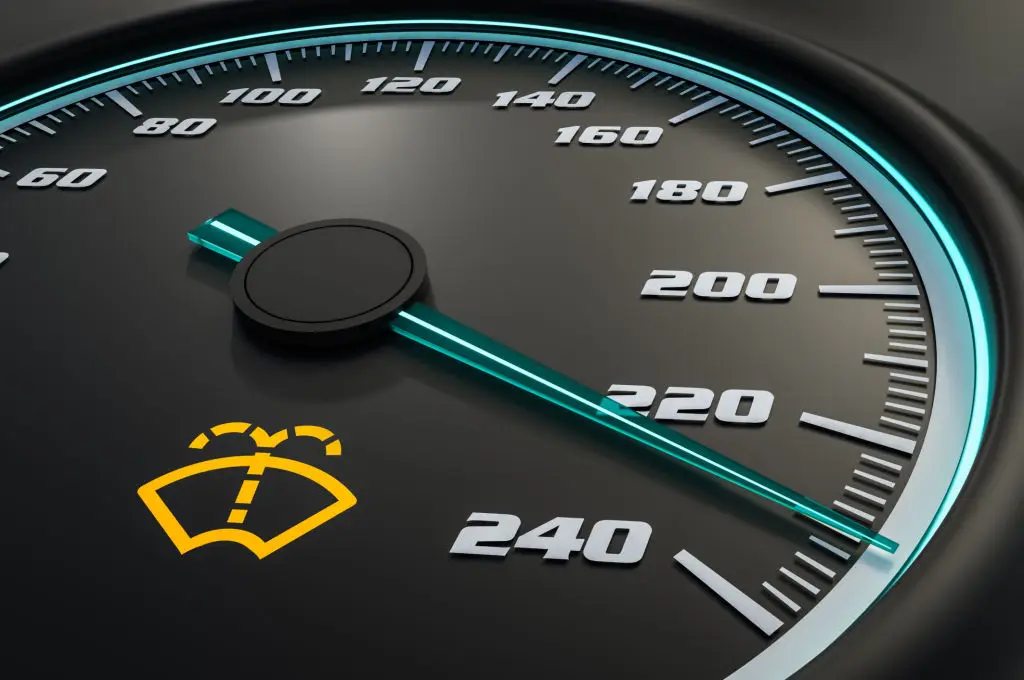
The washer fluid icon, looking like a windshield with arcing liquid drops, may be the least urgent light you’ll ever see. Still, it deserves respect—run out of washer fluid during a muddy rain or bug-heavy summer night, and you’ll lose visibility fast. This warning signals a low reservoir, not mechanical failure, so you’re safe to finish your trip. But top it off before your next long drive; clear vision is a key safety factor no matter what season it is. Some drivers might only notice this when their windshield wipers suddenly smear, while others rely on it as a pre-trip checklist item. Washer systems in modern vehicles are smart enough to remind you before you’re truly in trouble. Consider it an easy maintenance win and a small nod to the teams that designed every dashboard for both practicality and peace of mind.
Decoding Dashboard Warnings: The True Power of Knowing

Dashboard warning lights are more than simple icons—they’re the concentrated knowledge of generations of engineers and untold miles of motoring experience. Every signal, from the urgent flash of red to the calm reminder in amber, has been shaped by a long tradition of innovation, testing, and real-world stories. By learning which warnings call for immediate action and which allow for a scheduled response, you transform uncertainty into confidence. The best drivers aren’t just good at the wheel—they respect the partnership between human perception and machine intelligence. Knowing how to react when your dashboard speaks up is more than technical know-how; it’s about keeping yourself, your passengers, and everyone around you safe. When you recognize, interpret, and trust your car’s most advanced safety features, you honor the work of those who build, maintain, and improve these machines every day. So next time a warning light flickers alive, remember: it’s not just a symbol; it’s the story of automotive progress inviting you to play your part as a vigilant, informed driver. Knowledge is your co-pilot—and with it, the road ahead gets a little less mysterious, a lot safer, and far more enjoyable.