
How to Quickly Spot a Water-Damaged Used Car in 5 Steps
The used car market in North America is bustling, full of opportunity, and, at times, quietly fraught with hidden peril. Each year, thousands of once-submerged vehicles wind up on dealership lots and private listings—sometimes expertly cleaned, sometimes carelessly left with telltale signs of their watery past. Modern automotive engineering has made cars more resilient in many ways, but a brush with floodwaters can introduce small, insidious faults that grow into big headaches for unsuspecting buyers. Flood damage doesn’t always broadcast itself with buckled metal or pools of standing water. Sometimes, the clues are faint: a musky scent, a crust of silt in a forgotten corner, or a temperamental switch in the dashboard. Navigating these risks isn’t just savvy shopping; it’s a celebration of the detective work and technical curiosity at the heart of car culture. That’s why knowing how to quickly spot a water-damaged used car isn’t just a survival tactic—it’s step one in owning your driving destiny. In this guide, we’ll break the process into five essential, expert-backed steps to put you back in the driver’s seat, confident and ready. Harness the tools of the enthusiast, the engineer, and the everyday driver, and learn to decode what the car in front of you is really saying.
1. Use Your Senses: Smelling and Spotting Water Damage
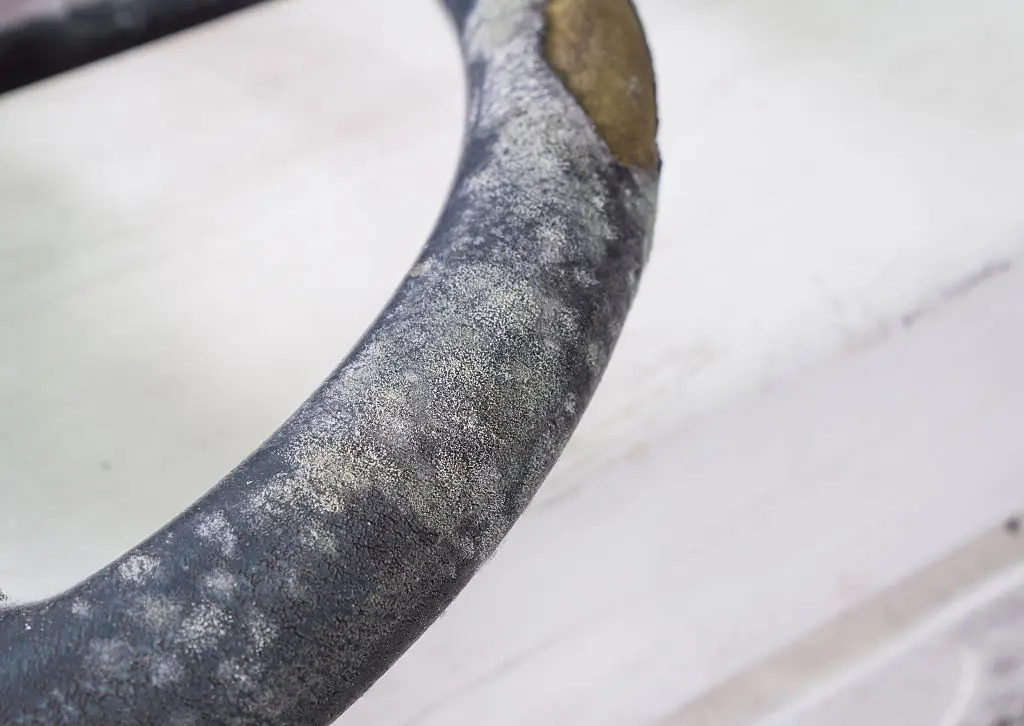
Sometimes, the fastest way to outsmart a flood-damaged car is to trust your nose and your instincts. Open the doors, lean in, and let the first scents wash over you. If what greets you is a sharp mildew note, a hint of mustiness, or an overpowered air freshener, warning bells should ring. As Consumer Reports automotive experts remind us, “If a car smells like mold or mildew, it may have had water trapped beneath the carpet or inside the dash.” Mold and mildew simply don't surrender to routine cleaning. Instead, they linger, their odors stubbornly etched into every fiber they touched. Don't overlook the power of sight either—scan the footwells, look for water lines along the door jambs, and spot fine silt in seams. And don’t be fooled by a “flood freshening” detail job; air fresheners and perfumes can only mask, never entirely erase, flood history. If you notice dampness under the carpets or witness mismatched carpeting, take it as an invitation for a closer look. These early impressions might not deliver a verdict on their own, but in the right context, they're the opening notes of a much bigger story—one where a little attention saves a lot of regret.
2. Inspect the Interior: Fabrics, Carpets, and Hidden Corners
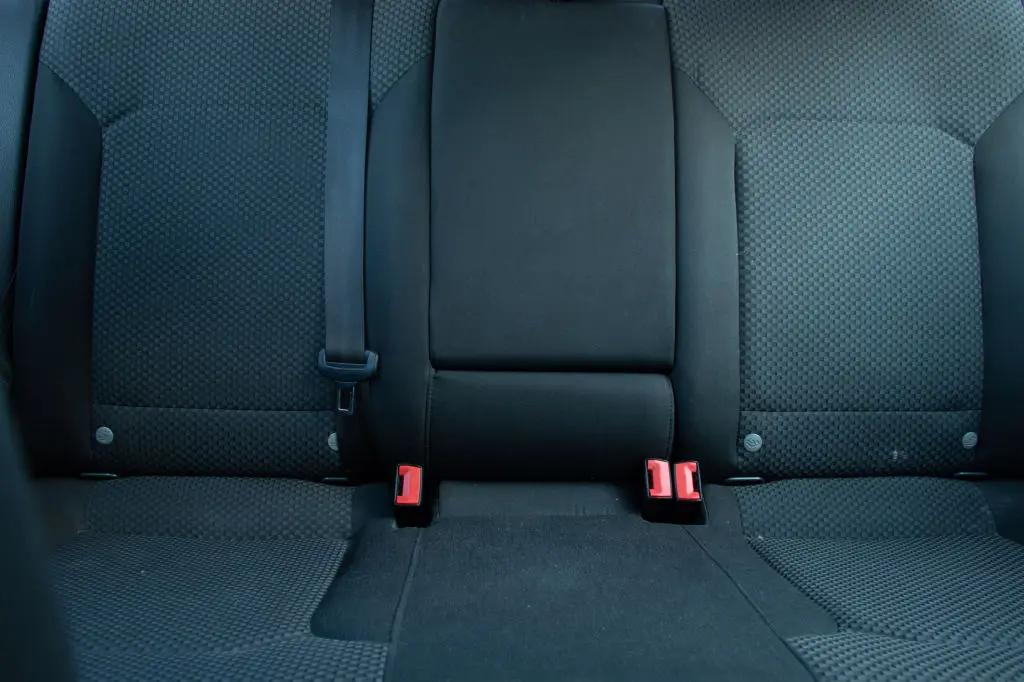
Step deeper into the inspection by focusing on the spaces water exploits and detailers sometimes miss. Start with the seats and flooring—run your fingers across the upholstery searching for water spots, suspicious staining, or unusual newness that doesn’t match the car’s age. The experts at AAA Mid-Atlantic suggest: “Check upholstery and door panels for water stains, mud, rusted screws, and new or mismatched fabric and carpeting.” Don’t skip the trunk or cargo area; peel back liners and scrutinize seams for trapped sand, mildew, or odd debris. For a particularly telling clue, grab the seatbelt webbing and pull it out as far as possible. If you spot faint watermarks, dirt, or even a hard-to-explain fade halfway down, you could be looking at the aftermath of submersion—a detail so sly that even professional cleaners might overlook it. Lift the carpets, if you can, and be alert to warped flooring or crusted residue. That blend of touch-test, visual examination, and a little persistence can expose damage that a thousand surface-level cleanings can’t disguise. Remember: in the world of flood detective work, it’s almost always the hidden corners that tell the largest truths.
3. Check Electrical and Mechanical Systems

Even as exteriors shine and interiors pass inspection, water damage often lurks where human hands can’t easily reach: in wiring, electronics, and sensors. Ben Perricone, an AAA-approved Auto Repair territory manager, cautions, “Modern vehicles have much more technology on board than ever before. There are wiring systems, sensors, and electronic modules running throughout our vehicles—including behind the bumpers and fenders.” That complexity means even low-level water intrusion can send electrical gremlins racing through a car’s nervous system. As you inspect, make it a point to power everything up: test each window switch, seat adjuster, headlight, taillight, radio, and the entire suite of dashboard electronics. Fog inside headlights or taillights is especially suspect and can suggest moisture has intruded and stayed. Pay close attention if any controls falter, lights flicker, or displays glitch—these minor annoyances sometimes signal deep, expensive problems brewing beneath the surface. Problems with electronics are not always immediate and can present months after purchase, catching even the most optimistic driver off guard. That’s why every inspection should blend technical curiosity with a practical, methodical touch.
4. Seek Out Rust, Corrosion, and Spare Tire Well Clues
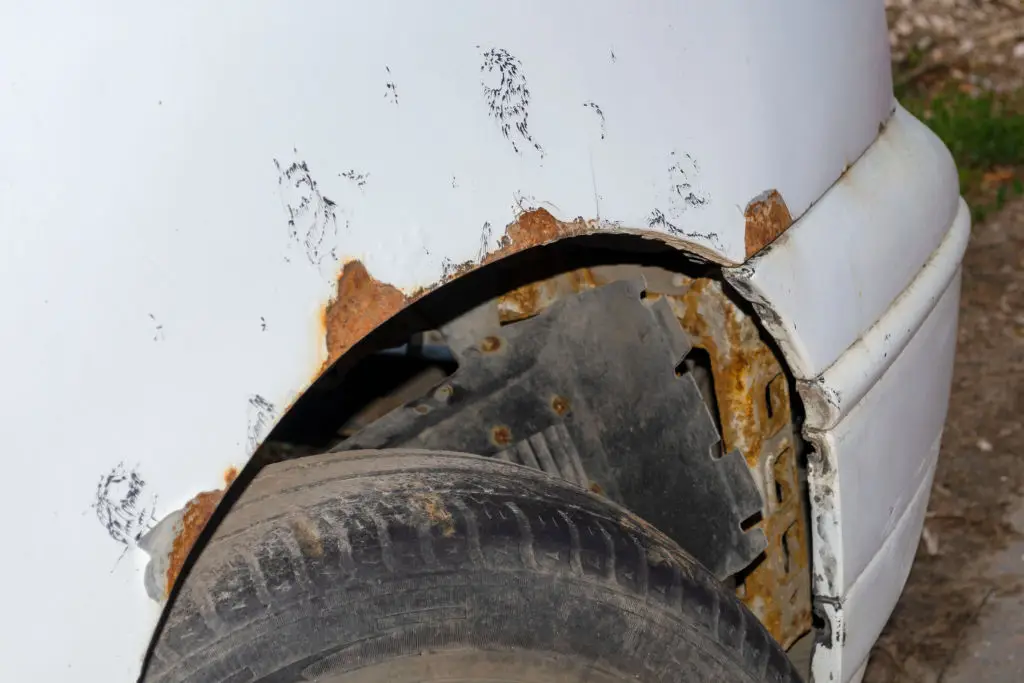
Floods don’t just leave water behind—they leave trails of corrosion in places winter road salt rarely reaches. Lift the hood, open doors, and peer under seats to seek out rust where only significant water exposure could leave a mark. Check for corrosion inside bolt holes, around hinges, even on pedal arms, and the metal beneath floor mats. Keith Brown, owner of K&M Automotive, urges buyers not to overlook the spare tire well in the trunk—a spot rarely scrubbed, yet one that fills with water and silt in a flood. Rust, caked-on mud, or debris tucked away here are giant red flags that a car has faced more than just rainy commutes. Unlike everyday patina, flood rust appears as abrupt, pitted, or uneven development in surprising locations—an engineer’s clue that something’s very off. Take the time to run your flashlight along seams and examine the tools and jack provided with the spare; if they’re rusty or oddly stained, suspect deeper problems. The diligent search for corrosion isn’t just technical nitpicking—it’s protecting your investment from the sort of damage even cutting-edge engineering can’t reverse.
5. Verify Documentation and Consult a Pro

However sharp your own eyes and senses may be, some forms of trouble hide deep within a car’s official records. Before shaking hands on a deal, run a free VINCheck with the National Insurance Crime Bureau to check for any “salvage” or “flood” branding in the vehicle’s history. Step further by requesting a full CARFAX report on the car; this will spotlight any major accidents, ownership changes, or suspicious gaps in service and registration. It’s also wise to learn about your state’s laws regarding flood branding, since regulations vary—sometimes, flood-damaged titles slip across state lines unnoticed. Ready to put your mind truly at ease? Follow the advice of AAA and have any car you’re considering evaluated by a trusted mechanic. The cost—a fraction of what flood repairs might become—buys you peace of mind and could save you from mistakes that only professionals are equipped to catch. As consumer investigators at WCPO note, an independent pre-purchase inspection runs $70–$140, a small sum to keep you clear of heartbreak and repair bills that can dwarf the car’s value. In the end, a car’s story lives as much in the records and expert eyes as it does in the hardware.
Stay Smart, Stay Confident: Every Buyer’s Edge

Spotting a water-damaged used car isn’t just a matter of luck, hunches, or hoping for honesty on the seller’s part. It’s about equipping yourself with the mindset of a seasoned automotive enthusiast—part detective, part engineer, and always a relentless advocate for your own mobility. By meticulously working through these five steps, you join the ranks of drivers who celebrate not just horsepower and design, but the cleverness that keeps every journey safe. Remember that even as the used car market evolves, the fundamentals of hands-on inspection, technical curiosity, and partnership with trusted professionals remain timeless. The cars we choose become part of our stories, and every step we take to verify and protect those investments is a nod to the rich history of automotive passion and progress. As flood-damaged vehicles continue to find their way back onto lots and into ads, it’s your vigilance and knowledge that make all the difference. Stay aware, keep questioning, and know that every careful inspection honors the true spirit of the open road—one that belongs to drivers who never stop learning and never settle for less than confidence behind the wheel.